Iranupdated 56m ago3 min read
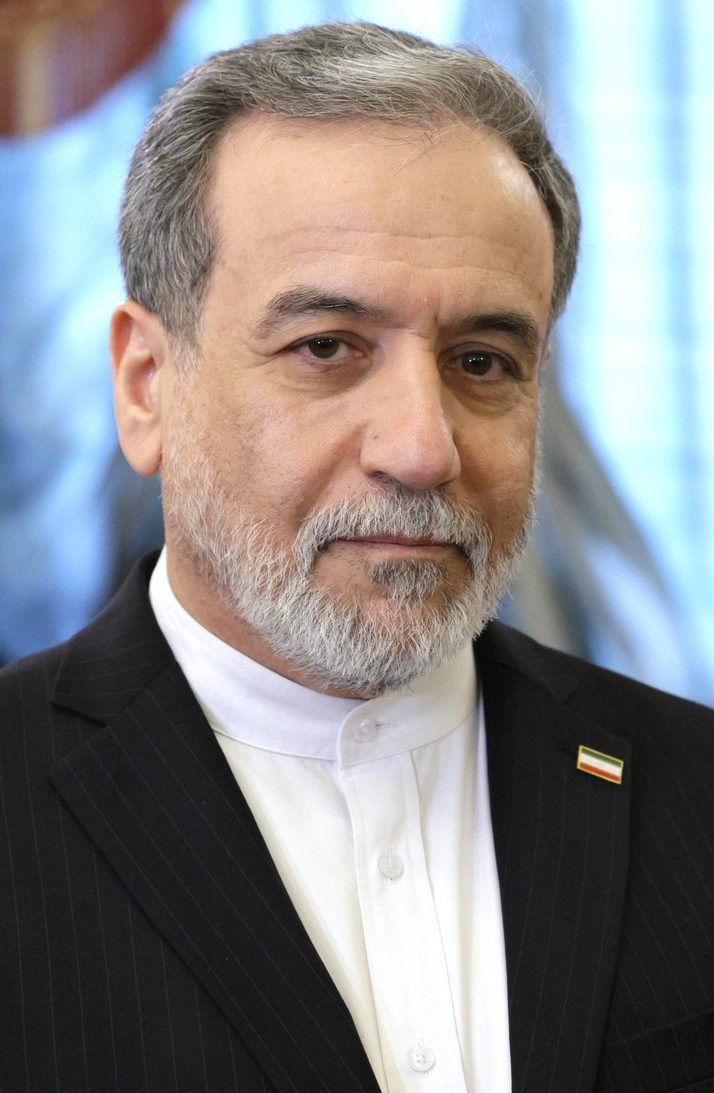
Archive photo · 27 April 2026Iran Warns U.S. Ships Never Enter Persian Gulf as Araghchi Rejects War Changes
2 Asian1 Other1 West Asian2 Other source typesPhoto: Kremlin.ru, CC BY 4.0 · Cropped for layout
This article is an automated aggregation of coverage from news outlets. Our editorials offer in-depth analysis curated by the NewsCord team.
Iran warns U.S. ships not to enter the Persian Gulf amid rising tensions. Araghchi says Iran's positions won't change even if war resumes with US.
Middle East Eye was read line by line by the Watchdog: 1.2. See the score →
Threats and diplomacy
Iran’s Foreign Minister Abbas Araghchi said Sunday that a potential resumption of war with Israel and the U.S. would not change his country’s positions after President Trump said Washington “may do another little Epic Fury.”
Iran warned on Saturday that U.S. ships would never be allowed in the Persian Gulf “under any circumstances,” as tensions between Tehran and Washington continued to mount.
Iran’s deputy secretary of Iran’s Supreme National Security Council Ali Bagheri Kani said Saudi Defence Minister Khalid bin Salman, Pakistani army chief General Asim Munir and Turkish intelligence chief Ibrahim Kalin would participate in talks with Iranian officials in Tehran on Monday.
Kani said the meeting would also include Iran’s security chief, Mohsen Rezaei, and Iranian and Saudi authorities said the talks would focus on regional security.
U.S. Director of National Intelligence Jay Clayton said Iran has “substantially increased efforts to target U.S. personnel” abroad, with plots to kill Americans reaching “advanced stages” in the Middle East and other countries.
Army and parliament responses
Iran’s Army Deputy Chief for Executive Affairs Brigadier General Alireza Sheikh said the Iranian nation is the father and mother of the bombs, stressing that people of the country will respond firmly to the enemy’s excessive demands.
Sheikh said, “What matters is the readiness of the Army and other Armed Forces to respond to threats,” and he added that the Army Force stands ready, with its finger on the trigger, to respond to any threat.
Iran’s parliament speaker Mohammad Baqer Qalibaf told parliament that Iran would not back down if attacked, saying, “Americans think that with a few levers of media pressure or military threats, they can make this great nation surrender to them.”
Qalibaf said Iran was prepared to respond forcefully to any violation of its territory and insisted that threats of a wider war would not compel the country to abandon its interests.
Iran’s Foreign Minister Abbas Araghchi said the war with the U.S. and Israel means the security situation in the region has completely changed, and he said, “The current war has changed everything. We must acknowledge that new realities have emerged.”
Strait of Hormuz stakes
Iran warned that any new act of militarism by the United States would lead to an “unimaginable” response, with Qalibaf saying Iran would defend what it considers the country’s territorial integrity. Qalibaf said, “Until the Americans change their behaviour, stop being coercive and greedy, and compensate their violated obligations in an objective, concrete and real way on the ground,” no claim for the Islamic Republic of Iran would have credibility. Iran’s army said its air defence systems shot down a US LUCAS drone over Bandar Abbas, a port city in southern Iran near the Strait of Hormuz.
Araghchi said Tehran would welcome security arrangements developed by countries in the region rather than imposed by outside powers, and he said, “The shipping routes through the Strait of Hormuz will no longer be the same as before.” The Business Times framed the risk as a phase where officials fear Iran is in the “advanced stages” of planning attacks against United States officials, while it said Iran appears convinced Israel and the United States are preparing their third major attack in 16 months.