Iranupdated 54m ago3 min read
Archive photo · 24 April 2015Paydari Front Urges Iran To Withdraw From NPT As U.S. War Threat Looms
“asked the Iranian parliament and the Supreme National Security Council to initiate a withdrawal from the Nuclear Non-Proliferation Treaty”
“Negotiations over the war have appeared to stall for weeks”
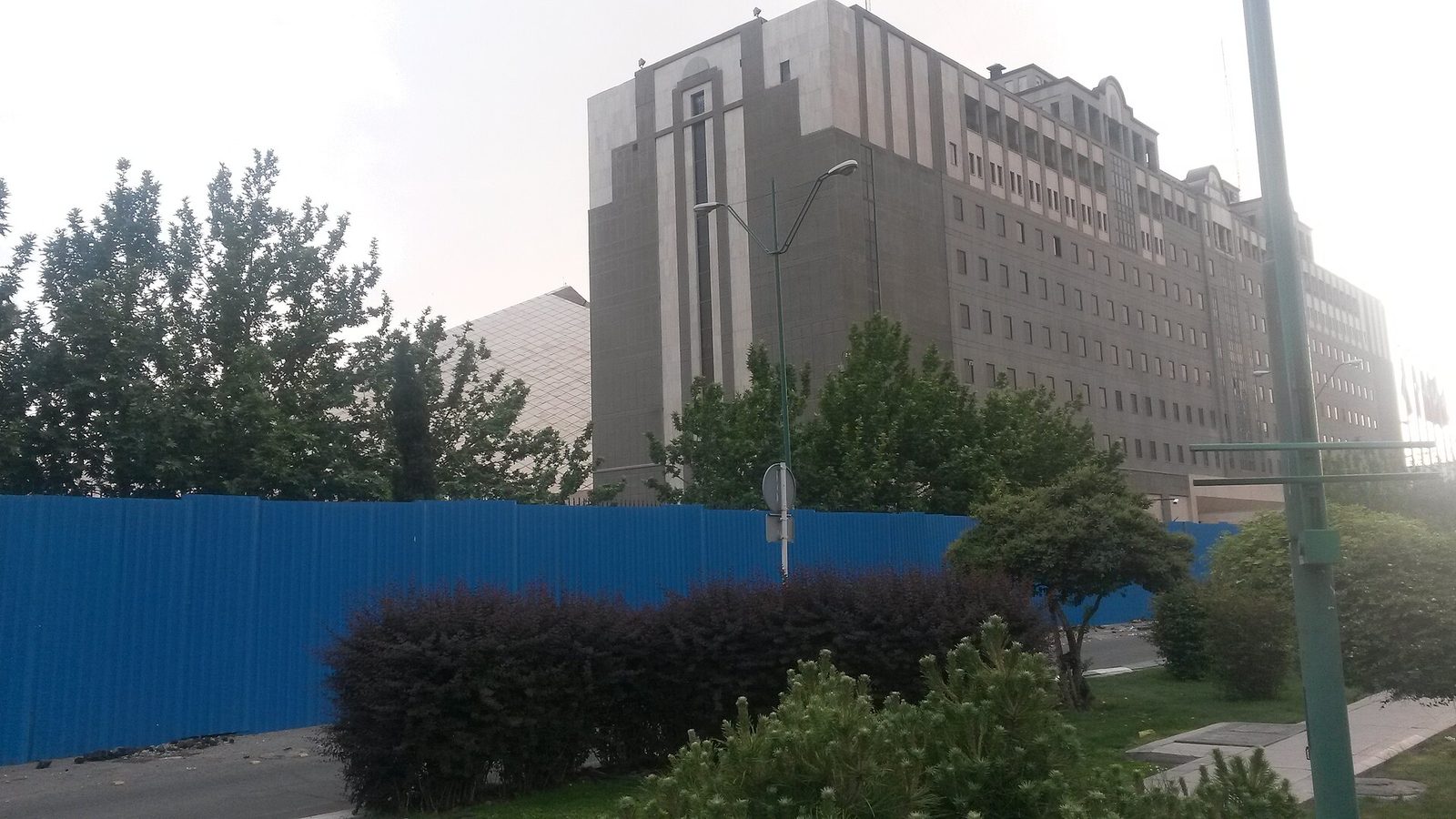
Photo: مانفی, CC BY-SA 4.0 · Cropped for layout
This article is an automated aggregation of coverage from news outlets. Our editorials offer in-depth analysis curated by the NewsCord team.
Paydari Front urges parliament and SNSC to withdraw Iran from the NPT. Iran says it has never left negotiations and remains open to diplomacy.
Al Jazeera was read line by line by the Watchdog: 4.4. See the score →
Hardliners push nuclear exit
Iran’s anti-negotiation hardliners, the Front of Islamic Revolution Stability also known as the Paydari Front, asked the Iranian parliament and the Supreme National Security Council to initiate a withdrawal from the Nuclear Non-Proliferation Treaty as a threat of a new war with the United States looms. Amirhossein Sabeti, a member of parliament aligned with the Paydari Front, said in a statement that negotiations with the US will not begin unless Washington’s siege on Iran’s southern ports or sanctions end, adding, “The only language the world understands is the language of power.” The Paydari Front said these military endeavours should happen “as quickly as possible,” and the move has been interpreted as a call for Iran to develop nuclear weapons.
President Masoud Pezeshkian’s camp has generally favoured talks with the US, while the hardliners in the Paydari Front have argued that the war should continue until the US capitulates to Iran’s demands. Davood Heshmati, a journalist considered close to Pezeshkian, told Al Jazeera that “Negotiations and a diplomatic agreement are among those alternatives, and they should always take precedence over war.”
Talks proceed, strikes loom
Saudi Defence Minister Khalid bin Salman, Pakistani army chief General Asim Munir, and Turkish intelligence chief Ibrahim Kalin were set to participate in regional security talks in Tehran, with Ali Bagheri Kani saying the meeting would also include Mohsen Rezaei.
Dr. Rayed Krimly confirmed that the visit comes as part of continued efforts by the Makkah Joint Defence Agreement countries for de-escalation, and he wrote on X that it is aimed at “promoting dialogue and diplomatic solutions”.
Iran’s Foreign Ministry spokesperson Esmail Baghaei said Tehran has not closed the window of diplomacy and that messages are being passed to the U.S. via intermediaries, while Trump said, “No. There will not be a strike today.”
Adm. Brad Cooper asserted that over 3,000 commercial vessels have transited the waterway with U.S. military support over the last six months as he flew over the Strait of Hormuz.
Benjamin Netanyahu warned that Iran and its proxies could challenge Israel’s October 27 elections with attacks, saying, “Don't test us. You will suffer disproportionate blows,”
Nuclear talks and regional risk
Iran’s Foreign Ministry spokesman Esmaeil Baqaei told a German broadcaster that “Iran has never left the negotiating table,” and he accused the US of insisting on unilateral demands. Ba qaei said the Strait of Hormuz was “not safe,” holding the US and Israel responsible for abusing the waterway to carry out military attacks and unlawful acts of aggression against Iran. Iran’s offer to reopen the strait within seven days if Washington lifted its blockade, eased restrictions on Iranian oil exports, released frozen assets and ended hostilities on all fronts was presented alongside the claim that the US maintains a naval blockade of Iranian ports and claims the strait is open.
“First, the question of ending the war must be settled.”
Iran International reported that Iran rejected the idea of transferring its uranium enriched to 60% abroad and that Rezaei told Asim Munir that none of Iran’s enriched material would leave the country, describing it as a national asset intended for domestic use. The same report said Mohammad-Sadegh Alizadeh told Farhikhtegan that “First, the question of ending the war must be settled,” treating the uranium issue as secondary to ending the conflict.