Iran17 July, 20263 min read
Iranian Lawmakers Call for Retaliation After Ayatollah Ali Khamenei’s Death, Over 180 Endorse Revenge
This article is an automated aggregation of coverage from news outlets. Our editorials offer in-depth analysis curated by the NewsCord team.
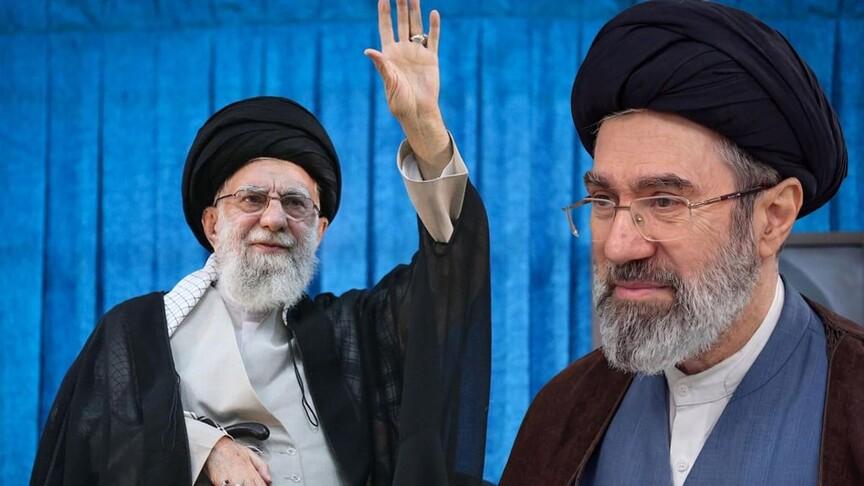
Mojtaba Khamenei vows revenge for his father's killing. Iranian lawmakers in parliament call for retaliation to avenge Khamenei's death.
The Jerusalem Post was read line by line by the Watchdog: 6.8. See the score →
Revenge rhetoric escalates
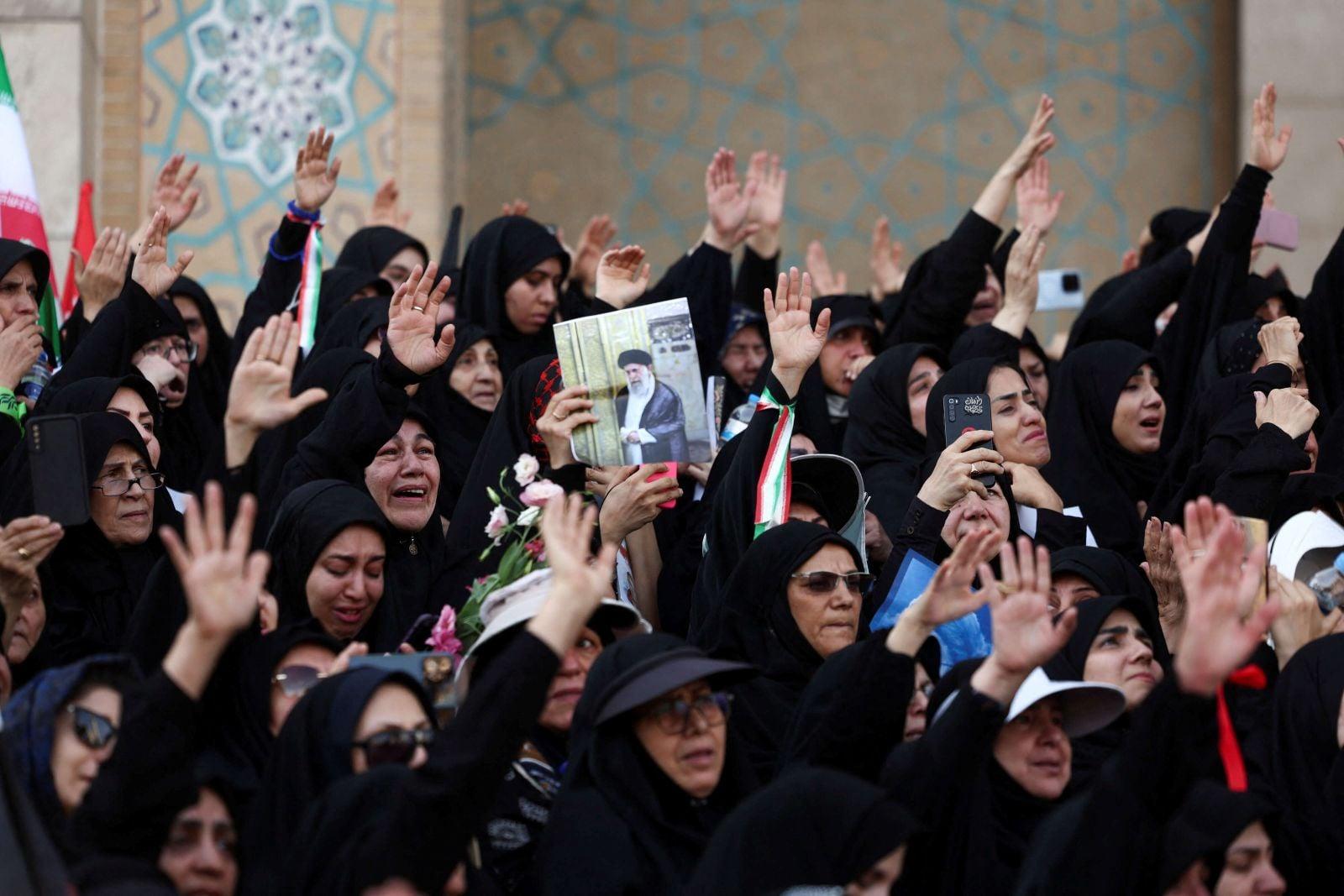
DW says that since the funeral of Iran's slain supreme leader, Ayatollah Ali Khamenei, senior figures in the Islamic Republic have escalated their rhetoric calling for retaliation to avenge his death. DW reports that on July 14, at the first in-person session of Iran's parliament since the start of the war, lawmakers waved red flags bearing calls for revenge, and that more than 180 of the parliament's 290 members endorsed demands for retaliation. DW adds that pro-government media outlets promoted revenge messaging, including the conservative daily Hamshahri publishing what it described as a wanted list under the headline "Retaliation Is Inevitable."
DW says the list featured 13 Western politicians and military officials, including foreign and defense ministers, the commander of US Central Command (CENTCOM) and German Chancellor Friedrich Merz. DW quotes legal scholar and human rights researcher Moein Khazaeli warning that "These threats should not simply be dismissed as political rhetoric," while also urging distinctions between capability, intention, and actual possibility.
Clerics and lawmakers back it
Mehr News Agency reports that in Tehran, provisional Friday Prayers leader Hojjat-ol-Islam Mohammad-Javad Haj-Ali-Akbari said that revenge for the martyred Leader of the Islamic Revolution on his murderers will continue with expelling the US from the region and the destruction of Zionist regime. Mehr says Haj-Ali-Akbari outlined a multi-phase process beginning with the direct prosecution and punishment of all planners, perpetrators, and facilitators of the assassination, then targeting US regional military installations to force a total American withdrawal and dismantling the Israeli regime from West Asia. Mehr reports that he said the strategy ultimately aims at ending the global superpower status of the United States, and that recent US aggression targeting the south of Iran and civilian infrastructure there has put an end to the Islamabad memorandum of understanding (MoU).
ISNA reports that the Society of Seminary Teachers of Qom Seminary issued a statement supporting the message of the Supreme Leader calling for retaliation against the killers of the late martyr of Iran. ISNA quotes the statement saying, "In the matter of blood revenge for the martyred Imam, any worldly expediency" is unacceptable.
What comes next
DW says Khazaeli described Iran's rhetoric as serving multiple objectives, including psychological warfare and deterrence, and as signaling that Iran could resort to terrorist methods if international pressure continues. DW reports Khazaeli saying one important target audience is the regime's own supporters, with the goal of creating the impression that the regime remains determined and capable of exacting revenge. DW also says the messages are directed toward an international audience, including opponents of the Islamic Republic abroad such as Iranian journalists, political activists, human rights defenders and exiled dissidents.
خبرگزاری حوزه | Other frames the funeral as demanding vengeance, stating in its analytical message that the martyred leader "demands vengeance from the criminals and killers of the martyred leader" and other martyrs. خبرگزاری حوزه | Other says the funeral gave "new life to the call for revenge" and that it raised the demand so that legal actions and practical measures would be undertaken to avenge the blood of the martyred leader.