Iran30 May, 20262 min read
Iranian Security Forces Lose Control as Protests Spread in Tehran, BBC Reports
This article is an automated aggregation of coverage from news outlets. Our editorials offer in-depth analysis curated by the NewsCord team.
Iranian attorney general threatens activists abroad with asset seizure and execution. Quds Day protests abroad were banned in London for security reasons.
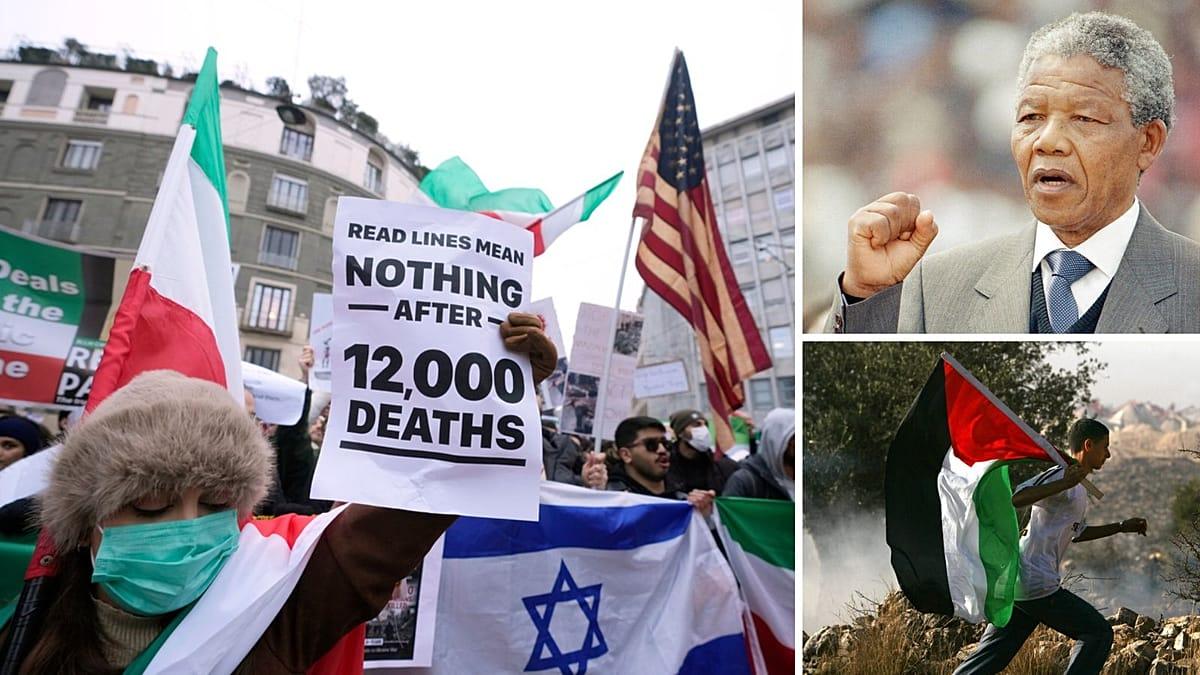
Diaspora split over intervention
In Washington, D.C., Mojdeh and her husband traveled to Tehran in early January expecting a short visit, but protests spread, flights were canceled, and they were stranded in a city where “Life had stopped, especially at night, when the internet and even the telephone network were completely cut.” Mojdeh told the BBC that after dinner one night, “It felt as though the people had occupied Tehran,” as streets were crowded and in some areas it seemed security forces had lost control.
“Life had stopped, especially at night, when the internet and even the telephone network were completely cut.”
The BBC reported that HRANA, based in the United States, has confirmed more than 6,000 deaths, while Iran Human Rights, based in Norway, says the final toll could exceed 25,000. Iranian officials say at least 3,117 people have died, and the BBC said Donald Trump described talks as “very good” and said Iran “appears to be genuinely eager to reach an agreement.”
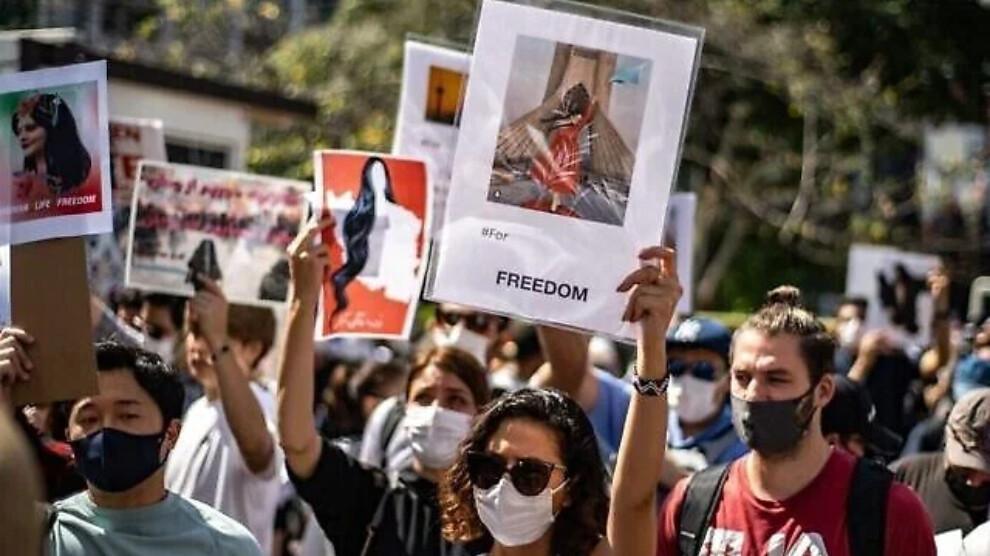
Threats and pressure abroad
The Iranian regime’s pressure on opponents abroad escalated as the Office of the Attorney General of Iran warned activists and Iranians abroad that “for cooperating with hostile governments, they would face severe penalties, including the full confiscation of their assets and execution.” The same statement said Mohammad Mohahedi Azad warned that any “alignment or cooperation” with the United States and Israel would carry severe criminal penalties.
Sky News Arabia’s Nizam Mir Mohammadi described the escalation as a fixed official policy of transnational repression, saying the regime “tries to move the battleground abroad through organized terrorism targeting voices that expose its crimes.” In London, the Guardian reported that journalists working for media outlets that criticize Tehran face increasing intimidation and threats, and it said Iran International’s offices were targeted in an arson attack attempt with a burning container thrown into the car park of a neighboring building, according to London’s police.
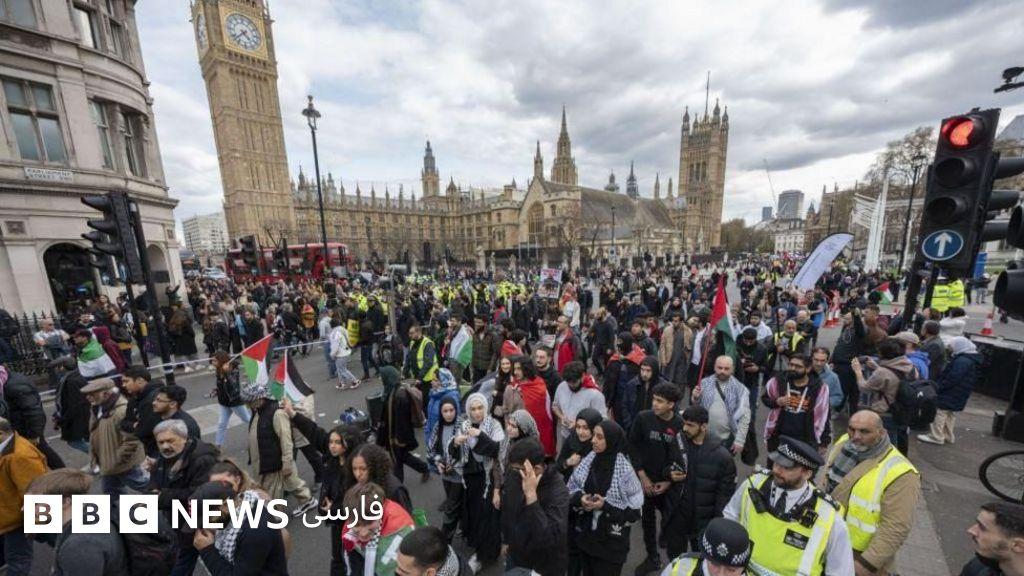
Exodus fears and migration reality
A separate account of the war’s impact on migration said there are no precise statistics on the number of Iranians abroad, but unofficial estimates put the figure at between 7 and 8 million people worldwide. It described how, after American and Israeli airstrikes on the leadership complex in Tehran and the start of the war, a perception formed that a new wave of Iranians emigrating abroad might occur, but it said Iranians stayed because they were more attached to the possibility of change than ever before.
The article cited European fears that the war would lead to a massive migration wave to Europe, including German Chancellor Friedrich Merz’s claim that uncontrolled migration from Iran must be prevented, and it said a Commission spokesperson told journalists there were no signs of increased Iranian migration to Europe. It added that Ankara imposed border restrictions after the start of the war and cancellation of flights from Iran, but it said correspondents sent to border crossings found nothing and observed Iranians returning to their country despite the war.