
Iran’s Ali Baqeri Says US Bases Fuel Instability, Calls for New Regional Security Order
Key Takeaways
- Iran advocates a new regional security order to replace existing arrangements.
- The Strait of Hormuz is central to any potential US-Iran settlement.
- Reports indicate progress in US-Iran talks with cautious signaling.
Iran seeks new security order
Iran’s deputy secretary of Iran’s Supreme National Security Council (SNSC) for international affairs, Ali Baqeri, said a growing number of countries have welcomed Tehran’s proposal to establish a new regional security equation aimed at ensuring long-term peace and stability in the region and beyond.
Baqeri made the remarks during a three-day visit to Moscow, where he attended the 14th International Meeting of High Representatives Responsible for Security Issues and held talks with senior security officials from Asia, Africa, Europe, Latin America, and neighboring countries.
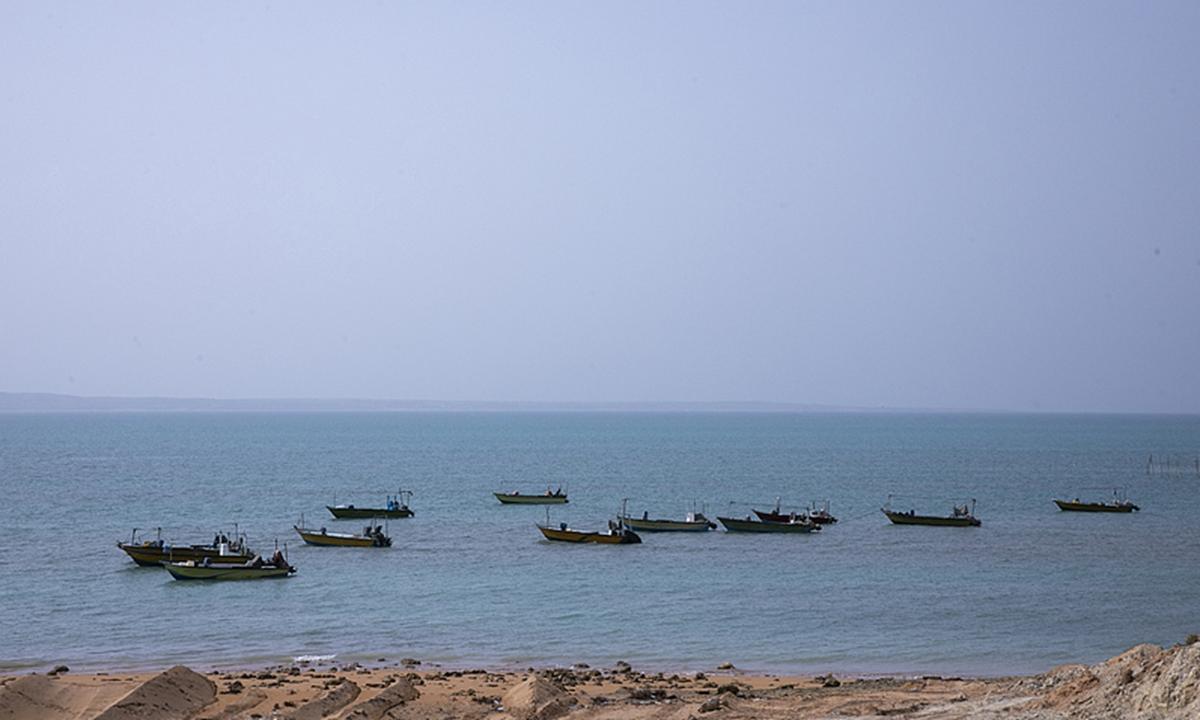
He argued that any future regional security framework must be based on participation of regional countries themselves while excluding foreign interference and rejecting the influence of the Zionist regime, and he said, “There is now widespread acknowledgment that the US has been a source of instability in the region, with its military bases serving as one of the manifestations of that role.”
Speaking in an interview with Russia Today (RT) on the sidelines of the Moscow gathering, Baqeri said the region would become “the most stable in the world” if US military bases were removed and Israel ceased interference in regional affairs.
He also confirmed that indirect contacts between Iran and the United States are continuing, while discussions over Iran’s enriched uranium stockpile are “not on the agenda” of the current talks.
Gulf states reject being sidelined
A West Asian analysis in Orient XXI, by Hesham Al-Alawi, described the war on Iran as a “major rupture in the architecture of the regional order in the Middle East,” saying it has produced “fragmented sovereignties and fractured alliances.”
The piece also argued that the war has drawn criticism for its illegality and for “the retaliatory, indiscriminate and disproportionate responses carried out by the Iranian military against a large portion of the Gulf states,” and it said restrictions imposed on the Strait of Hormuz disrupted global oil and gas markets.

In a separate West Asian commentary published by الجزيرة نت, the author said the region’s developments have moved beyond the traditional confrontation between the United States and Israel on one side and Iran on the other, and warned that negotiations conducted without the most exposed Gulf parties are “negotiations built on political vacuum and sown in soil of illegitimacy.”
The same article said the 2015 nuclear deal was built on “deliberate sidelining of the Gulf voice,” adding that the deal focused on numbers and reactors while leaving the region to harvest missiles and drones.
It further argued that the Strait of Hormuz is “the center of gravity in the global energy and security equation,” and said Iran’s insistence on treating the strait as a bargaining tool contradicts international law.
Strait of Hormuz and next steps
Mehr News Agency said that after “America and the Zionist regime’s failed forty-day war against Iran,” West Asia has entered a new phase in which the shifting legal and security status of the Strait of Hormuz has become central.
It stated that Iran has “explicitly stated that it will henceforth manage the Strait of Hormuz intelligently,” and said this has become one of the Trump administration’s principal anxieties.
The outlet reported that Donald Trump threatened that Oman “will blow up” if it moves forward with a plan to collect tolls or transit fees in the Strait of Hormuz, and it said Scott Bessent declared Washington would not accept any effort to impose tariffs or tolls and would target any party involved.
Mehr News Agency also cited a response from Omani editor-in-chief Hatem al-Taie, who described Trump as “incapable of war,” and it said Javier Blas wrote on social media that Oman appears to be seriously considering joining Iran in implementing some form of “toll” or “transit fee” system.
In the same broader framing, the Tehran Times account of Baqeri’s remarks said Iran and Oman are jointly working on a new mechanism for vessel transit through the Strait of Hormuz, and that the proposed arrangements would differ significantly from regulations that existed prior to the recent conflict involving Iran.
More on Iran
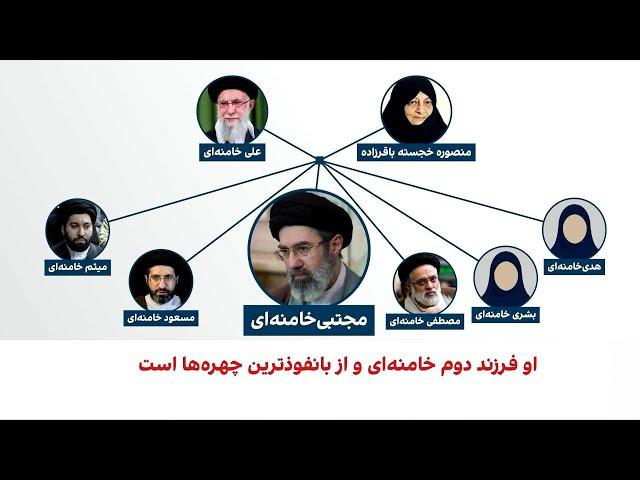
Mojtaba Khamenei Vows Revenge After Ali Khamenei’s Feb. 28 Killing
15 sources compared

Abbas Araghchi Meets Oman’s Badr Al-Busaidi In Muscat To Discuss Strait Of Hormuz Safe Passage
20 sources compared
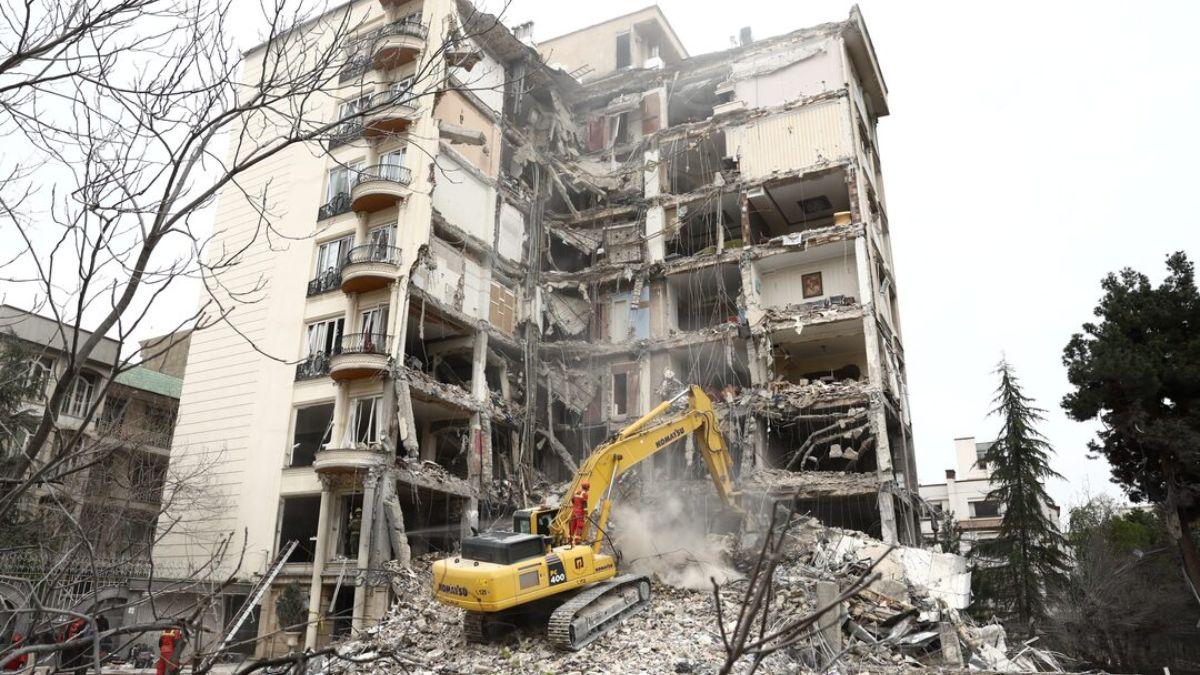
Donald Trump Threatens Iran With 1,000 Missiles If It Tries To Assassinate Him
33 sources compared

Iran Says Talks With U.S. Impossible Until Washington Retreats, Vows Revenge for Ali Khamenei Death
17 sources compared