Iran31 October, 20263 min read
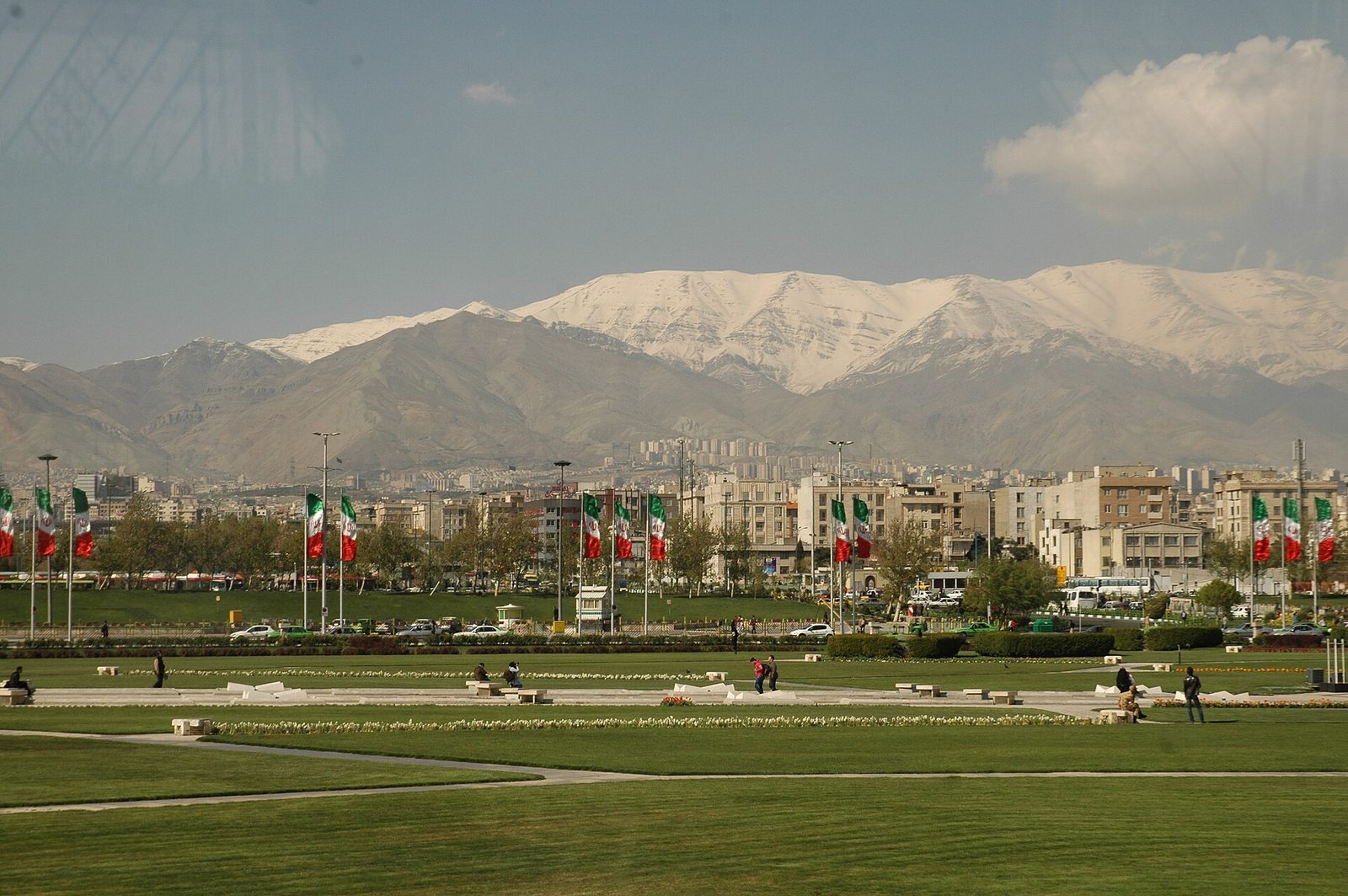
Archive photo · 5 April 2014Iran’s Army Warns Trump’s US Attack Would Engulf A Much Wider Region
“The US holds midterm elections on Tuesday that could determine the direction of the war”
“declared the Strait of Hormuz closed to all traffic.”
Photo: Stefano Vigorelli, CC BY-SA 4.0 · Cropped for layout
This article is an automated aggregation of coverage from news outlets. Our editorials offer in-depth analysis curated by the NewsCord team.
Iran's army warns any new US attack would widen war across a broader region. Spokesman says US adventurism, with Zionist support, would trigger expanded fighting.
Save coverage image
The Times of Israel was read line by line by the Watchdog: 0.0. See the score →
War threat widens
Iran’s army warned that any new US military adventurism in the region would “engulf a much wider area,” with Brig. Gen. Mohammad Akraminia saying the “flames of war will undoubtedly engulf a much wider geographical area.”
Akraminia framed the warning as a response to US President Donald Trump “resorts to another adventure in the region” alongside Israel, and he added that “the end of the conflict will not be in his (Trump’s) hands.”
Iran’s Army spokesman also said the force was “continuously” enhancing its combat readiness and “closely monitoring” US movements in the region.
The warnings arrived as the sources tied tensions to attacks launched by the US and Israel against Iran on Feb. 28, 2026, and to Iranian retaliation in the region, with a memorandum signed by Washington and Tehran in June mentioned as part of subsequent diplomatic efforts.
The sources also placed the warnings against a backdrop of heightened US military activity in West Asia and hostile rhetoric by American officials against the Islamic Republic.
Diplomacy and election pressure
Iran’s Foreign Minister Abbas Araghchi warned that “Iran’s Powerful Armed Forces will deal against those who dare harm our people,” as the Times of Israel described fresh diplomatic efforts to avert a resumption of fighting. The Times of Israel said Qatari mediators were in Tehran and that US Vice President JD Vance was reportedly sending a letter to Iran’s security chief Mohsen Rezaei. The Times of Israel also tied the Iranian warning to threats ahead of the US midterm elections, saying the US holds midterm elections on Tuesday that could determine the direction of the war.
Mid East News quoted analyst Morteza Maki saying Trump’s contradictory statements about Iran aim in part to influence American public opinion as the midterm congressional elections approach. Maki told ILNA News Agency that the contradiction in Trump’s rhetoric has persisted since the start of the war, and he described it as part of psychological warfare that maintains “an atmosphere of anticipation, fear, and despair” and could exhaust Iran’s social and economic capacities.
Strait of Hormuz and stakes
PressTV said Iran maintained a tight grip on the Strait of Hormuz since the early days of the second imposed war, and it added that Iran declared the Strait of Hormuz closed to all traffic after launching strikes against strategic American targets. Rear Admiral Habibollah Sayyari said on Thursday that “The enemy was defeated in all three wars,” and he added, “We suffered damage, but we did not allow it to achieve its objectives.” PressTV also described the second aggression as beginning on February 28, 2026 and coming to a halt in early April after 40 days, while it said the first war of aggression lasted 12 days in June 2025.
“The enemy was defeated in all three wars.”
Mid East News said Morteza Maki expected that widening and intensifying the war would increase its costs and not be limited to Iran, extending to U.S. interests and the interests of Washington’s allies in the region. Maki pointed to regional diplomatic moves, including visits by senior security officials from Pakistan, Saudi Arabia, and Turkey to Iran, and he said these political and diplomatic moves could reflect efforts to prevent a war that gets out of control.