Full story
Missiles intercepted after lull
Iran’s Islamic Revolutionary Guard Corps launched multiple ballistic missiles from Iran toward U.S. forces in the Middle East on Tuesday (July 28), ending a brief pause in fighting that had followed nearly two weeks of consecutive nightly attacks.
The U.S. Central Command said the launch was an attempted surprise attack and that “All Iranian missiles were successfully intercepted,” adding that U.S. forces “remain vigilant and at a high state of readiness.”

The Daily American Republic reported the missiles “shattering a brief pause in fighting” as mediators tried to get both sides back toward negotiations and a ceasefire.
The attack came as U.S. and Iran had experienced “a period of calm” during which neither announced attacks for days, after escalation over the Strait of Hormuz and the Persian Gulf’s narrow chokepoint.
In the same reporting, Iran said U.S. strikes during an earlier period of escalation destroyed an airport and a marine control tower and caused damage to 12 bridges and two tunnels, among other infrastructure.
Netanyahu, Trump and CENTCOM
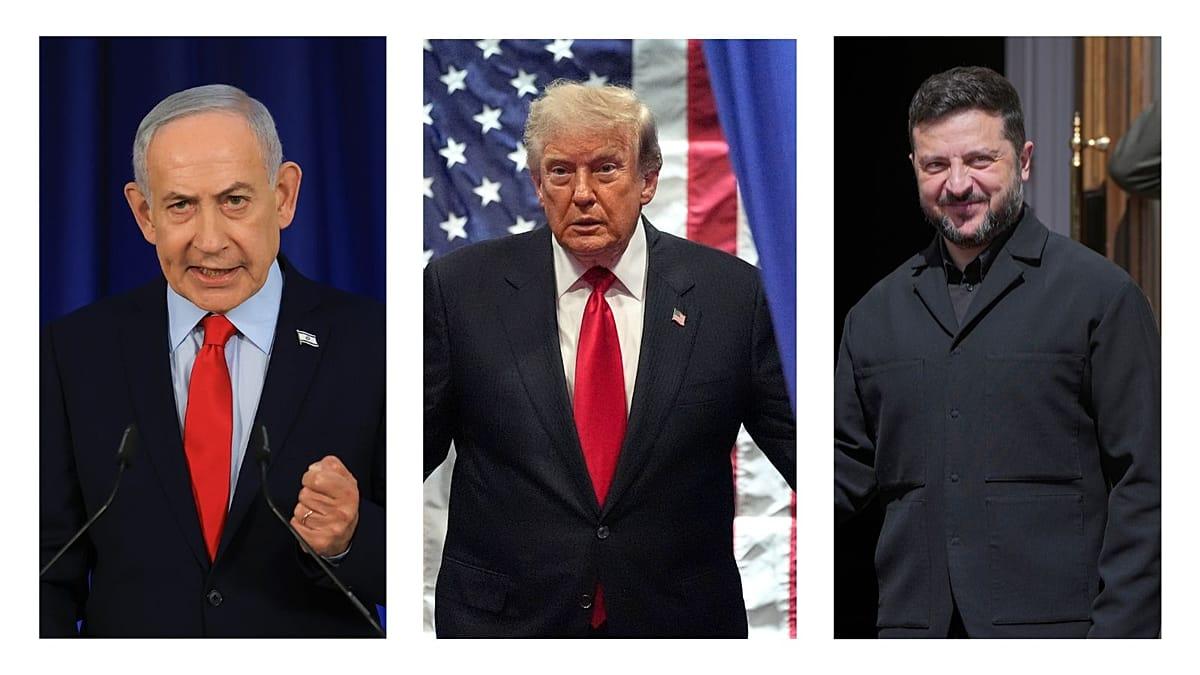
While CENTCOM described the missile launch as an attempted surprise attack, DW reported that the confrontation came after a days-long lull in fighting and that Israeli Prime Minister Benjamin Netanyahu and U.S. President Donald Trump praised cooperation after a closed-door meeting in the Oval Office.
DW said the sit down, lasting for 90 minutes, was described as “positive and productive” by the White House, and it quoted Netanyahu calling it “one of the best conversations I’ve ever had with the president of the United States.”

Scripps News likewise centered the CENTCOM framing, saying the U.S. intercepted what it called a “surprise attack” on U.S. forces by Iran and that “All the missiles were intercepted.”
Scripps News also reported that it was not immediately clear whether and how the U.S. would respond, noting that President Donald Trump had appeared to prioritize new diplomatic efforts with Iran in the last week.
The same Scripps News account said Iran’s Foreign Ministry spokesperson Esmail Baghaei stated Monday that “mediators may convey messages to us from the American side,” while the U.S. paused strikes on Iran over the weekend.
Readiness, routes, and next risks
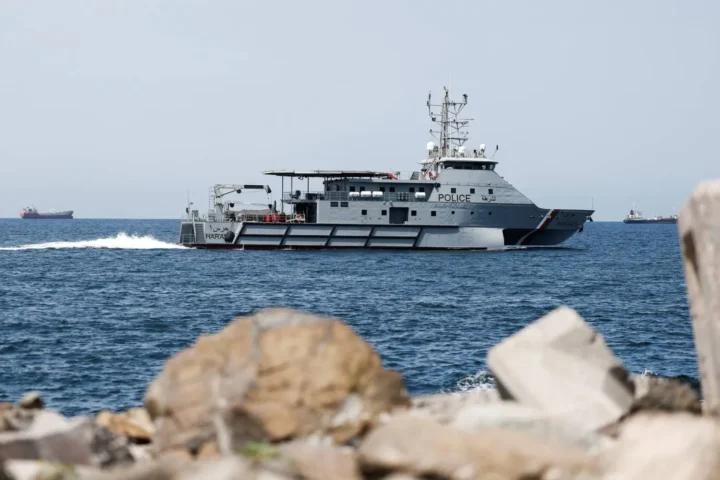
The Daily American Republic tied Tuesday’s missile launch to a wider struggle over the Strait of Hormuz, saying Iran demanded that ships use a route near its coastline and that it can potentially charge fees.
“What you need to know - US military says Iranian ballistic missiles intercepted - The confrontation comes after a days-long lull in fighting - Netanyahu hails his White House meeting with Trump despite tensions Read below for the latest developments concerning the Iran war and the wider Middle East on Wednesday, July 29, 2026: Tired of missing our real-time updates”
It reported that ships were increasingly navigating a southern route along the coast of Oman under a U.S. overwatch operation when Iran attacked some vessels, and it described Iran effectively closing the strait by firing at freighters and tankers off its coast or threatening them.
The same account said the U.S. and Iran paused their fighting over the weekend, though tensions remained high even as officials said mediators achieved progress in getting the two sides back to negotiations.
In parallel, the Daily American Republic described how Saudi Arabia said it shot down drones fired by Iran-backed militias in Iraq for a second day, while Iran-backed Houthi rebels in Yemen claimed to have forced a Saudi oil tanker to turn around as part of their self-styled blockade.
It also reported that the U.S. ability to intercept Iran’s incoming strikes had become “an increasingly salient issue” as lawmakers, members of the military and experts raised concerns over the nation’s diminishing stockpiles of missile interceptors.