Full story
Hormuz transit permission
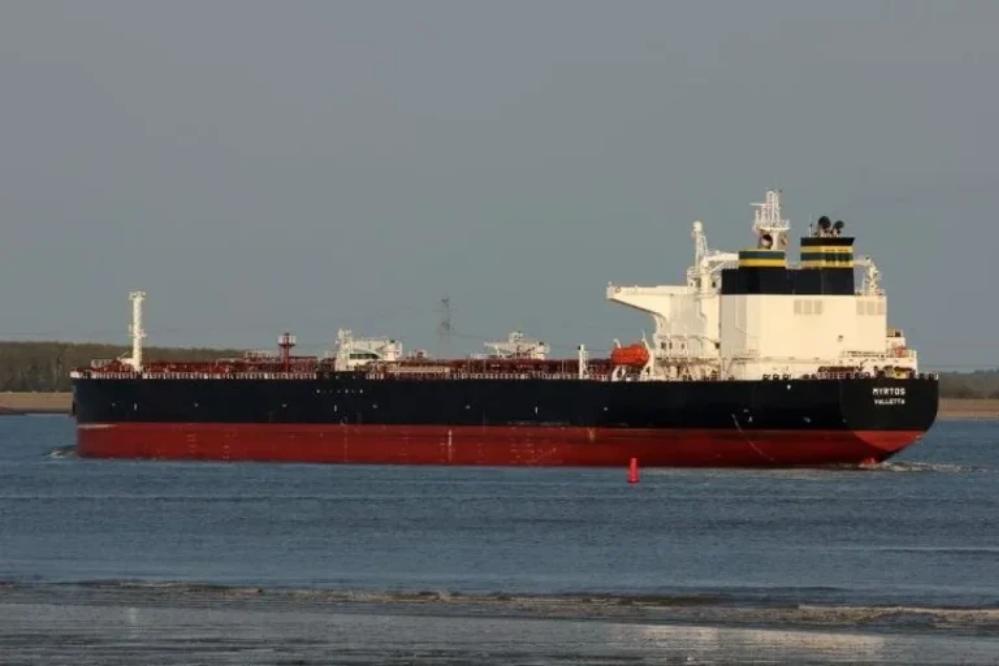
Iran granted permission for a number of Iraqi oil tankers to pass through the Strait of Hormuz after repeated requests from Baghdad, Iran’s state news agency IRNA reported on Saturday.
“Iran has granted permission for a number of Iraqi oil tankers to pass through the Strait of Hormuz”
Reuters said the special permission was one of Baghdad’s main requests during Iranian parliament speaker Mohammad Baqer Qalibaf’s visit to Iraq, and Iraqi President Nizar Amedi said Iran facilitated the passage of vessels carrying Iraqi oil through the Strait in recent days.

Amedi told the Baghdad Dialogue policy conference that the issue remained complicated, while Reuters reported that traffic in the strait remains significantly below pre-war levels and ships continue to face attacks in the area.
Reuters added that Iraq produced around 4 million barrels of oil per day before the outbreak of the Iran war, and that Baghdad is working to expand exports through Turkey's Ceyhan port and also to begin exporting oil through Syria's Baniyas port and Jordan's Aqaba port, Prime Minister Ali al-Zaidi said on Friday.
Officials trade blame
Iraqi President Nizar Amedi said on Saturday that Iran facilitated the passage of “some ships carrying Iraqi oil in the strait” in recent days, and he said Baghdad discussed the export of Iraqi oil through Hormuz with Iranian officials.
At the same Baghdad Dialogue policy conference, Amedi said Baghdad will not accept Iraqi territory being used to launch attacks against any other country, adding that attacks launched from inside Iraq against countries in the region “have no justification”.
Al Jazeera’s Tohid Asadi, reporting from Tehran, described the situation around the strait as a “holding pattern that applies not only to Iraqis but also all countries,” and said the Strait of Hormuz remains still vague as Iran has been involved in talks with Oman.
Al Jazeera also quoted Mostafa Khoshcheshm, a professor at the University of Applied Sciences in Tehran, saying Iran decided to let Iraqi oil tankers pass through the Strait of Hormuz because Baghdad has “always stood up to the United States”.
What comes next
The Hormuz transit decision landed as the wider confrontation continued, with Al Jazeera describing the United States as “another determinant when it comes to the closure of the strait” and saying Iran’s position is that as long as the naval blockade continues, the strait is going to remain closed.
“as long as the naval blockade continues, the strait is going to remain closed”
In parallel, France 24 reported that Iran warned states joining the United States’ “economic war” would be considered enemies, quoting Mohsen Rezai on state television: “Any country participating in the imposition of economic restrictions against us is considered an enemy,”.
France 24 also tied the warning to Iran’s stance that the war with the US should end, after President Masoud Pezeshkian said Friday the war should end because the world had already accepted that Iran had won, according to Iranian state media.
Reuters framed the immediate stakes for Iraq as dependence on the maritime corridor, noting that before the war the corridor accounted for about a fifth of global oil and natural gas shipments and that the issue of continuing Iraqi oil exports via the strategic maritime corridor remains complicated.