
Iran · updated 1h ago · 2 min read
Iraq Negotiates With United States for Exemptions From Iran Aviation Sanctions
Baghdad seeks U.S. exemptions from Iran aviation sanctions to allow Iranian flights to Iraqi airports. Iraqi government cites U.S. Treasury actions restricting flights and urges humanitarian exemptions.
17 outlets told this the same way.
2 of 3 outlets skipped it: iran’s SNSC rejects airport-attack speculation.
Al Jazeera was read line by line by the Watchdog: 3.6. See the score →
17outlets compared
Baghdad seeks exemptions
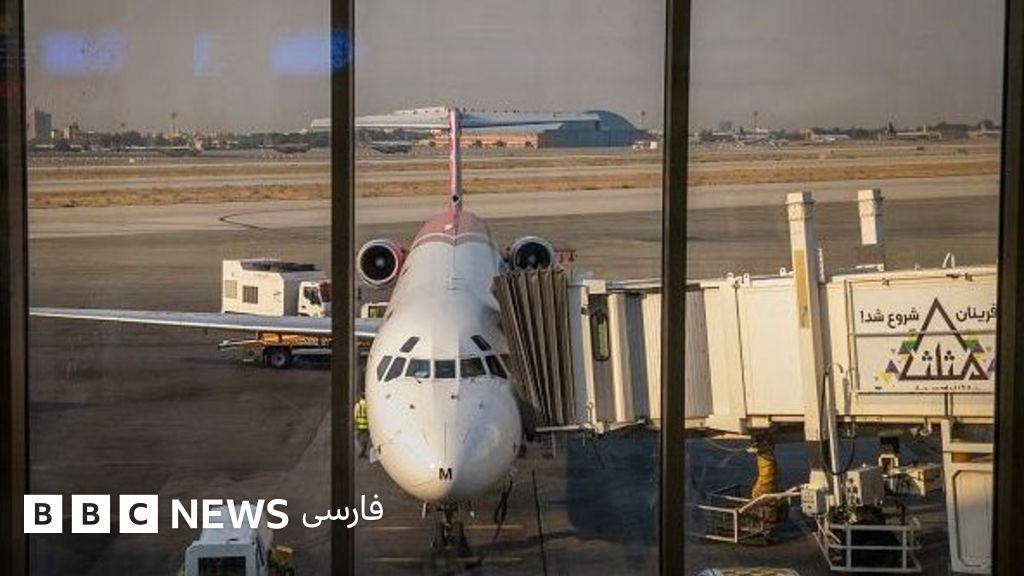
Iraq announced it was negotiating with the United States for exemptions from Iran’s new aviation sanctions, and the Iraqi Prime Minister’s Office said the talks aimed to secure exemptions for some Iraqi airports “in light of these measures.” Iraq said that if an agreement was reached, “Iran’s airline flights to this country will operate for humanitarian purposes, including medical treatment, education, pilgrimage travel, and to safeguard civilians’ interests.”
The BBC reported that Iraq’s step came as the ban on Iranian civil aviation at Iraqi airports drew objections inside the Iraqi Parliament, with Adnan Al-Dulaimi calling it “unconstitutional.” The Euronews account said the Iraqi government sought exemptions for humanitarian reasons, while it also described how the suspension of Iranian flights was affecting travelers for treatment, study, and religious visits and raising concerns about religious tourism and related services.
Sanctions squeeze flights
The BBC said the United States imposed new restrictions on countries that cooperate with Iranian airlines, and it added that the U.S. listed 27 Iranian airlines under sanctions effective from September 23 (October 1). The BBC also quoted Scott Sperin? (likely Scott Bisset) warning that “You cannot fuel them, you cannot provide airport services, you cannot sell them tickets, otherwise you will be cut off from the dollar system.”
The PressTV account said an Iraqi anti-terror resistance group, Harakat Hezbollah al-Nujaba, vowed to stage airport sit-ins unless normal air traffic between Iraq and Iran resumed, and Akram al-Kaabi said, “We will not wait long.” The PressTV report said Najaf International Airport suspended services at 2 a.m. local time on Friday until further notice, and it added that Erbil International Airport and Sulaymaniyah’s International Airport took similar measures while Kirkuk International Airport said it had no flights to Iran.
Iran’s seven-day roadmap
Iran’s Foreign Minister Abbas Araghchi told reporters outside the United Nations Security Council that Tehran had formally submitted a seven-day roadmap to end its war with the United States and was awaiting Washington’s response. Al Jazeera quoted Araghchi saying, “The seven-day timeline will start as soon as the United States accepts this plan,” and it said the Strait of Hormuz would reopen on the sixth day and that “on day seven, the talks with the US will be started for the final deal.”
The Al Jazeera report said the plan would include Washington lifting its naval blockade of Iranian ports, waiving sanctions on Iranian oil sales, releasing an estimated $12bn in frozen Iranian assets, and observing a ceasefire covering the region, including Lebanon and Yemen. The Al Jazeera report also said Araghchi told reporters, “The choice now rests with the United States,” and it added that he said Iran “does not accept coercion, threats or intimidation” and would not surrender its sovereign rights under pressure.