Iran · updated 1h ago · 3 min read
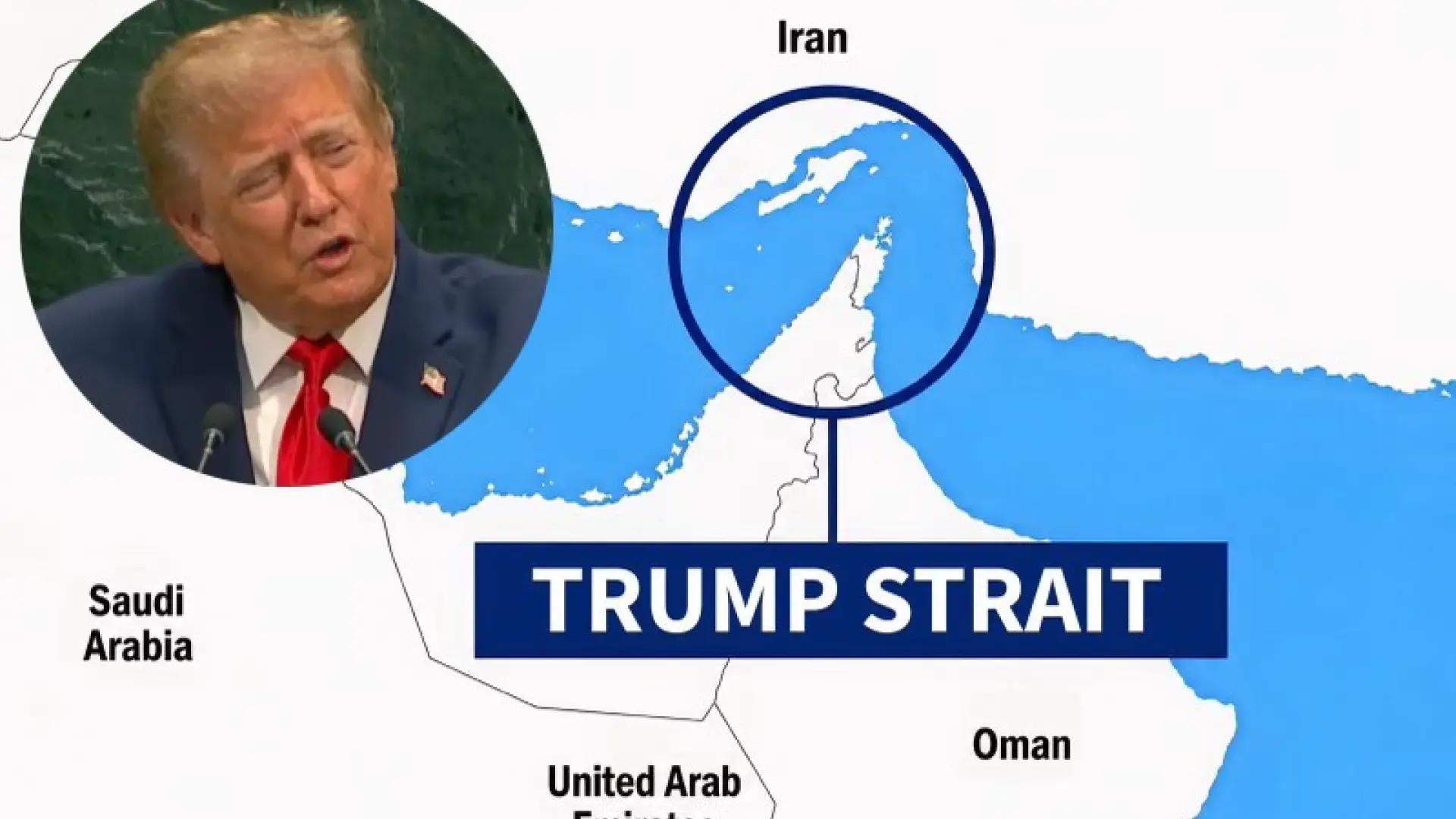
Trump Rejects Iran’s Seven-Day Hormuz Reopening Plan, Posts “Trump Strait” Image
Trump rejects Iran's seven-day plan to reopen the Strait of Hormuz. He tells aides he expects to resume bombing Iran after the midterm elections.
Whether bombing after midterms is expected or only possible.
10 of 11 outlets skipped it: US route agreement should include UN nuclear inspectors returning.
The Guardian was read line by line by the Watchdog: 4.1. See the score →
25outlets compared
Same story, two versions
tap a side to read it in full
The Guardian
“Trump has told aides he expects to resume bombing Iran after the November midterms”Read the original ↗
The Guardian frames renewed bombing as expected after midterms, while Open Magazine treats it as a strong possibility.
Trump rejects Hormuz truce
United States President Donald Trump rejected an Iranian proposal to reopen the Strait of Hormuz within seven days, according to unnamed US officials cited by The Wall Street Journal. Iranian President Masoud Pezeshkian said he “distrusts” the United States within the framework of ongoing negotiations, citing “the repeated attacks and sanctions imposed after each conversation,” and he urged American authorities to present a response to the plan to reopen the strait. Iran’s Foreign Minister Abbas Araghchi said Iran’s seven-day proposal calls for the US to take actions it committed to under the failed June 17 Islamabad Memorandum of Understanding on an accelerated timeframe, including releasing $12bn in frozen Iranian assets, lifting Iranian oil sanctions, and ending the US’s naval blockade on Iranian ports.
Araghchi said once the US conditions are met, which he estimated would take four or five days, the Strait of Hormuz could be reopened and negotiations with the US on a “final deal” would start on day seven. Trump’s rejection came as Trump posted an image on Truth Social labeling the waterway as the “Trump Strait,” while Iran said it has complete control of the strait.
Mediation and competing signals
Qatar passed messages between the two sides as an intermediary, and a US official told Al Jazeera that ongoing mediated talks are “positive and constructive.” Thomas Warrick, senior fellow at the Atlantic Council, said there is “an enormous amount of scepticism in Washington that the two countries are on the same page,” and he added that “the best we can hope for is that this offer” leads to further discussions. Iran’s Foreign Minister Abbas Araghchi told reporters that “The choice now rests with the United States,” and he said “Iran does not accept coercion, threats or intimidation.”
A US official told the BBC that Washington is “in a very strong position thanks to its control of the Hormuz Strait, so it is not in a hurry,” while the BBC reported that the US has not yet formally replied to the proposal. Iranian President Masoud Bezhkian told CBS News that the ceasefire “will begin on the day they accept it,” and he said, “We had previously reached an agreement based on the memorandum of understanding signed in Pakistan” and that “if the United States agrees to proceed in that way, things will return to how they were before.”

Bombing expectations and stakes
The Wall Street Journal reported that Trump told his aides he expects to carry out a new bombing campaign against Iran after the US midterm elections in November, and the same reporting described Trump’s skepticism about whether Iran would fulfill US demands. Iran’s offer tied any reopening of the Strait of Hormuz to US actions including lifting sanctions on Iranian oil and ending the US naval blockade on Iranian ports, while Iran said the crisis in Hormuz “can be resolved through diplomacy and not force.” Iranian President Masoud Pezeshkian said the Supreme Leader, Ayatollah Ali Khamenei, supports Iran’s new proposal to reopen the Strait of Hormuz, and he said the provisions would be implemented “without any problems” if the United States agrees.
The BBC reported that a US official told it positive discussions are taking place through intermediaries, including talks on the nuclear file, even as The Wall Street Journal reported Trump had rejected the deal. The dispute over Hormuz remained central to the standoff, and the BBC said the understandings signed in June called for a ceasefire on all fronts, the unfreezing of Iran’s frozen assets following the 1979 Islamic Revolution, and the lifting of American sanctions that choke the country’s economy.