Iran17 July, 20262 min read
IRGC Warns “Zero Hour” as U.S. Strikes Chabahar Maritime Tower, Iran Vows Retaliation
This article is an automated aggregation of coverage from news outlets. Our editorials offer in-depth analysis curated by the NewsCord team.
Iran claims strikes on US bases in Jordan and Kuwait under Nasr 2 and Lightning. Nasr 2 and Operation Lightning have unleashed multiple waves targeting US assets across Gulf states.
Zero hour and Chabahar
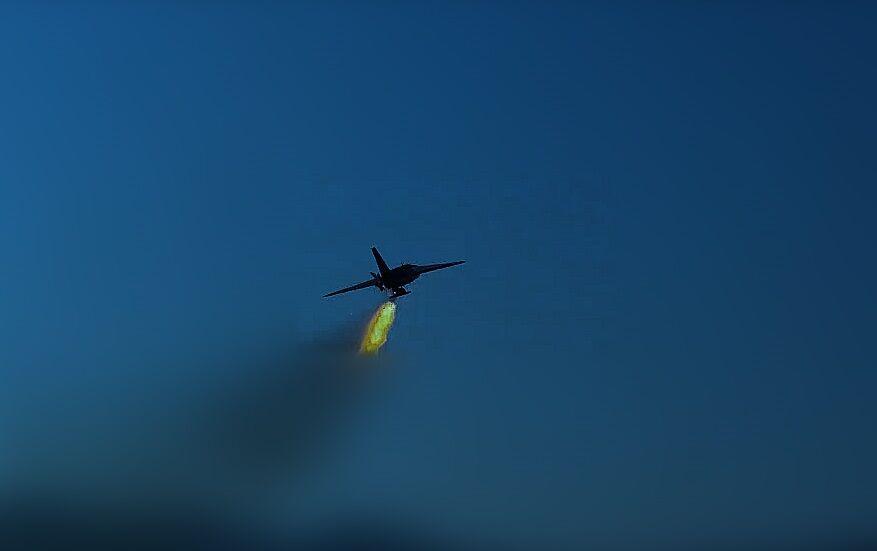
Iran’s Islamic Revolutionary Guard Corps (IRGC) warned Friday that U.S. naval forces were approaching the “zero hour” for Iranian military operations as Washington continued attacks on civilian infrastructure in southern Iran and Tehran expanded retaliatory strikes across the region. The IRGC Navy published images it said showed American warships operating in regional waters, and its naval command said, “the movements and equipment of the American army are under the full supervision” of Iranian forces.
Iranian state television reported that U.S. forces struck the maritime observation tower in the southeastern port city of Chabahar, and said the missile attack “completely destroyed the tower.” The IRGC Aerospace Force commander Brigadier General Majid Mousavi said Iranian military operations would continue until calm returns to the southern coast and the Strait of Hormuz, adding, “Effective and targeted bombing of the enemy will continue from all parts of the country until calm returns to the southern coast and the Strait of Hormuz.”
Kuwait infrastructure and sanctions
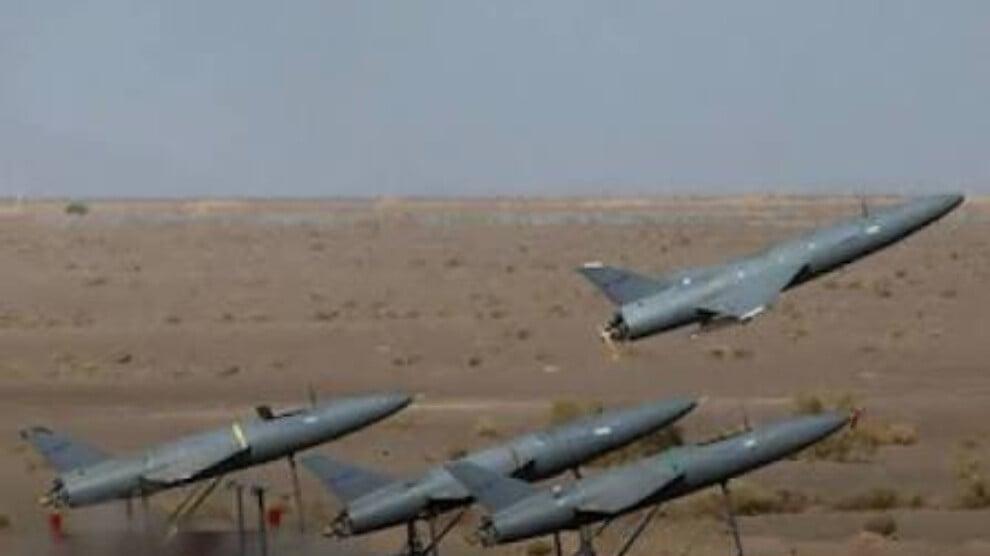
Iran’s drone attacks on Gulf infrastructure have been described as triggering crypto market shocks and new U.S. sanctions, with the Crypto Briefing saying Iranian drones hit Kuwaiti power generation and water desalination plants in early April.
The Crypto Briefing reported that the strikes caused “temporary shutdowns of multiple electricity-generating units,” while Kuwait reported no casualties.

It also said the U.S. Treasury imposed sanctions on Iranian crypto exchanges and froze $130 million linked to those accounts, as Bitcoin dipped below $100K and liquidation cascades exceeded $700 million.
In parallel, Türkiye Today quoted IRGC Aerospace Force commander Brig. Gen. Seyed Majid Mousavi saying, “In our calculus, land is land; Tehran and the south are one indivisible part of Iran,” as he vowed strikes would continue until calm returns to the southern coastline and the Strait of Hormuz.
Retaliation waves and regional stakes
Iran’s retaliatory campaign is described across multiple “Nasr 2” waves, with Roya News saying the IRGC targeted what it described as U.S. unmanned boat storage facilities in Bahrain and claimed a “main artificial intelligence center in Bahrain” was struck and “resulting in its complete destruction.” Roya News also reported that the United States confirmed it launched another round of military strikes against Iran, marking the seventh consecutive night of attacks, and quoted CENTCOM saying, “The strikes are designed to continue degrading Iranian military capabilities at the Commander in Chief's direction.”
In the same reporting stream, Iranian Foreign Minister Abbas Araghchi said the three people killed while crossing a bridge were “completely innocent,” and added, “We will never allow their pure blood to be trampled upon.” The stakes were framed in energy and shipping terms in Vietnam.vn, which said the Strait of Hormuz remains a strategic corridor accounting for about 40% of India’s crude oil imports, 60% of its liquefied natural gas (LNG), and nearly 90% of its liquefied petroleum gas (LPG).