Global Politics · 08 August, 2026 · 3 min read
Ishaq Dar Briefs Canada on Makkah Joint Defense Pact With Saudi Arabia and Türkiye
Pakistan's Dar briefed Canada on the Mecca defense pact with Saudi Arabia and Türkiye. The pact was signed in Mecca by Pakistan, Saudi Arabia, and Türkiye.
Egypt’s relationship to the pact (future join vs questioned/absent).
2 of 3 outlets skipped it: pakistan-Canada meeting and Dar’s clarification on scope.
16outlets compared
Same story, two versions
tap a side to read it in full
Al Jazeera
“Egypt is the only country whose potential membership has been publicly raised”Read the original ↗
i24NEWS
“Cairo participated in the Quadrilateral Mechanism... but did not join the joint defense pact”Read the original ↗
Al Jazeera and i24NEWS frame Egypt’s status differently, with Al Jazeera more expansionist
Mecca pact signed
Pakistan’s Deputy Prime Minister and Foreign Minister Ishaq Dar briefed Canada’s foreign minister Anita Anand on Pakistan’s newly signed joint defense pact with Saudi Arabia and Türkiye, as the two discussed regional security in the Middle East amid the ongoing US-Iran conflict. Dar’s briefing followed a summit in Saudi Arabia where Prime Minister Shehbaz Sharif and Turkish President Recep Tayyip Erdoğan were hosted by Saudi Crown Prince Mohammed bin Salman to sign the Makkah Joint Defense Agreement, under which an attack on any one of the three countries would be considered an attack on all. Pakistan’s foreign office said Dar told Anand “The Makkah Accord is purely defensive in nature,” and added that the agreement “is not targeted against any country” and is meant to strengthen efforts toward peace, stability and prosperity in the wider region.
“‘The Makkah Accord is purely defensive in nature,’ he said in a post on X.”
The Jerusalem Post framed the same treaty as a major regional realignment, noting that on Friday Saudi Arabia, Pakistan, and Turkey signed a sweeping mutual defense treaty dubbed the Mecca Pact because of the city where it was finalized. The pact was signed amid the US-Iran conflict, which the Arab News PK report said disrupted shipping through the Strait of Hormuz and Red Sea, while the Jerusalem Post linked the timing to the Netanyahu-Modi phone call about “the current situation in West Asia.”

Debate over targets
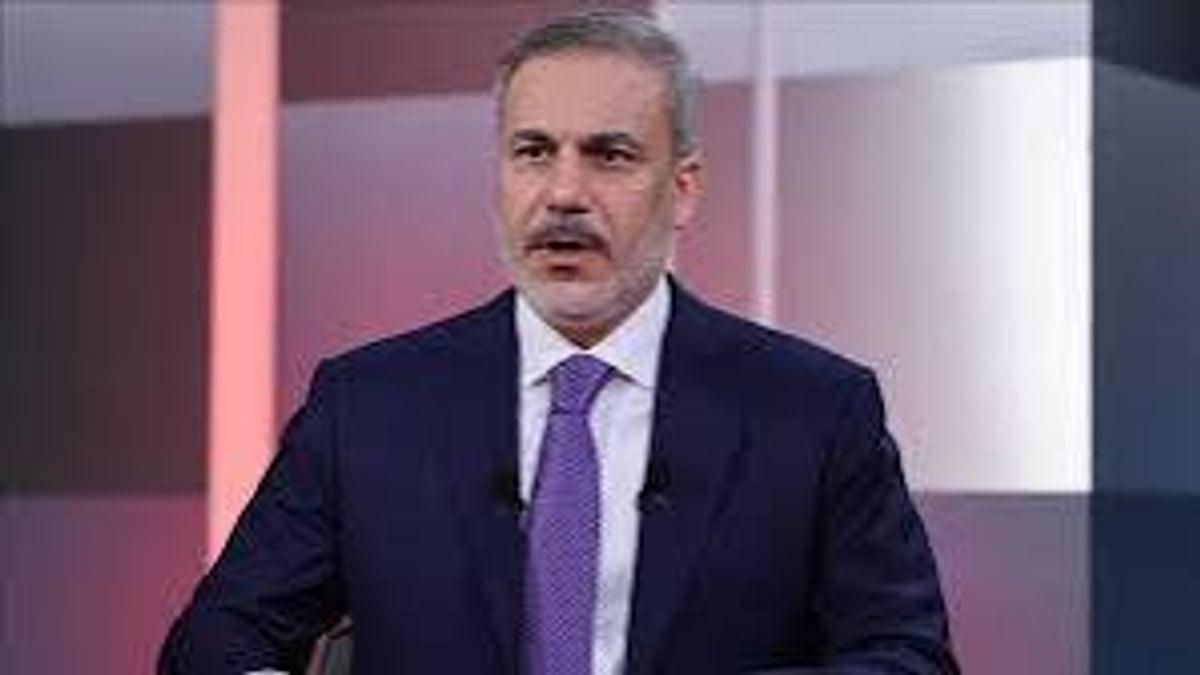
Turkish Foreign Minister Hakan Fidan said the Mecca Joint Defense Agreement is not directed against Iran, telling Anadolu that “Under our president’s vision, we should not remain limited to three countries. We should grow and, if necessary, bring all countries under this umbrella.”
In the same reporting, Fidan described the pact’s logic as a NATO-like collective defense arrangement, saying that allies would decide through consultations what degree, form and format of support they would ask for in the event of an attack but that “no country would be considered a threat as long as a member state is not attacked.”

Pakistan’s Ishaq Dar, meanwhile, sought to clarify the scope of the accord in a statement posted on X, saying the agreement’s main purpose was to strengthen cooperation among the three countries in support of peace, stability and prosperity across the region.
Dar also reiterated that the pact remains open to other regional states willing to uphold its principles and resolve disputes through mutual respect, cooperation and peaceful means, and he stressed that any external armed attack on one of the three signatories would be considered an attack on all.
The Arab News PK report added that Dar said the agreement did not abrogate or replace existing bilateral or multilateral agreements involving the three countries or their agreements with other states and organizations, while the Anadolu Ajansı report said Dar described the accord as “purely” defensive and not targeted against any country.
Possible expansion
Al Jazeera reported that Egypt was the only country whose potential membership had been publicly raised by an official from one of the pact’s signatory countries, with Fidan describing Egypt as a “natural partner” and saying he expects Cairo to formally join once “technical issues” are ironed out. AAl Jazeera also quoted professor Ali Bakir saying Egypt’s inclusion would “significantly increase the pact’s political weight, regional influence and operational effectiveness” if it materialises, while associate fellow Karim Elgendy said Egypt may join only if language protects its aid relationship with Washington and does not undermine existing alliances and peace treaties. AThe Jerusalem Post described the pact as containing a NATO-style Article 5 clause, and it quoted a Wall Street Journal line that “When a superpower flails about, regional powers begin to make arrangements for themselves.”
DW reported that Fidan said efforts to finalize the pact had been underway for two years and eight months and that Turkey indicated the new pact was open to inclusion of other regional countries and did not intend to replace any existing alliance. In the same DW account, Fidan said “No country that does not attack us will be our target,” and he described plans for a Ministers’ Committee similar to NATO and a General Secretariat based in Saudi Arabia, with Egypt potentially joining once technical issues are resolved.