Gaza Genocide18 October, 20253 min read
Israel Continues Genocide by Destroying Gaza’s Heritage and Infrastructure Amid Ceasefire
This article is an automated aggregation of coverage from news outlets. Our editorials offer in-depth analysis curated by the NewsCord team.
Israeli attacks destroyed Gaza’s ancient heritage sites, erasing Palestinian historical identity. Gaza’s reconstruction will take decades and cost approximately $70 billion due to massive destruction.

7 outlets told this the same way.
Outlets did split on Thousands March in London Calling for Britain to Stop Arming Israel and Impose Sanctions →
Impact of Gaza Conflict
Israel’s campaign has severely disrupted Gaza’s civilian life and cultural heritage. Sources document extensive destruction to homes, universities, museums, and utilities amid a fragile ceasefire. Countercurrents reports that Israeli airstrikes devastated Palestinian neighborhoods and underground sites, claiming they destroyed locations where captives were held and made their recovery impossible.
“The article highlights the devastating impact of Israeli airstrikes on Palestinian neighborhoods and underground sites in Gaza, which included the destruction of locations where captives were held, making their recovery impossible… civilian casualties such as the Shaaban family… and the massive accumulation of rubble and unexploded ordnance.”
The report also cites civilian deaths, such as the Shaaban family, amid shattered schools and a landscape filled with unexploded ordnance. The Globe and Mail describes the near-erasure of Gaza’s heritage, including the Islamic University of Gaza, Al-Azhar University, and the Rashad Al Shawa Cultural Center. It also notes that the Akkad Museum was completely lost, wiping out 2,800 rare artifacts.

Al-Jazeera Net quantifies the destruction as more than 61 million tons of rubble, with removal costs exceeding $860 million. ABC News adds that about 83% of buildings in Gaza City were damaged and 40% destroyed, including schools, hospitals, and water and electricity systems. Thewing.es highlights that human rights groups condemn Israel, while Israel denies accusations of targeting civilians or committing genocide.
Details of Gaza Ceasefire Agreement
Accounts of the ceasefire itself sharply diverge on who brokered it and what it actually covers. Countercurrents references a ceasefire brokered by Donald Trump, saying details are limited to military cessation and withdrawal. Al-Jazeera Net instead reports that Hamas and Israel agreed to a ceasefire and prisoner exchange on October 9 mediated by the U.S.
ABC News describes a fragile ceasefire that allows increased humanitarian aid and some rubble clearance. Thewing.es says the agreement explicitly includes large-scale aid and infrastructure rehabilitation. These discrepancies matter because they shape whether the ceasefire is seen as narrowly freezing combat or as a framework to rebuild a shattered Gaza after Israeli bombardment.

Gaza Reconstruction Challenges
Rebuilding projections diverge dramatically, even as all sources agree on catastrophic Israeli destruction. thewing.es says experts believe reconstruction could take years but not decades, stressing Palestinians’ skills and the need for freedom of movement to rebuild. ABC News warns it may take decades with no modern precedent for the scale required.
“Experts suggest rebuilding could take years but not decades… Around 83% of buildings in Gaza City were damaged, with 40% destroyed… freedom of movement for people and goods.”
Al-Jazeera Net calculates that clearing rubble alone could take 15 years if only 100 trucks operate daily and notes the shortage of specialized equipment. Both ABC and thewing.es cite that 83% of Gaza City’s buildings are damaged and 40% destroyed, underscoring how Israeli bombardment has left little standing. Countercurrents adds that unexploded ordnance and a ruined education sector compound the hazard and slow any recovery.
Challenges to Gaza's Recovery
Immediate obstacles to recovery in Gaza are both deadly and political. ABC News highlights that before rebuilding can begin, Gaza must clear unexploded ordnance and rubble, with victims still trapped beneath the debris. Al-Jazeera Net reports that Gaza lacks the heavy machinery needed to remove debris on a large scale.
thewing.es emphasizes the need to create safe areas and deliver a surge of humanitarian aid. Thewing.es also insists that ending Israel’s military occupation and ensuring freedom of movement are essential for meaningful reconstruction.
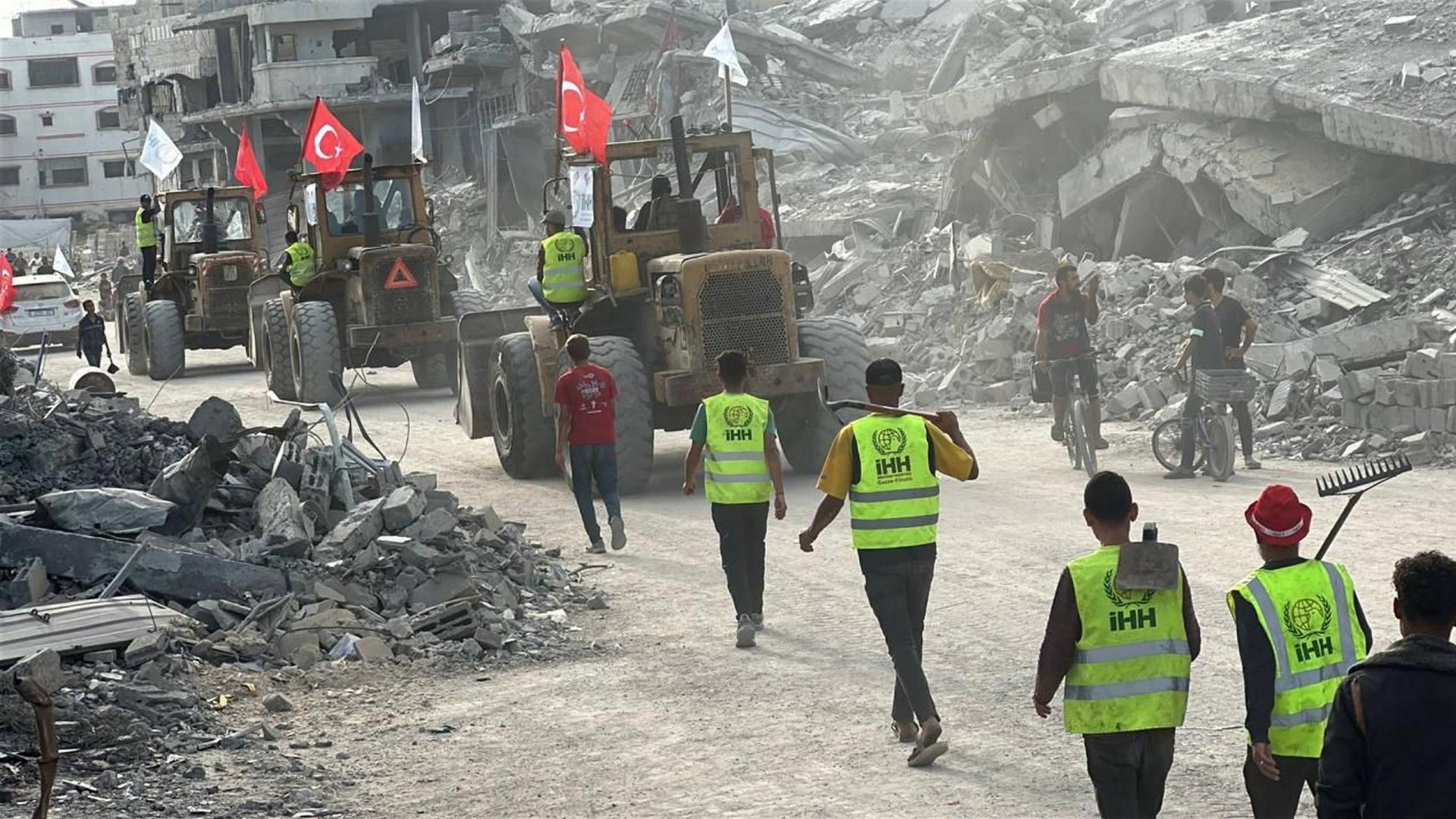
Countercurrents points out that Israeli bombardment has killed families like the Shaabans and destroyed campuses. This destruction has intensified claims by human rights groups, as reported by thewing.es, that Israel’s campaign amounts to genocide, a charge Israel denies.
Destruction of Gaza's Cultural Sites
The erasure of Gaza’s heritage deepens the charge that Israel is destroying not only lives but Palestinian cultural identity. The Globe and Mail lists near-total destruction of the Islamic University of Gaza, Al-Azhar University, and the Rashad Al Shawa Cultural Center. It also confirms the Akkad Museum’s complete loss of 2,800 rare artifacts.
“Key institutions such as the Islamic University of Gaza, Al-Azhar University, and the Rashad Al Shawa Cultural Center have been nearly destroyed. The Akkad Museum, housing around 2,800 rare artifacts, was completely lost… Residents have been attempting to salvage fragments and manuscripts from the rubble.”
Residents are digging through ruins to rescue manuscripts and fragments. Countercurrents points to shattered education infrastructure alongside mass civilian harm as hallmarks of Israel’s onslaught.
thewing.es reports that Israel denies accusations of genocide despite human rights condemnation. ABC News underscores the unprecedented scale of reconstruction required, which is evidence of how extensively Israel’s bombardment has wrecked the built environment.