Lebanon20 May, 20262 min read
Israel Katz Says It Prevents Hundreds Of Thousands From Returning To Southern Lebanon
This article is an automated aggregation of coverage from news outlets. Our editorials offer in-depth analysis curated by the NewsCord team.
Israeli official signals expansion of ground invasion in southern Lebanon to prevent mass returns. Israeli media coverage emphasizes images of displaced Lebanese returning as a truce takes effect.
Yellow line and displacement
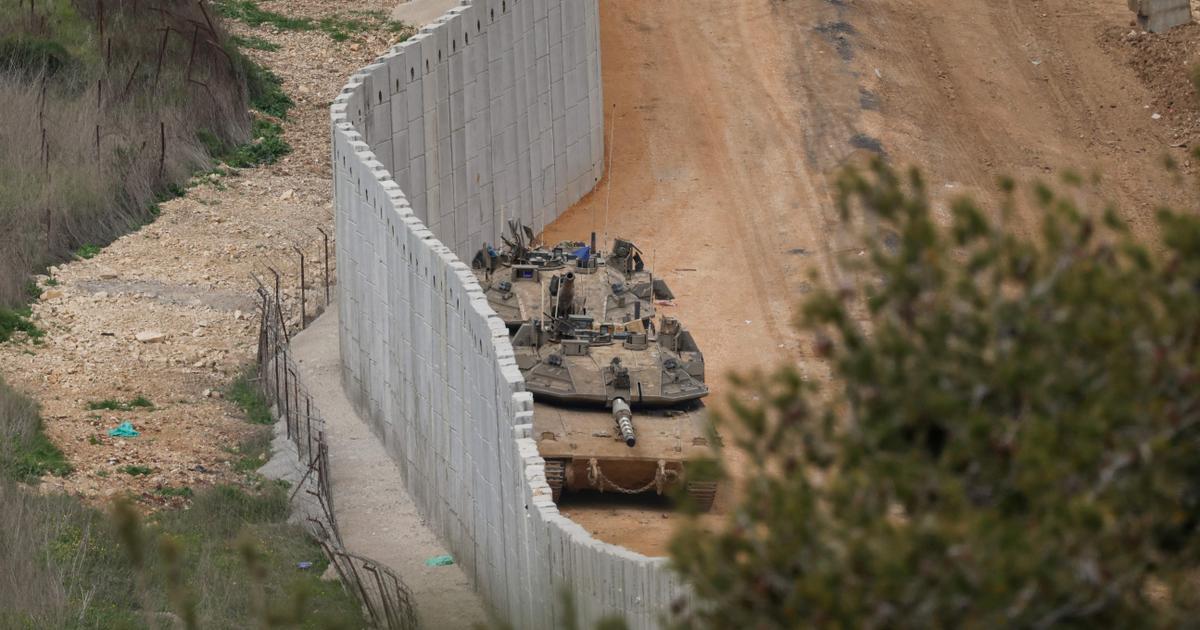
L’Orient Today describes how Israel’s “yellow line” cuts off a portion of southern Lebanon from the rest of the country, making it difficult for journalists to document events unfolding “on the other side” of the dividing line. The article frames the challenge around the “602 square kilometers — or 5.8 percent of the territory” that Israel has “amputated by fire,” and around the “200,000 inhabitants who lived there before the Israeli invasion on March 2.”
Al-Arabi TV correspondent Abd al-Qader Abdul-Halim reported that Israeli media coverage has focused on images of Lebanese displaced people returning after the reopening of the Qasmiya Bridge, which the Israeli army had bombed previously, causing a disruption to traffic between the river's banks. Abdul-Halim said this scene intersects with earlier remarks by Israeli Security Minister Israel Katz about preventing the return of “hundreds of thousands of displaced people to the south,” even as field reports showed partial returns in recent hours.
Negotiations split Lebanon
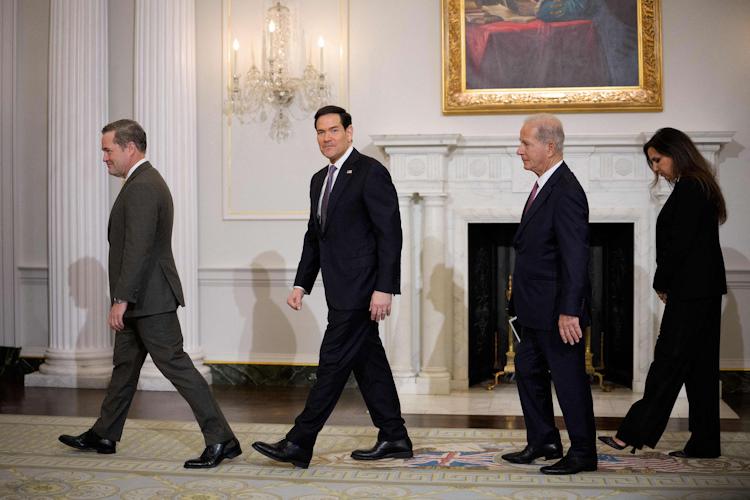
Al-Quds al-Arabi said Lebanese media mirrored a “vertically split division” among Lebanese over the option of direct negotiations between Lebanon and Israel, describing how MTV and the newspaper Nidaa al-Watan supported the preparatory meeting. In contrast, Al-Akhbar ran a front-page photo of President of the Republic Joseph Aoun and Prime Minister Nawaf Salam with the headline "The Regime of Shame Kneels in Washington," and wrote that the American-Israeli occupation authority “agreed to a statement adopting the enemy's stance toward the Resistance.”
Al-Manar, affiliated with Hezbollah, reported that “They wanted to make it a 'Tuesday of Shame' for Lebanon in Washington,” but said “the men of God turned it into a 'Tuesday of the Cave' in Bint Jbeil.” The same Al-Quds al-Arabi account said some on social media criticized TV channels—especially LBCI, Al-Jadeed, and MTV—for showing the Lebanese and Israeli flags together or the cedar and Star of David side by side.
Ceasefire, truce, and escalation
Al-Arabi TV reported that “Thursday, U.S. President Donald Trump announced a 10-day ceasefire in Lebanon, effective from midnight Thursday into Friday Beirut time,” as images of displaced people returned to towns in the south.
The correspondent said Israeli Security Minister Israel Katz’s remarks about preventing the return of hundreds of thousands of displaced people were followed by field reports showing partial returns, and that this discrepancy opened a debate within Israeli media about the gap between political rhetoric and on-the-ground reality.
Courrier international reported that a senior Israeli official cited by Axios said, “We will do what we did in Gaza,” while describing plans to expand Israel’s ground operation in Lebanon to take control of the entire area south of the Litani River and dismantle Hezbollah's military infrastructure.
Courrier international added that this could constitute the largest Israeli ground invasion of Lebanon since 2006, and said a position that had sought to confine operations changed after Hezbollah launched “200 missiles toward Israel” on Wednesday, March 11.