Gaza Genocide25 September, 20252 min read
Israel Kills 85 in Gaza Despite Global Calls for Ceasefire at UN Assembly
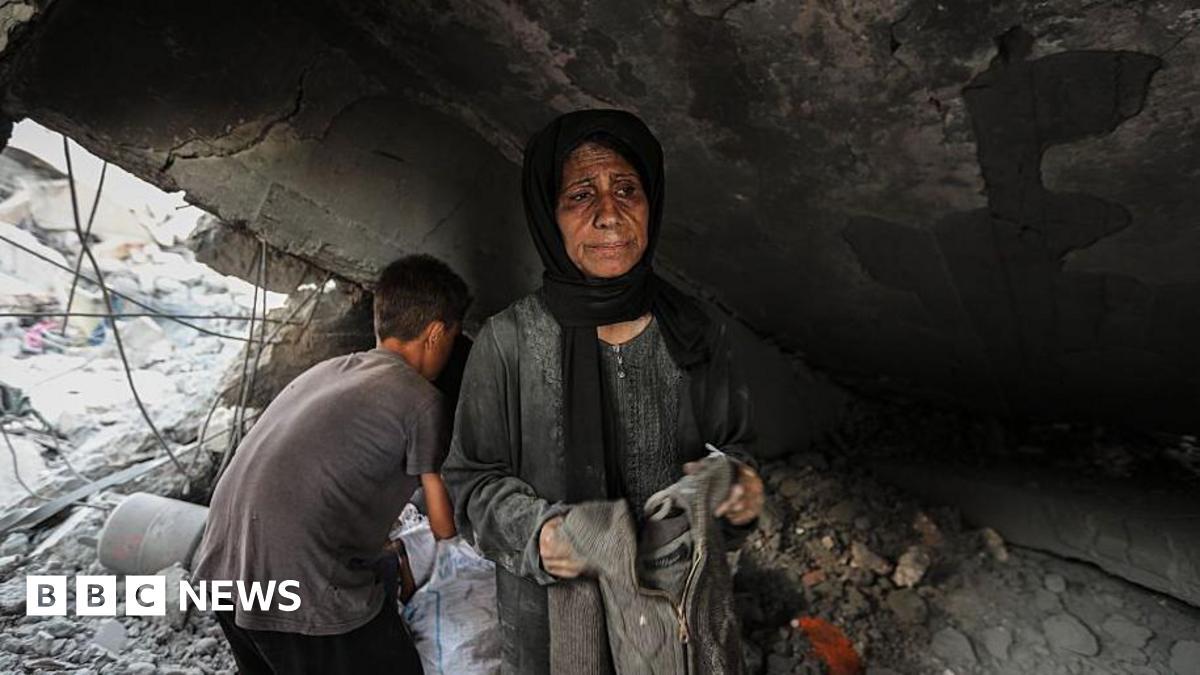
Israel killed at least 85 Palestinians in Gaza, including women and children, amid ongoing attacks. Global leaders at the UN General Assembly called for an immediate ceasefire, which Israel ignored.
19 outlets told this the same way.
Escalation and International Response in Gaza
The situation in Gaza has escalated dramatically, with Israeli military actions resulting in the deaths of at least 85 Palestinians in a single day. This sharp increase in casualties has drawn widespread international condemnation, particularly at the United Nations General Assembly, where leaders from countries like Iran and Syria have called for an immediate ceasefire.
“The UN condemned Israel’s military actions as terrorizing Gaza’s population and forcing mass displacement.”
Despite these calls, Israeli Prime Minister Benjamin Netanyahu has rejected ceasefires and peace proposals, continuing military operations that have led to mass displacement and severe humanitarian crises in Gaza. The UN has condemned Israel's actions as terrorizing the population and forcing mass displacement, with reports of famine and starvation due to a total aid blockade imposed by Israel.
&w=1920&q=75)
Humanitarian Crisis in Gaza
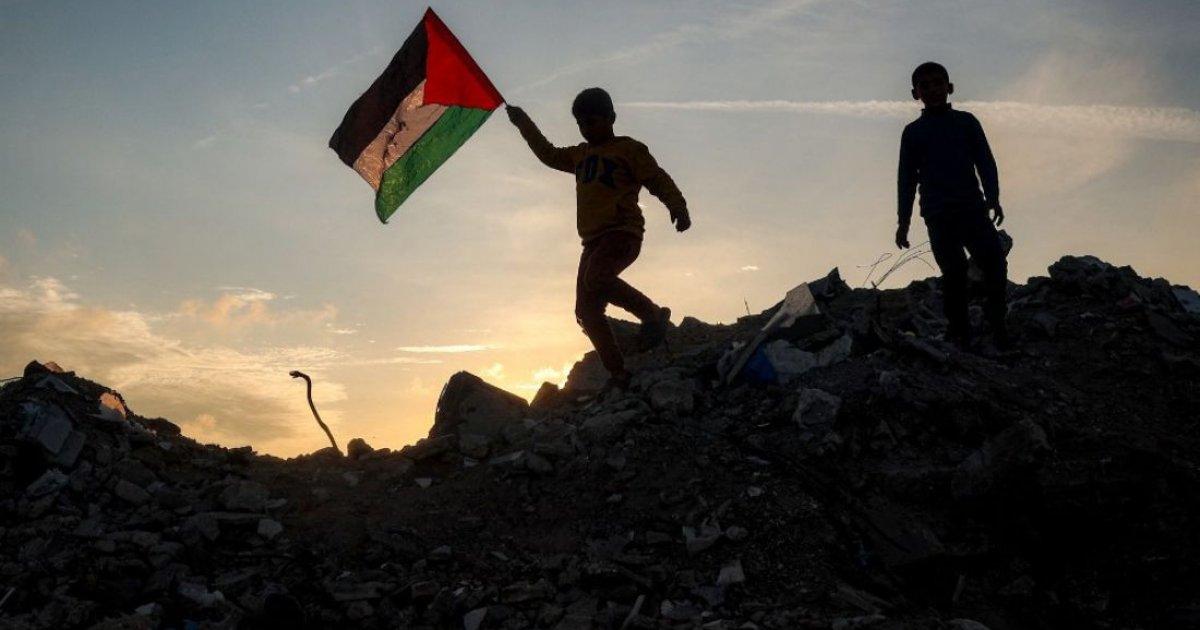
The humanitarian situation in Gaza is dire, with reports of widespread famine and starvation as a result of the Israeli blockade. The UN has reported over 65,000 Palestinian deaths since the conflict began, with thousands more injured and buried under rubble. The international community has expressed outrage, with some countries recognizing a Palestinian state in response to the crisis.
However, Israel continues its military campaign, urging residents to move south despite the risks involved. The situation has been described by some sources as a genocide, given the scale of destruction and loss of life.
Global Responses to Palestinian Recognition
International reactions have been mixed, with some Western countries, including France and the UK, recognizing Palestinian statehood as a symbolic gesture of support. This move has been met with strong backlash from Israel, with far-right ministers threatening annexation of parts of the West Bank.
“The article highlights a significant shift as more Western countries—including France, Britain, Canada, and Australia—officially recognize the state of Palestine.”
The recognition is seen by some as a challenge to Israel's legitimacy and a step towards its international isolation. However, skeptics argue that these recognitions are largely symbolic and do not address the immediate humanitarian needs in Gaza.
Media Challenges in Gaza Coverage
The role of media and journalism in covering the Gaza situation has been a point of contention. While international journalists face restrictions in entering Gaza, Palestinian journalists continue to report under dangerous conditions. The BBC highlights the risks faced by journalists in Gaza, noting that 248 Palestinian journalists have been killed.
Calls for press freedom and independent reporting have been made by various news organizations and countries. Israel denies targeting journalists, raising concerns about the ability to document and report on the humanitarian crisis effectively.
