Syria02 September, 20263 min read
Ehud Barak Says Israel Assassinated Muhammad Suleiman Adviser Near Tartus in 2008
This article is an automated aggregation of coverage from news outlets. Our editorials offer in-depth analysis curated by the NewsCord team.
In August 2008, Syrian General Muhammad Suleiman, adviser to Bashar al-Assad, was assassinated in Tartus. Shayetet 13 naval commandos carried out the operation near Tartus, killing Suleiman.
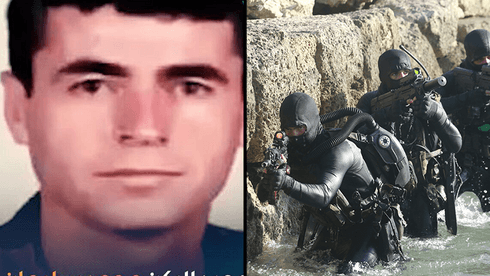
6 outlets told this the same way.
Outlets did split on Asad Al-Shaibani Meets Saddam Haftar in Benghazi Over Syrian Consulate And Missing Syrians →
Assassination in Tartus
Former Israeli Prime Minister Ehud Barak said Israel was behind the assassination of former Syrian president Mohammed Suleiman's adviser in 2008, describing it as “after an infiltration by a special sea unit and three sniper shots,” according to the Hebrew newspaper Yedioth Ahronoth.
Other accounts tie the killing to Syrian Brigadier General and Special Presidential Advisor Muhammad Suleiman, saying an Israeli commando force came ashore near the Syrian coastal city of Tartus on Aug. 1, 2008, and shot Gen. Muhammad Suleiman as he ate dinner at his seaside vacation home.

Ynetnews and Al-Jazirah Net both describe Suleiman as a senior adviser to then-Syrian president Bashar Assad, and they say he was shot in the head and neck and died shortly afterward.
The accounts also place the operation in the context of Israel’s earlier strike on the Syrian nuclear reactor in Deir el-Zour, with Ynetnews saying it was known in Israel as Operation Outside the Box and Al-Jazirah Net saying the reactor was destroyed in 2007.
Al-Quds al-Arabi adds that the operation took place in Tartus in 2008 and says the account Olmert disclosed in his memoirs described Israeli fighters emerging from the sea and approaching Suleiman’s house at night while he sat with guests on the balcony.
Olmert, Nasrallah, and documents
Ynetnews says Olmert confirmed in a new book that Israeli forces were behind the operation, and it quotes his description that “our fighters emerged from the water — skilled snipers.”
The same account says Syria kept quiet as suspicions focused on Israel, and it points to then-Hezbollah leader Hassan Nasrallah as one of the few senior figures to openly address the assassination.

Al-Jazirah Net says the Bashar al-Assad regime chose silence after Suleiman’s assassination and says the only one who addressed his killing was Hezbollah Secretary-General Hassan Nasrallah, who told journalists months later that Israel was responsible.
Al-Quds al-Arabi says the account aligns with what The Intercept published in 2015 based on confidential documents from the U.S. National Security Agency leaked by Edward Snowden, including a document that attributed the operation to the Israeli naval commando Shayetet 13.
Al-Quds al-Arabi also says a U.S. diplomatic cable later released by WikiLeaks described Syrian security agencies considering Israel the “most obvious suspect” and noted that the use of a sniper indicated the shooter knew Suleiman’s identity.
Nuclear program stakes
Multiple accounts frame Suleiman as central to Syria’s nuclear program, with Ynetnews saying Olmert described him as a driving force behind Syria’s clandestine nuclear reactor in Deir el-Zour. Daily Beirut says Suleiman was the architect of the Syrian nuclear reactor at Deir ez-Zor, while Al-Jazirah Net describes him as the “architect of the Assad regime’s nuclear program” and the liaison between Iran and Hezbollah. Al-Quds al-Arabi says Suleiman was linked to managing the Deir Ezzor nuclear facility and describes him as running what was called the regime’s “Shadow Army,” including files on transferring Iranian weapons to Hezbollah.
Arabi21 says the operation reopened the Suleiman assassination file about 18 years after it occurred, after Israeli avoidance of an official admission of responsibility, and it adds that the 2015 Intercept documents were considered the first official confirmation of the operation’s Israeli character. Al-Quds al-Arabi concludes that Suleiman’s assassination came less than a year after Israel destroyed the Syrian nuclear facility in Deir Ezzor in 2007, and it says the West Point Army’s Terrorism Center linked Suleiman to managing Syria’s nuclear program, calling the assassination a potential blow to Damascus’ ability to rebuild the program.