Lebanon03 March, 20262 min read
Israel Launches Ground Incursion Into Southern Lebanon After Hezbollah Rocket and Drone Attacks
Hezbollah launched rockets, missiles and drone swarms into northern and central Israel Israel sent ground forces into southern Lebanon and carried out widespread airstrikes
32 outlets told this the same way.
Outlets did split on Lebanon’s Judiciary Prepares To Apply General Amnesty Law No. 70, Judge Ahmed Rami Al-Hajj Says →
Israel–Hezbollah Clashes
Hezbollah fired missiles and swarms of drones toward northern and central Israel. Hezbollah said the strikes were in retaliation for what it called the killing of Iran's supreme leader. Israel replied with extensive airstrikes and a new ground push into southern Lebanon.
“Hezbollah launched long‑range strikes into central Israel on Tuesday — including three rockets toward Tel Aviv and the Haifa area — marking its first such attack since the start of the Iran war.”
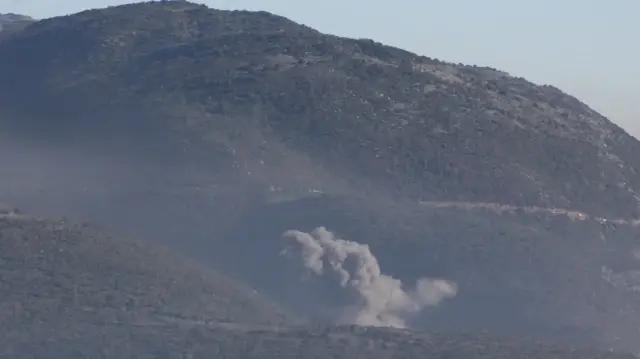
Multiple accounts describe early-morning explosions in Beirut's southern suburbs and cross-border rocket and drone launches toward Haifa, Tel Aviv and northern Israel. After those launches, Israeli forces moved into parts of southern Lebanon and the Israeli military said it was operating to seize terrain and stop cross-border fire.

Civilian harm and displacement
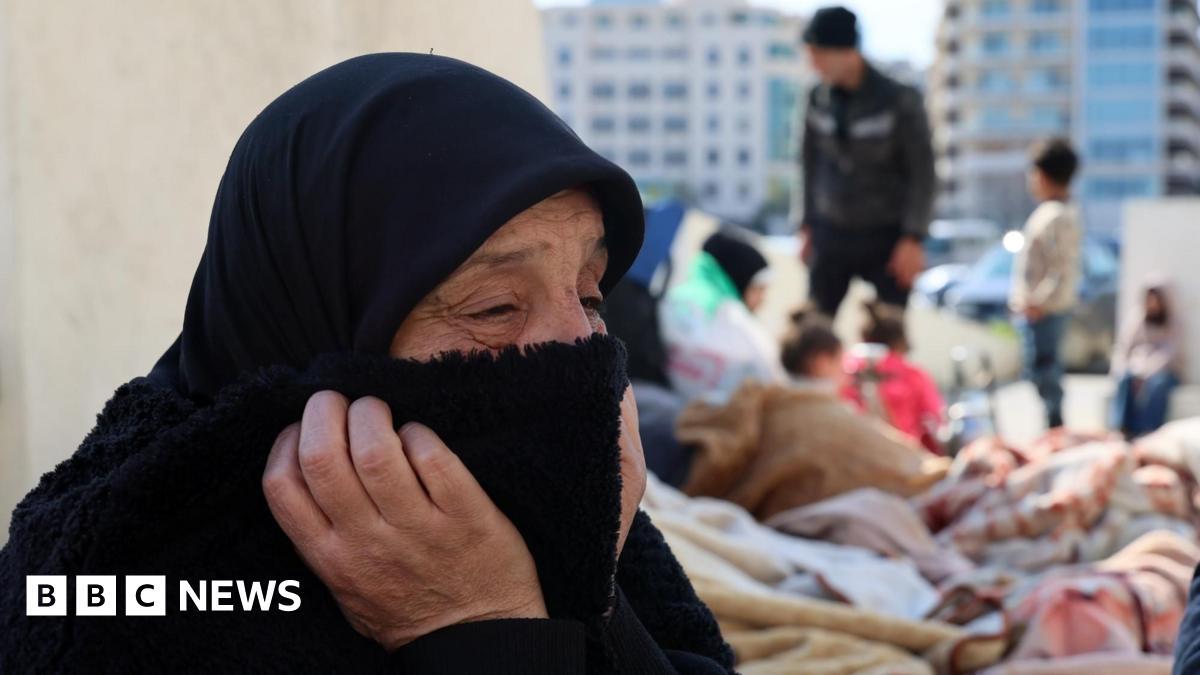
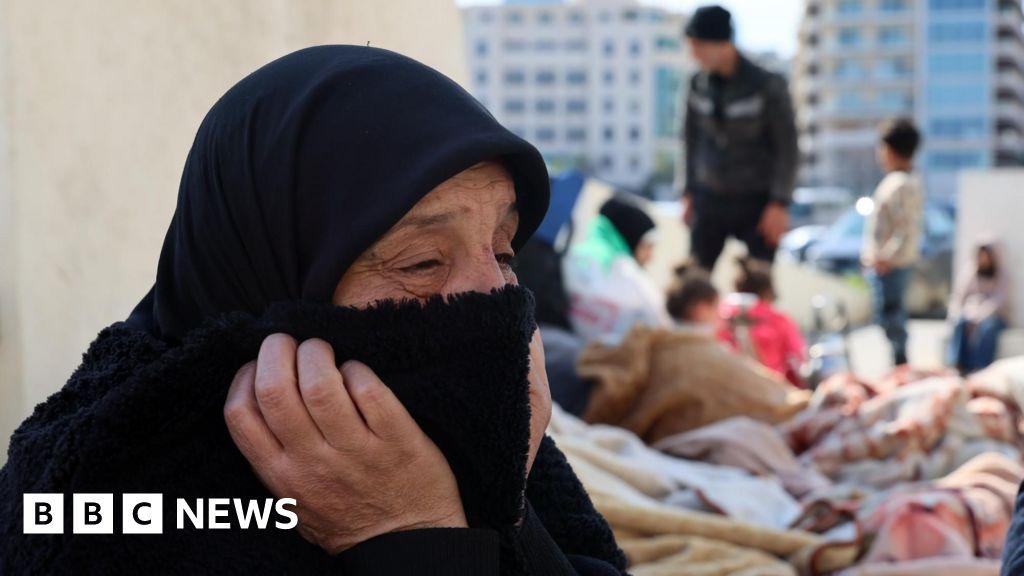
The fighting has produced significant civilian harm and displacement. UN agencies and local officials reported tens of thousands fleeing or sheltering in collective centres, schools and cars.
Initial Lebanese health ministry tallies and media reports recorded dozens of deaths and many more injured from Israeli strikes in Beirut and southern Lebanon. Videos and witness accounts showed buildings ablaze and long lines of evacuees on congested highways as people fled south Lebanon and parts of Beirut's Dahieh district.

Lebanon rebukes Hezbollah
Lebanon's government moved swiftly and unusually to rebuke Hezbollah, convening an emergency cabinet session that banned the group's military activity and ordered it to hand over weapons. The decision was publicly backed by Lebanon's president and prime minister, while Hezbollah condemned the move.
“Politically, President Michel Aoun backed the cabinet’s decision to immediately ban Hezbollah’s military activity, saying the move was ‘final’ and obliges the group to hand over arms, reaffirming that war‑and‑peace decisions rest with the Lebanese state.”
Lebanese leaders and ministers framed the step as an effort to prevent the country from being dragged into a wider war. Hezbollah vowed to continue resistance and dismissed the cabinet action as unjustified.
Israeli northern-front operations
Israeli officials and ministers described the incursions and strikes as tactical moves to degrade Hezbollah’s ability to threaten border communities. They said the actions were intended to prevent further attacks. They simultaneously mobilised substantial reserves and warned of broader targeting if Iran-linked elements in Lebanon remained.
Israeli defence and political officials said the operations aimed to seize forward positions. Israel announced major reservist call-ups and maintained observation posts across the border as part of heightened northern-front preparations.
Regional escalation concerns
The episode sits amid wider, contested regional reporting and raises risks of escalation. Some outlets and analysts described the strikes as part of an expanding Israel–Iran confrontation and framed Hezbollah’s action as retaliation for the reported killing of Iran’s supreme leader. Others flagged that the killing had not been independently confirmed and warned many claims remain unverified.
“Hezbollah said it attacked in response to what it called the killing of Iran’s Supreme Leader Ali Khamenei and to ongoing Israeli violations of Lebanon — the reported killing has not occurred.”
Observers cautioned the dynamics could draw in other proxies and states. International actors urged restraint even as air defences and regional alerts rose.