Full story
Rome talks set
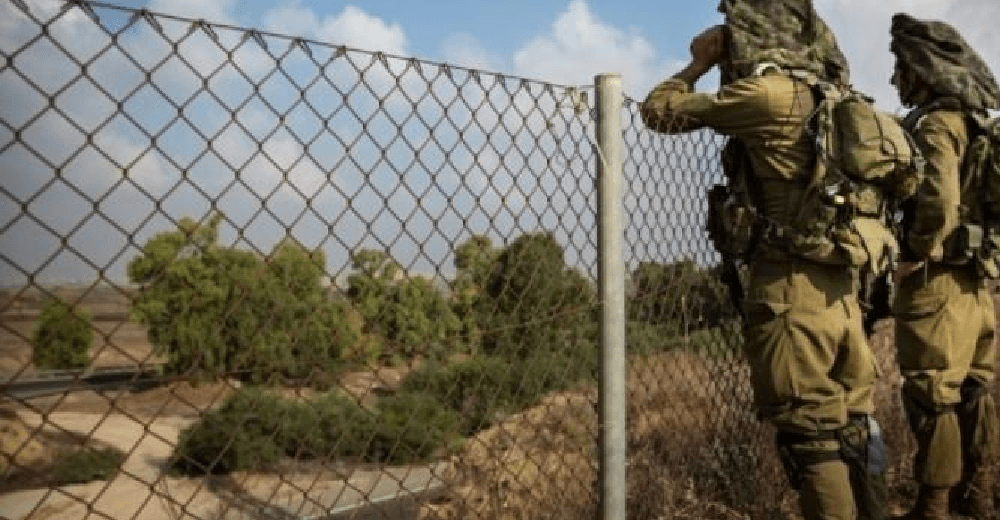
Diplomats and technical teams from Israel, Lebanon, and the United States are scheduled to convene in Rome next week to evaluate expanding the pullback of Israeli military forces in southern Lebanon and address long-standing land border disagreements.
The upcoming round of American-brokered trilateral discussions will run from August 4 to August 6 in the Italian capital, with technical groups focusing on advancing the full implementation of the framework agreement.

A State Department official told Axios that negotiations have gathered "significant momentum" following the rollout of an initial pilot security zone in southern Lebanon and Lebanese President Joseph Aoun’s White House summit with President Donald Trump last week.
The framework announced on June 26 provides for a phased Israeli withdrawal from all occupied Lebanese territory alongside the deployment of the Lebanese army within two designated "pilot zones," but execution remains conditional upon the total disarmament of Hezbollah, which has rejected the framework and underlying bilateral peace talks.
Aoun warns of derailment
Lebanese President Joseph Aoun appealed on Monday for international pressure to halt Israeli military operations in southern Lebanon, saying continued strikes, demolitions and attacks on religious sites were jeopardising implementation of a US-backed security agreement.
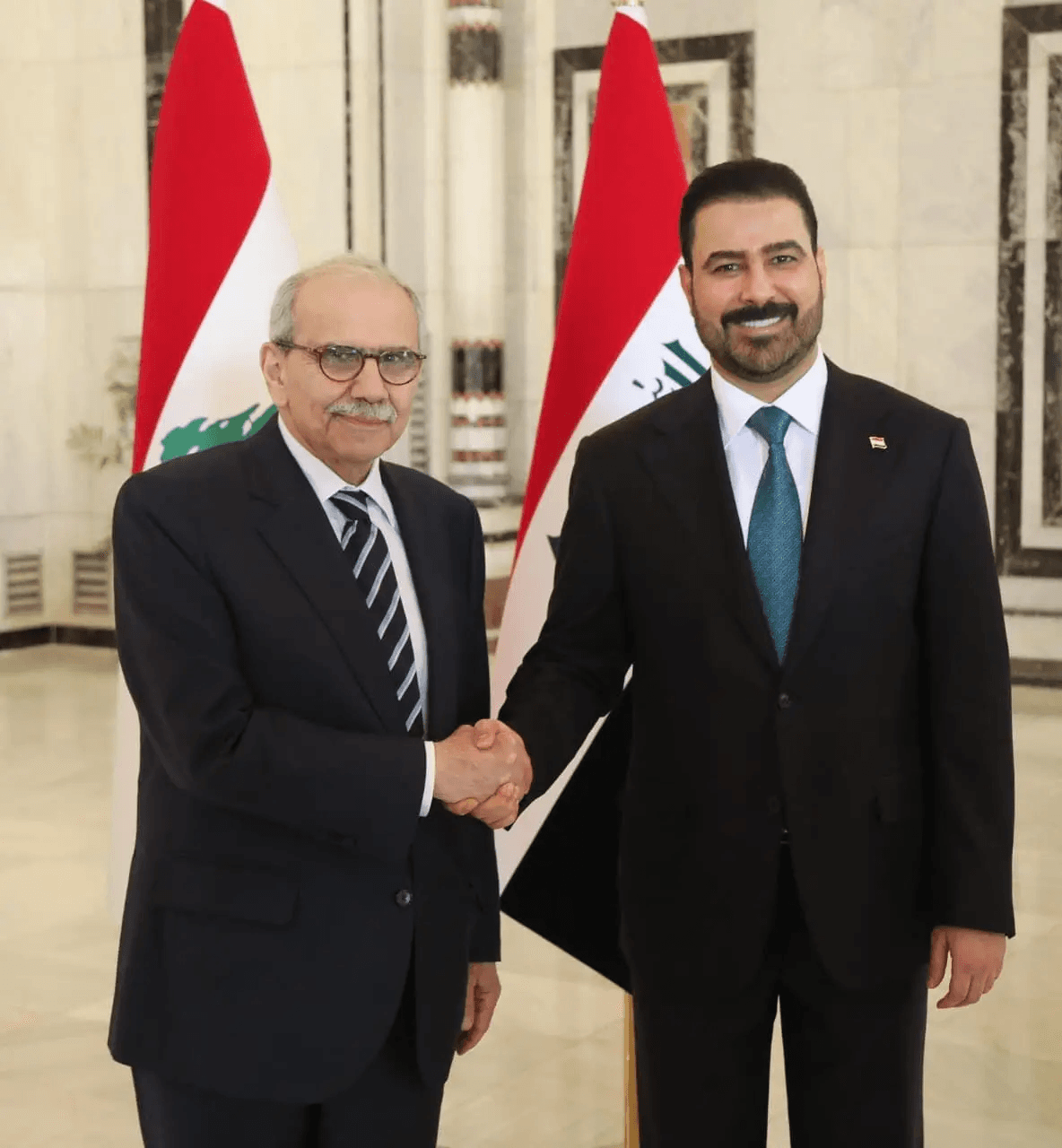
Meeting UN High Commissioner for Human Rights Volker Turk in Beirut, Aoun said Lebanon remained committed to carrying out the framework agreement but warned that ongoing Israeli military activity threatened to derail the process.
The Lebanese presidency said Aoun described Israel’s demolition of homes and villages in southern Lebanon as a direct violation of human rights and international law, calling for international action to stop the operations.
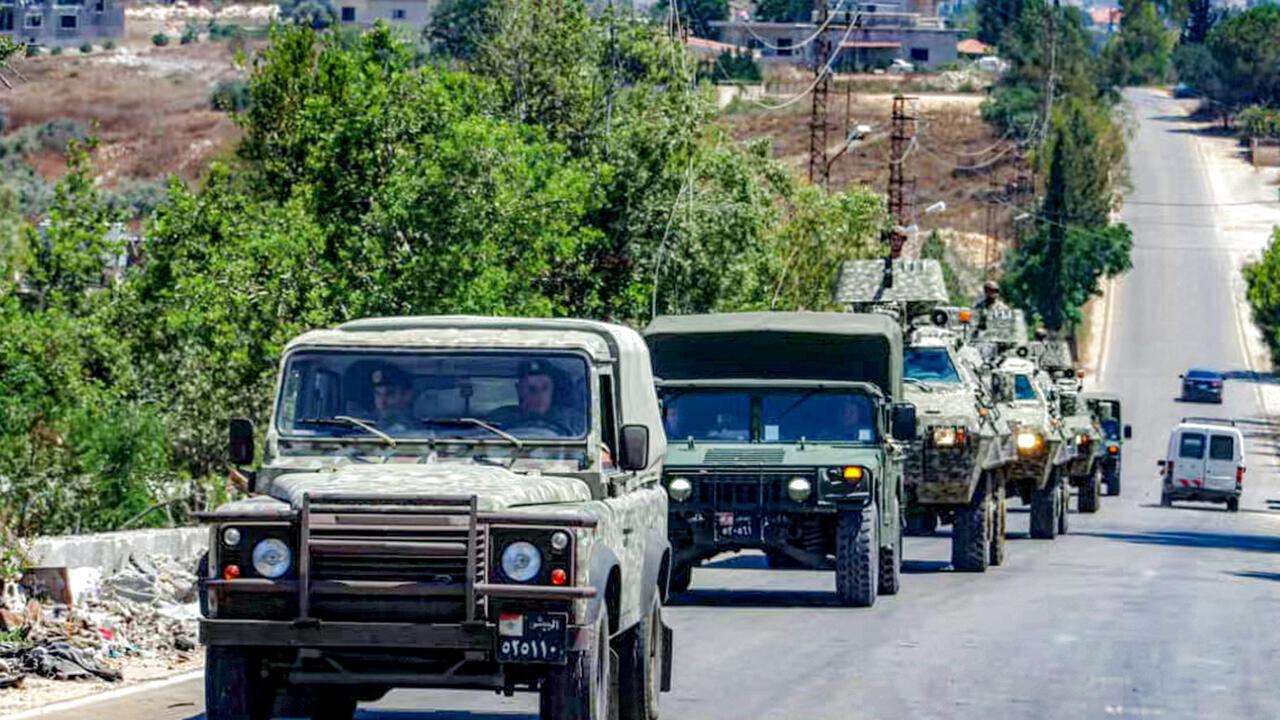
The Lebanese army said Israeli shelling, gunfire and continued destruction in southern Lebanon were preventing it from completing its planned deployment and delaying the return of civilians to affected villages, while it said it was continuing its deployment in Zawtar al-Gharbiya, one of the first pilot zones covered by the agreement.
Disarmament and regional risk
The US-led talks in Rome are framed by the State Department as a path to stability that depends on verifiable disarmament, with the official saying the active pilot program in southern Lebanon serves as a critical testing ground to re-establish Lebanese government control.
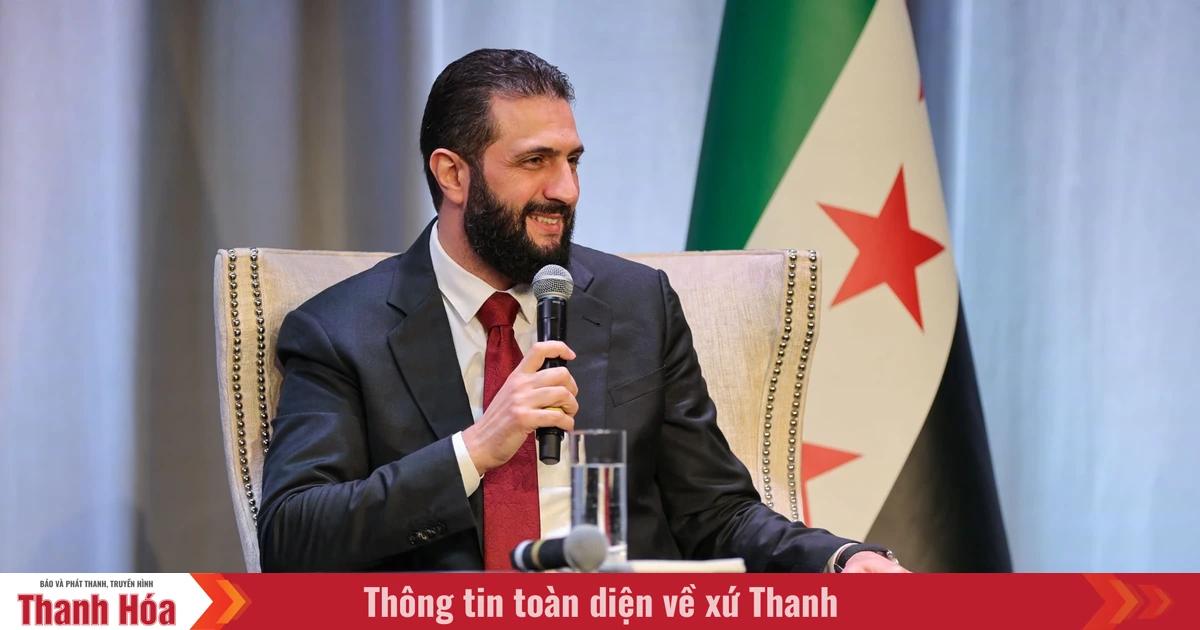
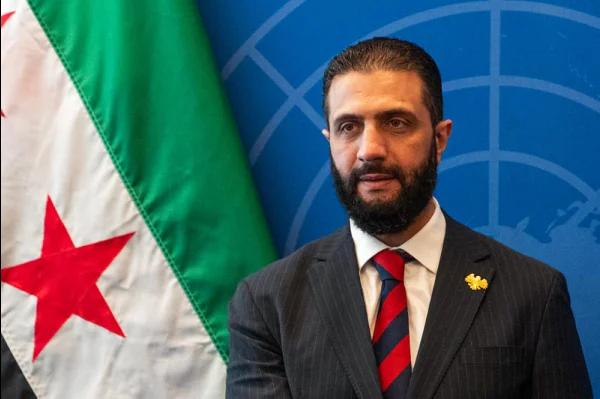
“Syria does not seek confrontation with Israel and is working toward a security agreement with the Jewish state, said interim president Ahmed al-Sharaa during an interview”
The State Department official emphasized that the pilot program is "an opportunity to deliver real progress on the ground, restoring Lebanese state authority" through the verifiable disarmament of terrorist organizations, and said lessons learned from early field deployments will shape subsequent phases of the security strategy.
In parallel, the Anadolu Ajansı report cited official Lebanese figures saying Israeli attacks in Lebanon since March 2 have killed 4,328 people and injured 12,232 others, underscoring the scale of the conflict as the framework is pursued.
Syria’s interim president Ahmed al-Sharaa told Al Jazeera that "We have no intention of carrying out any military intervention in Lebanon," while also saying Syria is working toward a security agreement with Israel and that unrest in Lebanon directly affects Syria and could destabilize the region further.