Full story
Framework signed in Washington
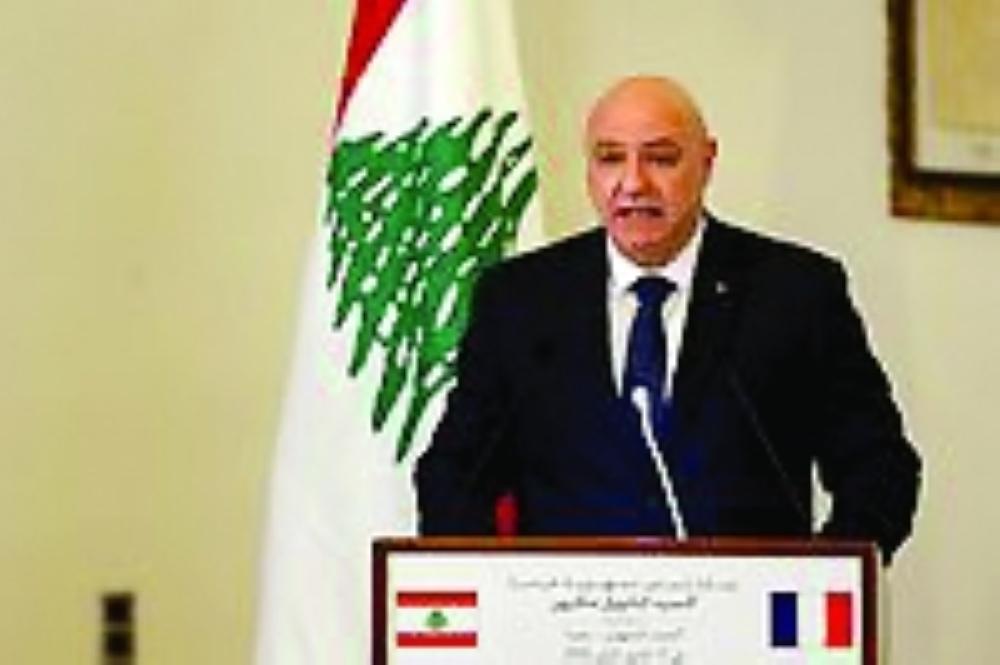
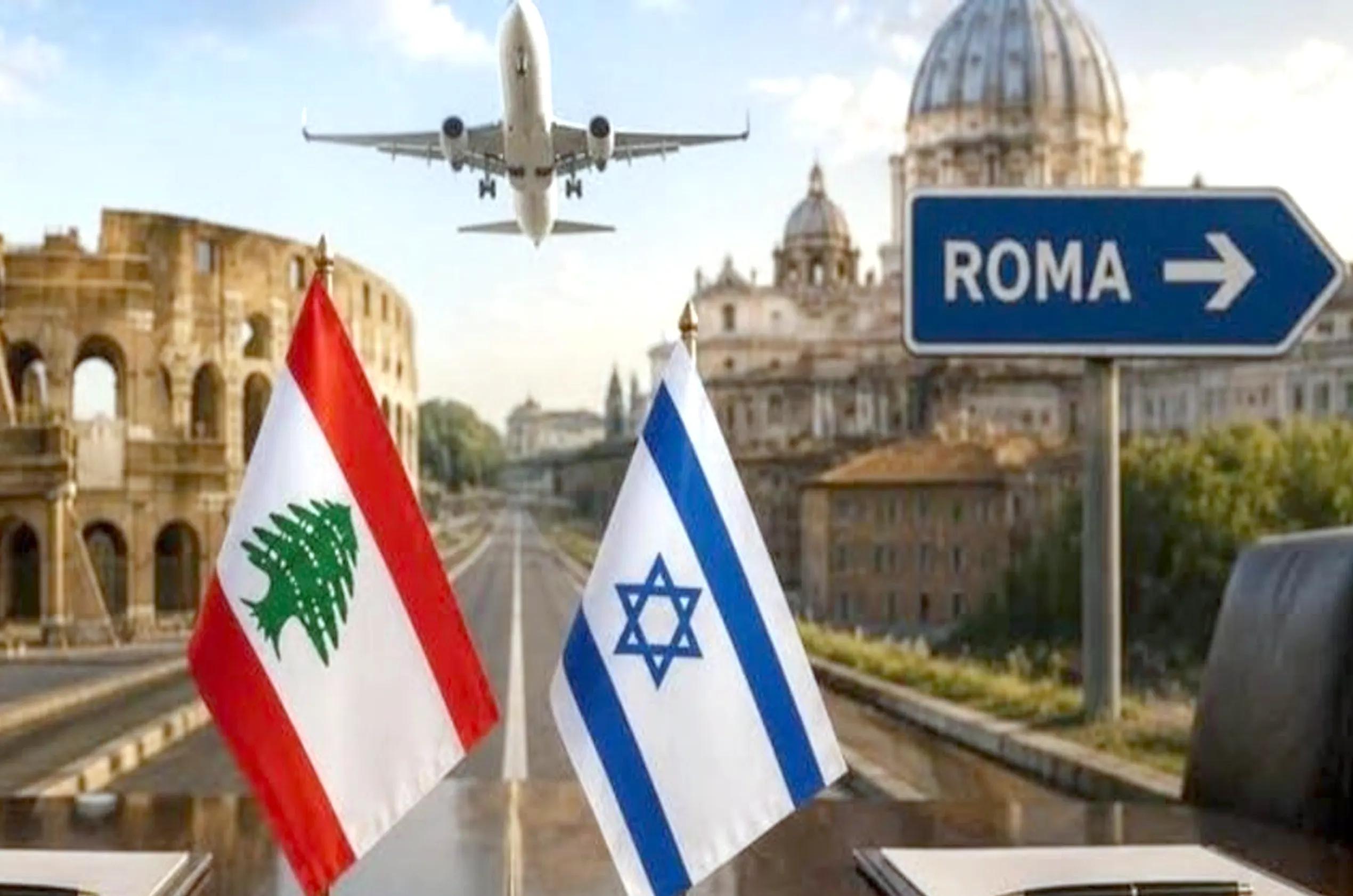
A framework agreement between Israel and Lebanon was announced after negotiations in Washington on 26 June, with U.S. Secretary of State Marco Rubio saying, "This is only the beginning. Israel and Lebanon still have a long way to go."
“Report What has been dubbed the Lebanese–Israeli Framework Agreement represents a dangerous shift aimed at reconstituting American–Israeli tutelage over Lebanon and subordinating its sovereign decision to new calculations that Israel failed to impose by military force”
The Caspianpost account says the 14-point agreement affirms each other’s right "to live in peace" and includes a provision that "all aggressive or subversive actions in international and judicial forums must cease."
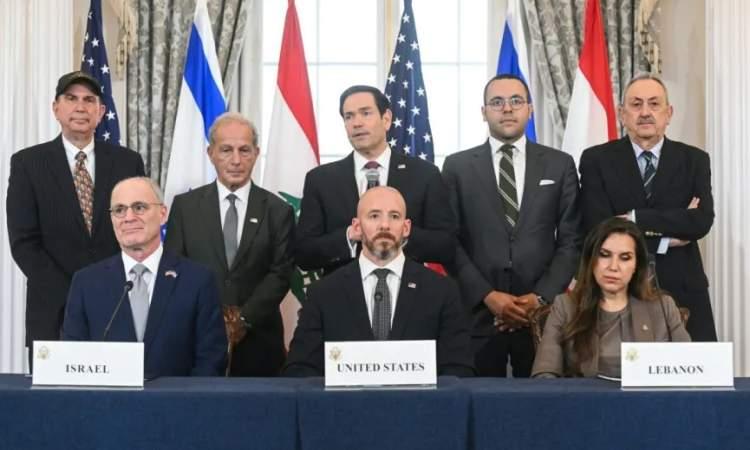
It also says the document provides for the Lebanese Armed Forces to restore control over the entire territory "until the verified disarmament of non-state armed groups" and calls for two pilot zones where the Israel Defense Forces will withdraw and hand responsibility to the Lebanese Army.
In that same account, Rubio links the framework to security concerns, saying attacks in Israel’s north were launched from Lebanese territory by an external force seeking to use Lebanese territory to attack civilians.
The Caspianpost text adds that one pilot zone would be located north of the Litani River and another south of it, while it also notes that Israel would not withdraw its forces from the Beaufort area and that residents of southern Lebanon would not yet be permitted to return to their homes.
Hezbollah rejects, calls it void
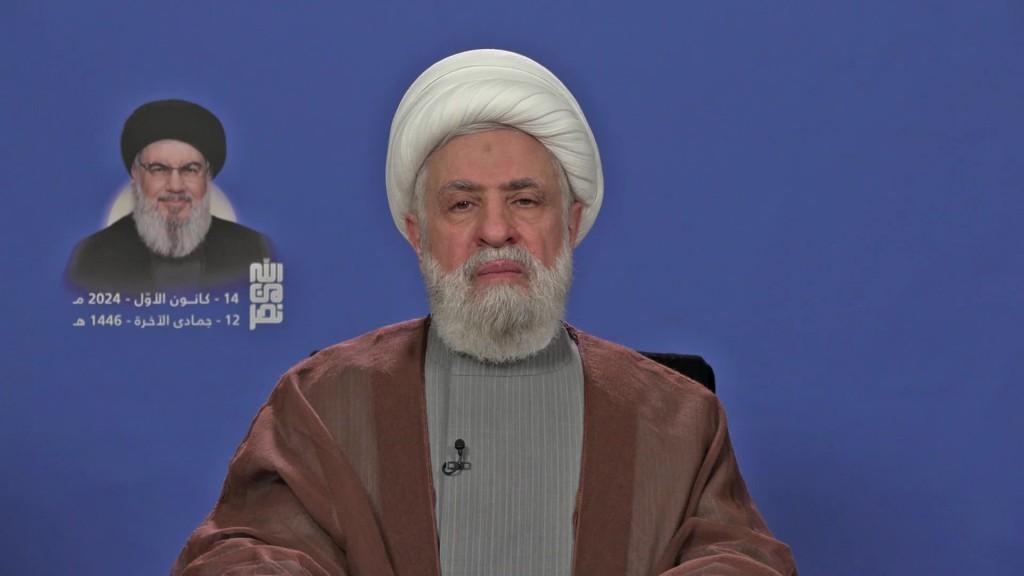
Hezbollah’s Secretary-General Sheikh Naim Qassem rejected the framework agreement, with Sky News Arabia saying Qassem called it "a humiliation, a disgrace, and a surrender of sovereignty" and said it is "nonexistent."
In the same Sky News Arabia account, Qassem said any attempt to link Israel's withdrawal from southern Lebanon to the disarmament of Hezbollah crosses "all red lines."

Al-Manar TV Lebanon instead quoted Sheikh Qassem calling on the Lebanese government to withdraw from the framework agreement, saying, "we will not be drawn into strife, but will not allow anyone to target us."
Al-Manar TV Lebanon also framed Qassem’s position as a defense of Lebanon’s sovereignty and human rights, stating that "our voice will remain strong in defense of Lebanon’s sovereignty and human rights."
Across the accounts, Qassem’s rejection is tied to his insistence that the Iranian-American memorandum of understanding should replace the Washington framework, and that the resistance will continue in the field to defeat it.
Disarmament, pilot zones, and return
The framework agreement described by Caspianpost says the Lebanese Armed Forces must restore control over all territory "until the verified disarmament of non-state armed groups" and that two pilot zones would be used for phased Israeli redeployment.
Caspianpost adds that Israel will not withdraw from the Beaufort area and that residents of southern Lebanon will not yet be permitted to return to their homes, while it says the Lebanese Army would dismantle terrorist infrastructure within the pilot zones if implementation satisfies Israel.
In Hezbollah’s rejection, Qassem argued that the framework would deprive Lebanese people of the right to return and could lead to "the annexation of Lebanese lands into the Zionist entity," according to Islam Times.
Islam Times also quotes Qassem questioning the Israeli enemy’s involvement in Lebanon’s internal affairs, asking, "What is the Israeli enemy's involvement in our internal affairs in Lebanon?"
Islam Times further says Qassem described Netanyahu as allowing the Lebanese army to be empowered in two experimental areas while the enemy monitors deployment and disarmament steps, and it says Qassem warned that the experimental period could extend for months in the two areas.