Full story
Naqoura razed, people displaced
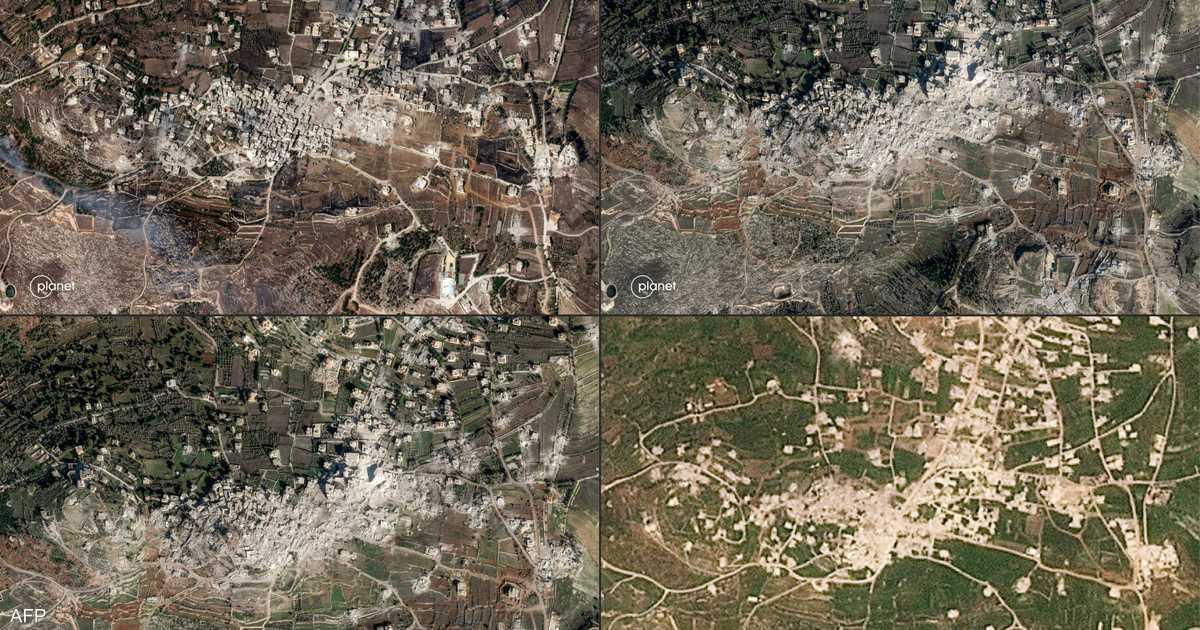
In February 2025, Ali stood outside his house in Naqoura, in southern Lebanon, pointing at a crack in the foundation and fruit trees pulled up by the Israeli military, after the Israeli military had withdrawn from the town as part of a ceasefire agreement.
“Beirut, Lebanon – In February 2025, Ali stood outside his house in Naqoura, in southern Lebanon, and pointed at the crack in the foundation and fruit trees pulled up by the Israeli military”
More than a year later, Al Jazeera says Israel has completely razed the area of Naqoura, and forced Ali to flee when the Israelis invaded again in March, as he traded his garden and family home by the sea for a room on a rooftop in the heart of Beirut.

Al Jazeera reports that on March 2 Israel intensified its war on Lebanon for a second time in less than two years, responding to Hezbollah firing rockets by re-invading southern Lebanon and striking targets all across the country.
Since then, Al Jazeera says Israel has killed 4,257 people in Lebanon and wounded more than 12,000 more, while more than 1.2 million people were displaced at the peak of Israel’s attacks.
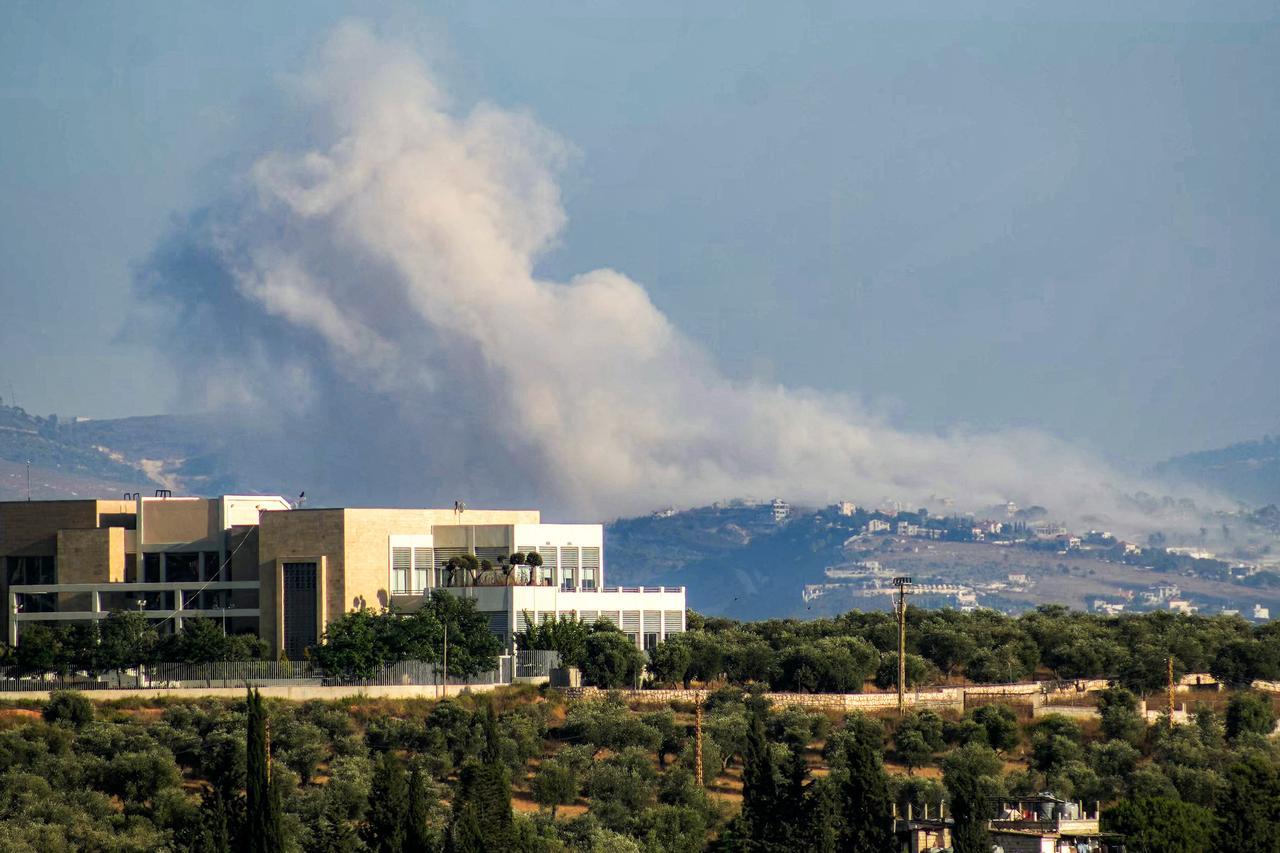
The BBC, meanwhile, describes a separate but related pattern of continued violence after the announced Tehran–Washington agreement, saying drone attacks by Israel targeted three vehicles in southern Lebanon on Tuesday, killing four people and wounding others.
Threats, returns, and ceasefire strain
The BBC reports that the Iranian army threatened to respond to Israel after airstrikes in southern Lebanon killed five people, with the Khatam al-Anbiya Headquarters saying, "If the Zionist regime's army, the child-killer, does not put an end to its evil in southern Lebanon, it should expect a harsh response."
The same BBC account says the Israeli army said it carried out an air strike after spotting a suspicious vehicle in an area where its soldiers were present, and noted that its forces intercepted several rockets fired at Israeli soldiers in southern Lebanon.
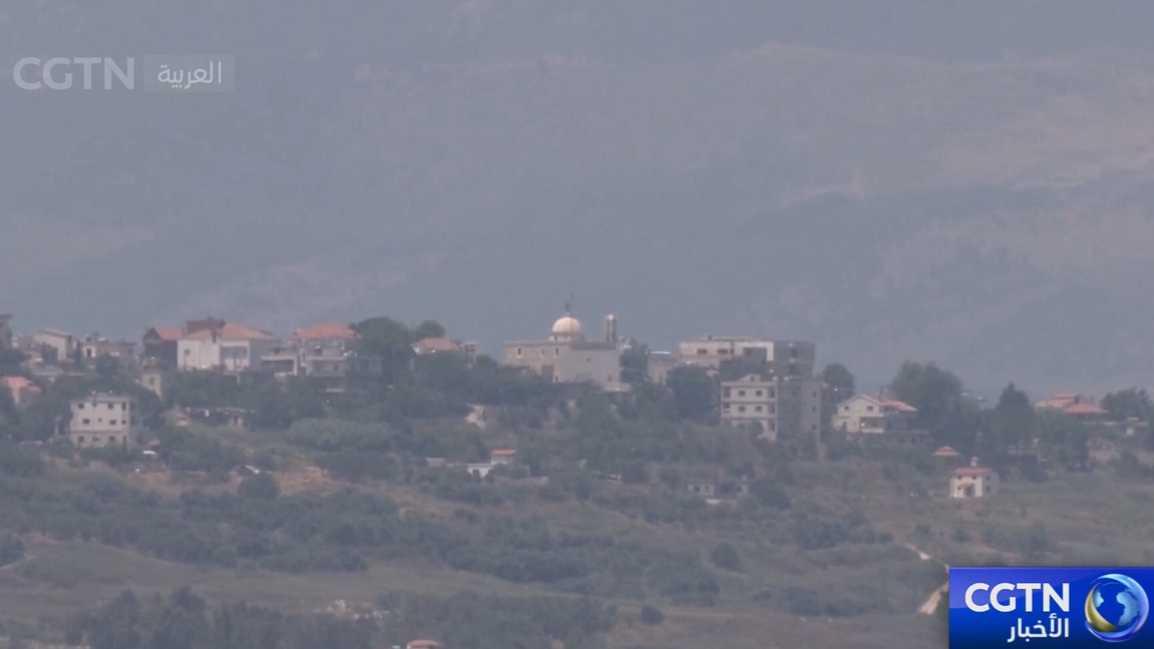
In the BBC’s interviews with Lebanese citizens returning to the south, one citizen told Middle East Diary that, "My family and I returned to the south, and many other families did the same."
Al Jazeera frames the psychological impact of the fighting through Basma Alloush of the International Rescue Committee, who told Al Jazeera that "When a village is flattened, and even the landmarks around it are gone, people lose more than their homes."
Al Jazeera adds that Ali said he would fix what was left behind, but it describes how thousands like him now face an unclear future after villages are razed and people are displaced again.
What happens next in Lebanon
Euronews reports that Iranian Foreign Minister Abbas Araghchi said on Tuesday that an end to the conflict would be incomplete "without the withdrawal of Israeli forces from the territories they have occupied during this war."
“Ahmed Atef (Beirut) Ahmed Atef (Beirut) The Israeli attacks on southern Lebanon continued despite the framework agreement reached between Beirut and Tel Aviv, mediated by the United States”
Euronews also says Israeli Prime Minister Benjamin Netanyahu reiterated on Monday that his country's forces would stay in Lebanon "as long as necessary," even as it describes Israeli strikes killing at least five people since Monday.
In Al Jazeera’s account, the International Rescue Committee’s Basma Alloush warns that psychological distress can deepen when people eventually return to villages that have been flattened, because "That kind of grief has nowhere to land, because the past itself feels erased along with the place that held it."
Al Jazeera says Israel currently occupies approximately 6 percent of Lebanese territory and that a recent agreement signed between Tel Aviv and Beirut seems to indicate that Israeli troops will not be abandoning their positions anytime soon.
The BBC adds that a portion of the displaced began checking on their towns and villages, while the Lebanese army and Hezbollah urged residents to "be patient" and warned of the risk of Israeli violations and attacks.