Iran · 15 August, 2026 · 3 min read
Jerusalem Post Says Israel Shocked as Iran Rebuilds Ballistic Missile Arsenal After Early-2026 War
Iran rapidly rebuilt its ballistic missile arsenal months after the early-2026 war. Israeli defense officials, including IDF and Mossad, were shocked by Iran's speed of recovery.
Al Jazeera questions US claims.
7 of 8 outlets skipped it: US-produced figure: 300 missiles at most per year (claiming comparison).
11outlets compared
Same story, two versions
tap a side to read it in full
The Jerusalem Post
“Israeli defense officials have been shocked by the speed of Iran’s recovery”Read the original ↗
One outlet attacks the destruction claim; others stress rapid Iranian rebuilding.
Missiles rebound after war
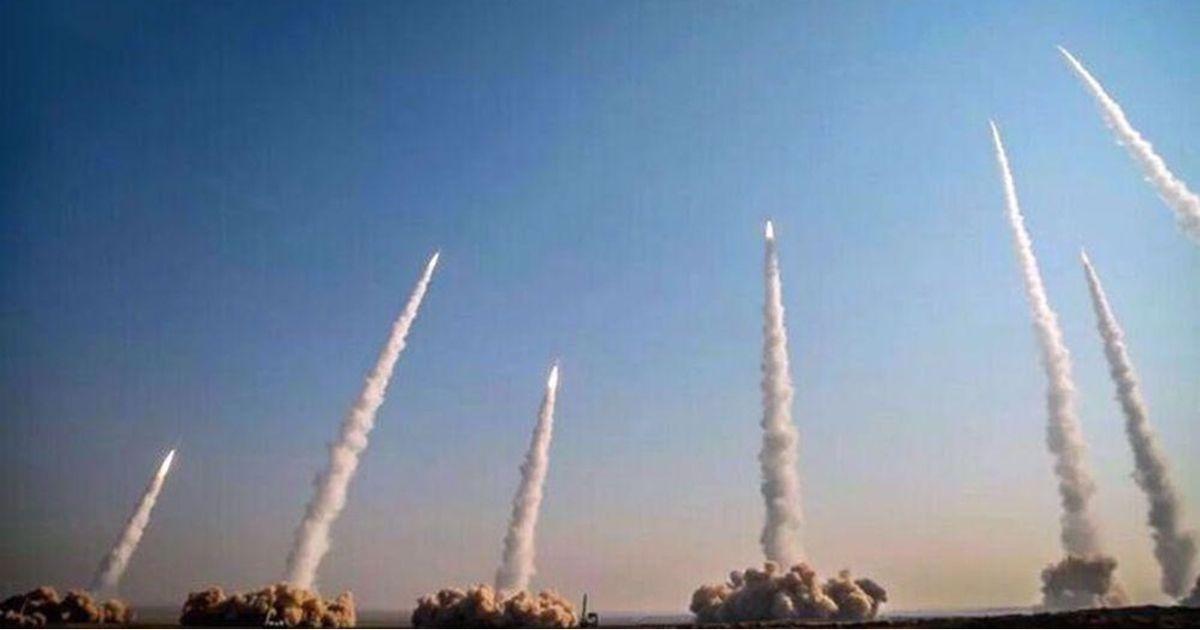
Israeli defense officials have been shocked by Iran’s rapid recovery after the early-2026 war, with The Jerusalem Post saying the turnaround includes the ballistic missile threat. The Jerusalem Post reported that what was estimated as around 1,300 missiles in June 2025 became 2,500 by February, and that during the roughly 40-day war Israel and the United States attacked more than 2,600 missile and industrial-military targets.T
“What was estimated as around 1,300 missiles in June 2025 became 2,500 by February of this year.”
The Euronews report, citing the Jerusalem Post, said the Israeli army had been evaluating the results of strikes aimed at weakening Iran’s capabilities, but that new Israeli assessments indicate Iran’s recovery pace was faster than expected, led by ballistic missiles. TEuronews also framed the scale of the campaign as operations targeting more than 2,600 missile and industrial-military sites, with the United States and Israel conducting tens of thousands of strikes against Iran, while estimating damage to Iran’s military sector at about $300 billion.

Israeli shock, competing claims
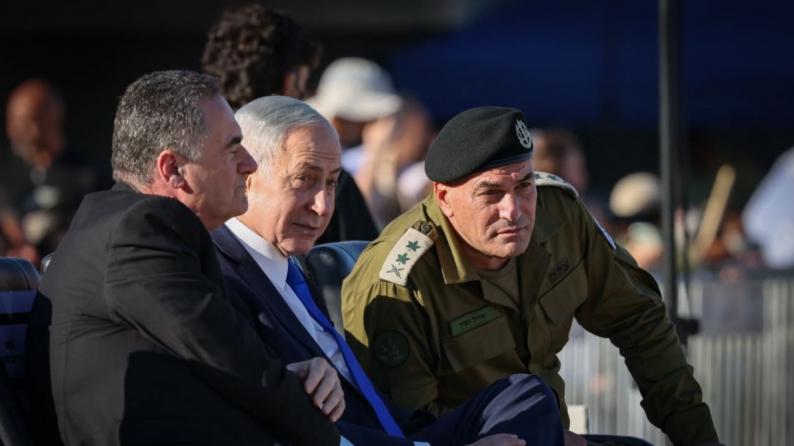
Euronews reported that senior officials in the Israeli defense establishment have begun to acknowledge that Tehran devised methods to focus on rebuilding its missile arsenal and other military capabilities, and said Israeli army and Mossad officials expressed astonishment at how quickly Iran managed to regain large parts of its military capabilities. The Jerusalem Post said the IDF was already surprised by Iran’s rapid recovery twice before—after October 2024 and January 2025—and described how the IDF claimed it had set back Iranian future missile production by a year or more after striking 20 critical ballistic missile and industrial military targets in October 2024.T
Euronews also described how the New York Times had previously reported that Iran used bulldozers to reopen underground and rubble-covered “missile cities” far faster than Israel had expected, while noting that the measure was limited to regaining access to weapons that were not destroyed originally. In the same reporting thread, the Jerusalem Post said the IDF and the US together said they achieved their goal during the around 40-day war in 2026, with over 2,600 missile and industrial military targets attacked and both the US and Israel collectively attacking Iran around 30,000 times.T
What comes next for Israel
The Jerusalem Post said the debate in Israel has shifted from “How many missiles remain?” to “How rapidly is the arsenal being rebuilt?” after new information suggested Iran can speedily rebuild ballistic missile production. TIt reported that if Iran can return to manufacturing 100-300 missiles per month, it could restore its arsenal to June 2025 levels by early to mid-2027 and might become a prohibitive threat in 2028.
Euronews similarly said the question for Israel is no longer how many missiles Iran had after the war, but how quickly Tehran can rebuild its arsenal and make up for what it lost, and that weakening these capabilities in the future would require expanding the scope of targets to include a much larger number of critical sites. Euronews added that the New York Times report on bulldozers was framed as restoring access to weapons that were never destroyed, only blocked, while the Jerusalem Post said it had independently confirmed statements by senior Iranian officials that Iran is producing new weapons again at a much faster pace than expected.T