Iran13 August, 20263 min read
IRGC Aerospace Force Says Iran’s Air Defense Deliveries Continued After US-Israeli War
This article is an automated aggregation of coverage from news outlets. Our editorials offer in-depth analysis curated by the NewsCord team.
IRGC Aerospace Force says air defense production and deliveries continue. Equipment recovered from US and Israeli drones and a fighter jet was displayed.
PressTV was read line by line by the Watchdog: 1.5. See the score →
IRGC touts uninterrupted air defense
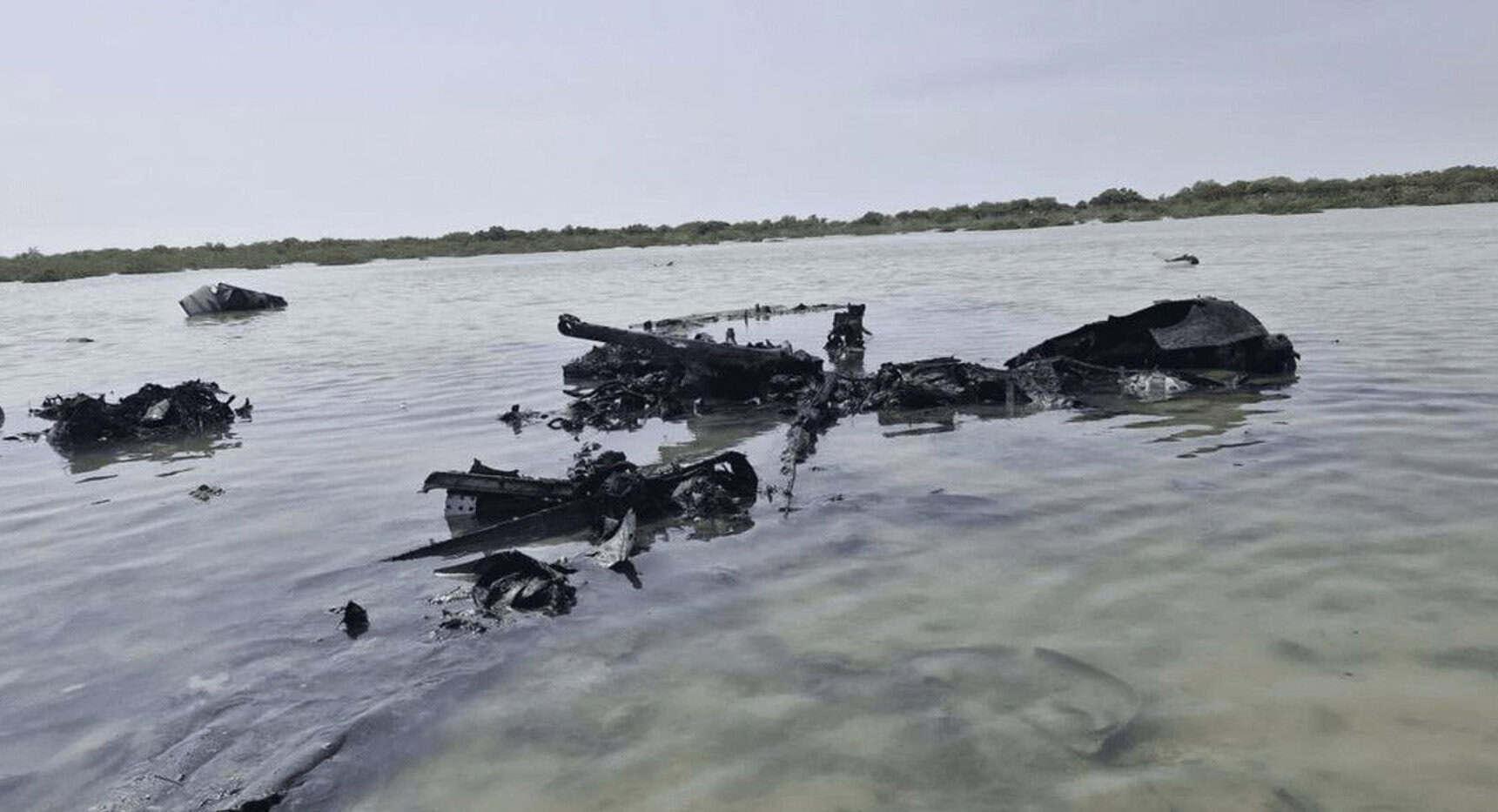
A senior officer of Iran’s Islamic Revolution Guards Corps (IRGC) Aerospace Force said production and delivery of Iran’s air defense systems have continued without interruption following the 40-day US-Israeli war of aggression. In an interview with Islamic Republic of Iran Broadcasting (IRIB) recorded at one of the IRGC’s underground bases and aired Friday, the officer said, “Fortunately, there was no disruption in the production or delivery of air defense systems,” and added that more than 85 percent of the production infrastructure was preserved. The IRIB interview also displayed large sections of US and Israeli drones, including the MQ-9 Reaper, Hermes 900 and Hermes 450, along with technical equipment from an MQ-9 and the US F-15 fighter jet that Iran said were intercepted by indigenous defense systems during the war.
The officer pointed to an American F-15 fighter jet hit by an Iranian missile on April 3 during an operation carried out by the IRGC Aerospace Force’s air defense units, saying the pilot had “only enough time to eject” and had no opportunity to use countermeasures. He said 171 airborne targets were hit during the 40-day war, including 10 manned aircraft, and said the unjustified US-Israeli aggression began on February 28 and ended with a ceasefire on April 8.
US Reaper losses strain inventories
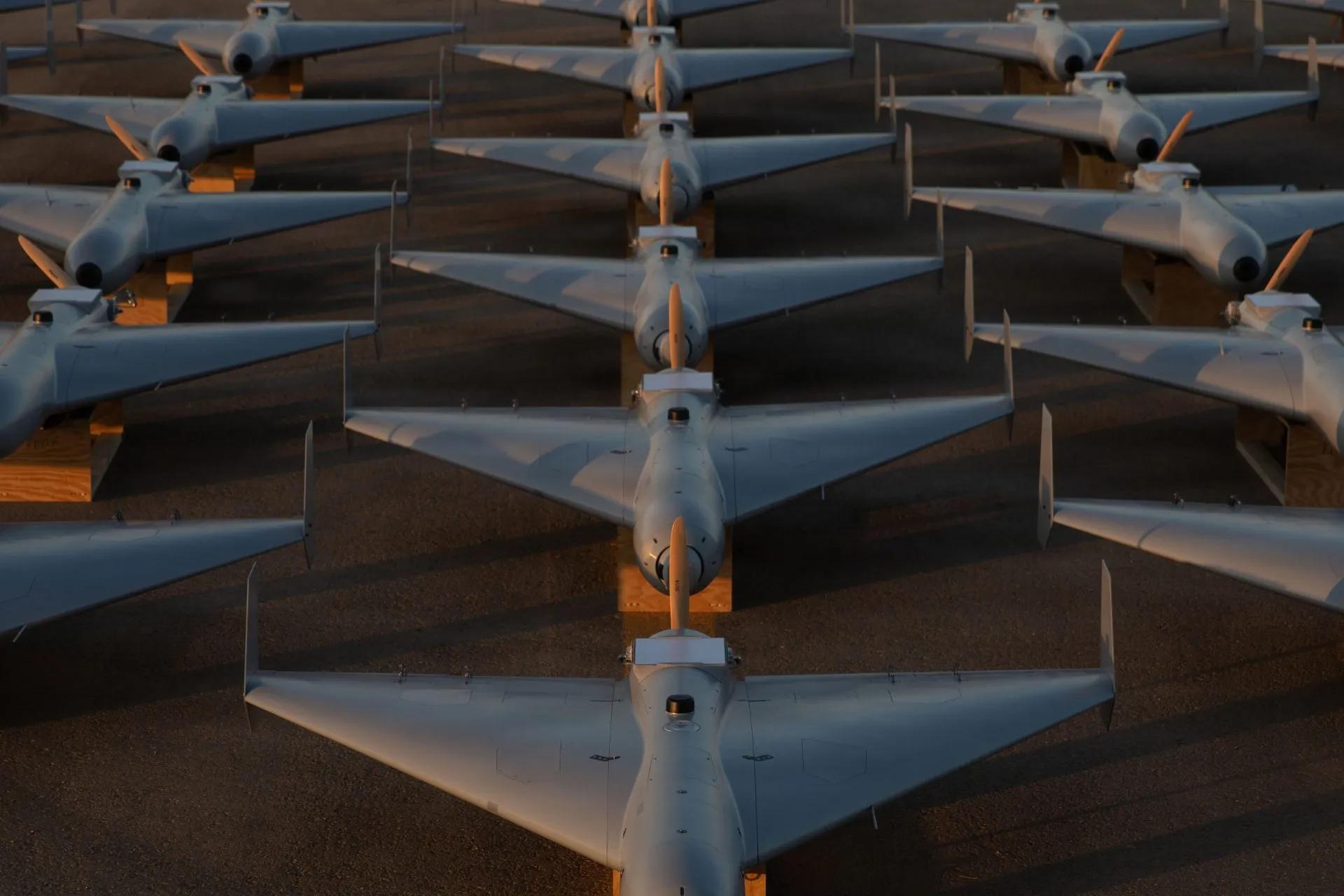
While Iran’s IRGC Aerospace Force highlighted its air-defense production, multiple outlets tied the conflict to major US drone attrition, with The Washington Post reporting that the US Armed Forces lost at least 45 MQ-9 Reaper drones during the war with Iran.
RBC-Ukraine said the losses accounted for about 25% of the US fleet of MQ-9 Reapers and added that the drones were deployed near the Strait of Hormuz, which it described as a vital route for global shipping and a flashpoint of the conflict.

Ynetnews similarly said the US military lost at least 45 MQ-9 Reaper drones, eliminating roughly a quarter of its fleet and potentially costing taxpayers more than $1.3 billion, citing a Washington Post report.
Ynetnews also reported that Lt. Gen. David Tabor told senators in May that the remaining Reaper fleet had fallen to about 135 aircraft and that he was “concerned” about the attrition.
The same Ynetnews account said the Pentagon has publicly rejected reports that its stockpiles are running dangerously low and that the Trump administration asked Congress for a $67 billion supplemental package for the Iran war.
Centcom moves to multinational drones
As the Iran war continued into its sixth month, U.S. Central Command said it was launching a new drone task force, Task Force Falcon Strike, described as the first-ever “multinational” attack drone unit of its kind.
DefenseScoop reported that Falcon Strike would use air, surface and sub-sea one-way attack drones alongside regional partners, and that Centcom was still in the process of “consulting and officially inviting” partners to the unit.
Adm. Brad Cooper, the Centcom commander overseeing U.S. military operations in the Middle East, said in the press release that “Integrating and deploying our new capabilities together will help us rapidly realize the new possibilities that are on the horizon.”
DefenseScoop also said the announcement came months after Centcom launched Task Force Scorpion Strike, known for its use of the Low-cost Unmanned Combat Attack System (LUCAS) that the U.S. reverse-engineered from an Iranian UAS.
In the same account, Centcom said SOCCENT would lead Falcon Strike, and it described the broader context as the Iran war draining expensive U.S. munition stockpiles while unmanned systems played a defining role in the conflict.