Iran · 14 August, 2026 · 3 min read
UAE Blames Iran for Drone Strikes on Two ADNOC Tankers in Strait of Hormuz
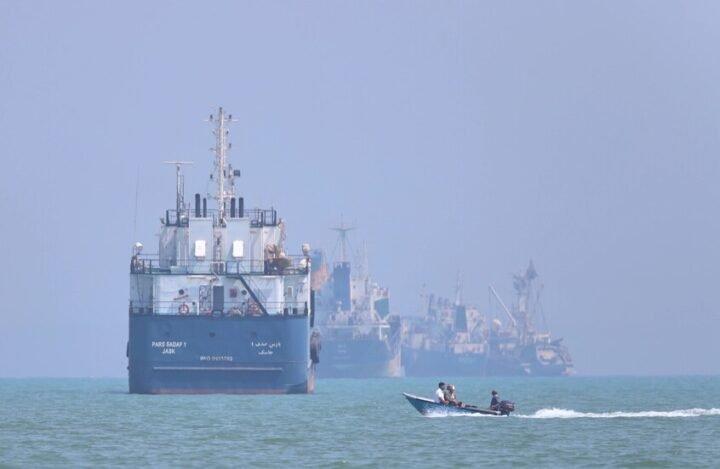
UAE accuses Iran of drone strikes on two ADNOC tankers in Strait of Hormuz. No injuries reported; situation brought under control as they transited the Strait of Hormuz.
Who is said to impose/benefit from passage in the Strait.
11 of 13 outlets skipped it: iran says an oil spill reached Qeshm; demands compensation.
15outlets compared
Same story, two versions
tap a side to read it in full
Al Jazeera foregrounds Iran charging for passage; gCaptain stresses Iran-controlled routing risk.
ADNOC Tankers Hit
Two tankers affiliated with Abu Dhabi National Oil Co. (ADNOC) were struck by drones while sailing outbound through the Strait of Hormuz on Thursday evening, and the United Arab Emirates blamed Iran for the strikes.
The United Kingdom Maritime Trade Operations (UKMTO) issued two separate attack warnings after receiving reports from military authorities that tankers had been struck by unmanned aerial vehicles while conducting outbound transits of the Strait, and both vessels suffered minor damage with crews reported safe and accounted for.

ADNOC confirmed Thursday evening that two of its vessels were attacked and said the situations had been brought under control, while the UAE Foreign Ministry described the targeting of commercial shipping and use of the Strait as a tool of economic coercion or blackmail as “acts of piracy” by Iran’s Revolutionary Guard Corps.
Reuters reported that crude oil futures climbed over $1 a barrel on Friday on tanker attacks and a lack of progress on a peace agreement between the Trump administration and Iran's leadership, with Brent futures settling at $88.52 a barrel and U.S. West Texas Intermediate at $82.40.
UAE Condemns, Iran Silent
The UAE Foreign Ministry said it had “strongly condemned and denounced the hostile Iranian attack that targeted two vessels affiliated with ADNOC as they transited the Strait of Hormuz,” and it called the targeting a “flagrant violation” of the United Nations’ principles of freedom of navigation. Hindustan Times reported that Tehran did not immediately respond to the allegations, while the UKMTO said two vessels suffered minor damage after being attacked by drones while transiting the strategic waterway.
Iran International reported that the Gulf Cooperation Council Secretary General Jasem Mohamed Albudaiwi condemned the attack as an “unacceptable escalation” and a serious violation of international law, and it said repeated attacks on shipping, facilities and property threatened regional security. In parallel, Reuters quoted Andrew Lipow saying, “We're getting a rally going into the weekend after new attacks on tankers and lack of progress on a cease-fire agreement,” linking the market move to the continued incidents and stalled talks.

Blockade, Pressure, and Risk
The United States said it could maintain its naval blockade of Iran indefinitely and announced plans to intensify economic pressure, with Reuters adding that the U.S. said it could maintain a naval blockade of Iran indefinitely and increase economic pressure on Tehran in response to stalled ceasefire talks. Reuters also reported that UKMTO recorded 75 outbound and 76 inbound full transits over the previous seven days with both directions running at just 17% of the pre-conflict average, and it said operators increasingly favored the northern route controlled by Iran following projectile attacks and heightened enforcement activity.
The Indian Express reported that Iran has said it will not reopen the strait until its conditions are met, including the removal of economic sanctions and the release of frozen Iranian assets, while it also said the UAE urged the immediate reopening of the Strait of Hormuz. Iran International described internal pressure in Tehran, saying Parliament’s National Security and Foreign Policy Commission unanimously approved legislation outlines that would include charging ships for maritime services and tightening Iran’s control over Hormuz, as the June 18 memorandum was formally due to expire on August 16.