Iran · updated 1h ago · 3 min read
Iran’s Parliament Approves Article 17 of Counter-Foreign Influence Plan, Sets Prison Terms
Parliament approved Article 17 of the counter-foreign influence plan. It imposes penalties on those cooperating with foreigners and harming Iran's interests.
10 outlets told this the same way.
10outlets compared
Article 17 Approved
Iran’s Parliament approved Article 17 of the plan to counter foreign influence, and the bill’s text criminalized “Anyone who, knowing that they are under the protection, supervision, guidance, or instruction, or leadership, or guidance of a foreigner or a foreign agent” and then offers proposals with false or incomplete information or analyses contrary to reality. The approved Article 17 set imprisonment “from first degree to thirty years” if the resulting harm is irreparable and no harsher punishment is prescribed, and it set imprisonment “from fourth to second degree” otherwise, with restitution and punishment “commensurate with the harmful effects and results of the crime and determined by the court.” The Parliament’s resolution also specified that “the Ministry of Information and the IRGC Intelligence Organization are the competent authorities” to present “credible evidence and documents” about a perpetrator’s contact with a foreigner or foreign agent.
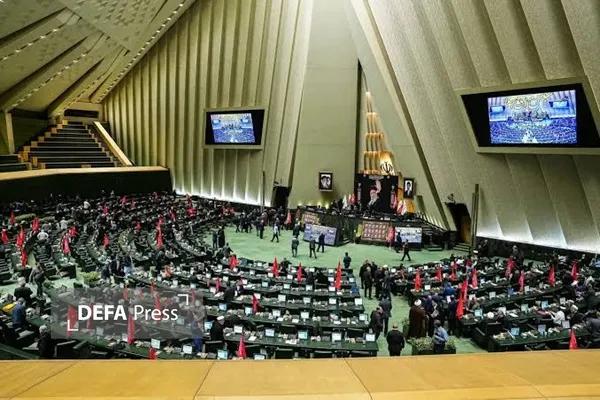
The Parliament session that approved Article 17 was held virtually on Sunday, October 5, with representatives voting “161 votes in favor, 30 votes against, and 6 abstentions out of a total of 245 representatives present.” The Parliament’s approval came as the open session continued examining the National Security and Foreign Policy Committee’s report on the bill for countering foreign influence and other items on the agenda.

Critics Cite Ambiguity
Civil rights lawyer Hojjati criticized Article 17 of the Foreign Influence Countermeasure Plan as ambiguous and lacking “clear criteria for identifying certain crimes,” and he said its implementation could be confronted with “personal interpretations and tastes.” Hojjati said the Parliament, after approving Article 17 and the overall plan, had not conducted a “scientifically rigorous and precise expert analysis of this plan,” and he described “a strong sense of hurry in drafting the text.” Hojjati argued that Article 17’s starting phrase uses the term “anyone,” but he said the conduct designated as the substantive element of the crime is mostly actions that political authorities can commit, which he said could allow factional competition to exploit the provisions.
Hojjati warned that elites, political, economic, social analysts, and journalists would be subject to Article 17, which he said would lead to “self-censorship in their daily and professional activities.” Hojjati concluded that “existing laws are sufficient” to address the topics in Article 17 and that “resorting to extreme criminalization and expanding the definitions of security offenses cannot be justified.”
Parliament Defends the Plan
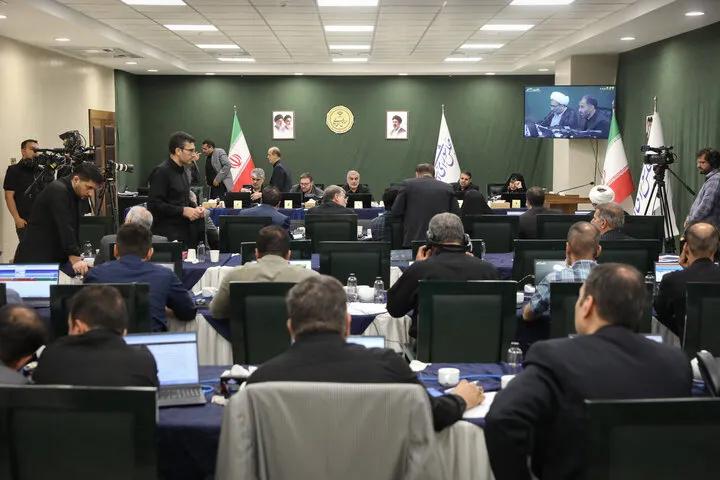
Fatihhem Maleki, a member of the National Security and Foreign Policy Committee of the Islamic Consultative Assembly, said the Parliament continued the counter-influence plan while the government had expressed opposition, and he described the country as having “vulnerabilities that we saw in the 12-day and 40-day wars.” Maleki told خبرآنلاین that “There are some controversies that have arisen which are not true,” and he rejected claims that the plan would “prohibit professors from universities” or create “obstacles for artists.” Maleki said the National Security Committee included deputies from the Ministry of Science, the Ministry of Culture and Islamic Guidance, and the Cultural Heritage Organization, and he said the Ministry of Science was concerned about whether discussing papers among university professors and foreign universities would create barriers.
Maleki emphasized that “If at any place we feel that it would create an obstacle for the public space and the people, we will definitely prevent it,” and he said the issue of influence is something “our security services themselves pursue.” Maleki also framed the plan as necessary, saying “This plan is, so to speak, necessary for the country, especially in external and internal matters,” and he pointed to “the harms” he said Iran had “witnessed inside the country.”