Iran · updated 1h ago · 3 min read
Iran Expects U.S. Response To Ceasefire Proposal After Trump Rejects Hormuz Plan
Iran asserts only negotiated solution can end the conflict after Trump rejects Hormuz plan. Tehran expects a formal U.S. response to its ceasefire proposal in the near term.
10 outlets told this the same way.
Outlets did split on US And Iran Talks Continue As Trump Says Deal Unlikely Before Midterm Elections →
MS NOW was read line by line by the Watchdog: 4.3. See the score →
10outlets compared
Hormuz ceasefire standoff
Iranian Foreign Minister Abbas Araghchi said Tehran expects a formal response Tuesday from the U.S. to Iran's proposal for a seven-day plan for a ceasefire and the phased reopening of the Strait of Hormuz.
President Donald Trump said Monday that U.S. and Iranian negotiators have engaged in talks via mediators in recent days, but he insisted that he's offered "nothing," rejecting a report by Axios that he is willing to grant Iran some sanctions relief and access to frozen funds.
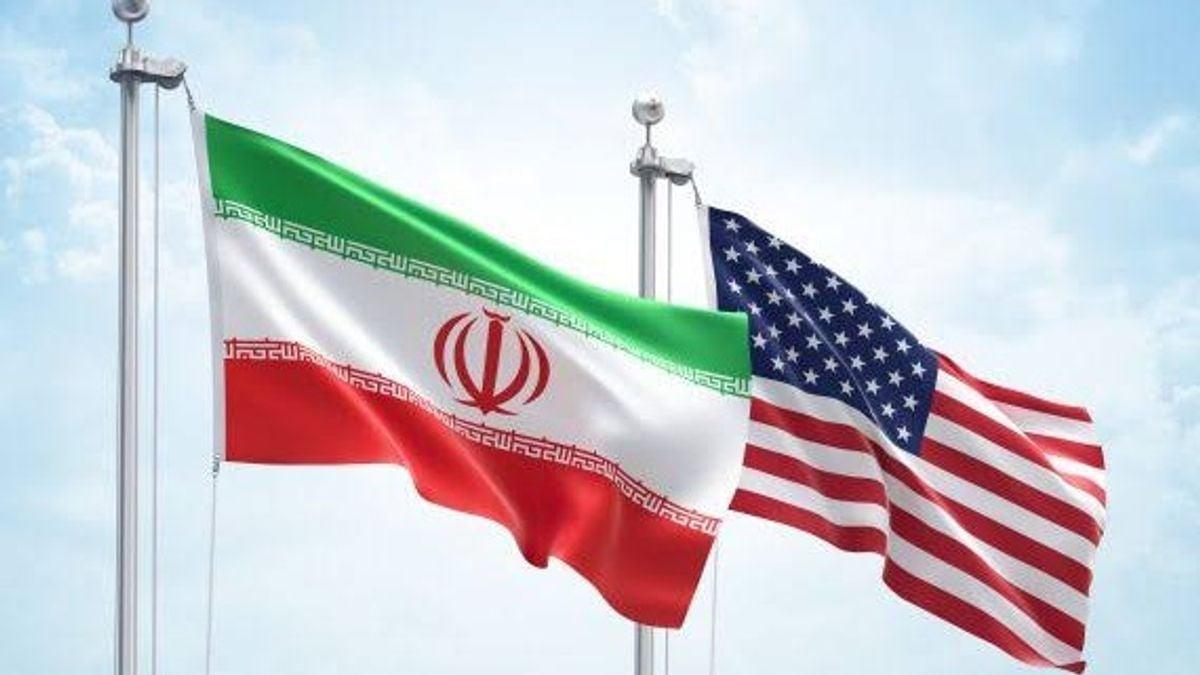
Iran security chief Maj. Gen. Mohsen Rezaei said Trump is "trapped in a quagmire where he can neither negotiate nor fight," during a Tuesday meeting with Azerbaijan's deputy prime minister, Shahin Mustafayev.
Rezaei singled out strict sanctions on airlines that went into place last week, calling them an "air blockade," as a sign of "desperation," while the CBS News account said Iran proposed the plan last week and Trump publicly rejected it.
The CBS News report said Iraq began importing gasoline via a Syrian port as the critical Strait of Hormuz remains closed, with the first shipment to Iraq arriving at the port on Thursday.
Sanctions and mediation
Treasury Secretary Scott Bessent said the U.S. would continue to identify, expose, and isolate Iran's enablers, as the CBS News report described new Treasury sanctions targeting people and firms accused of facilitating Iran's military supply chain. Bessent said, "Treasury will not tolerate any support to the regime and will continue to identify, expose, and isolate Iran's enablers," as the CBS News account linked the action to Operation Economic Outcast. Rezaei told Shahin Mustafayev that Iran's conditions have been conveyed to the United States, but Trump is unable to make a decision, and the United States, "out of desperation, has resorted to an air siege in the military war," according to Mehr News Agency.
Araghchi said Tehran was waiting for an official U.S. response through mediators after the proposal was conveyed through a Qatari intermediary, and the CBS News report said Araghchi told reporters in New York, "we are waiting for an official response from America through the intermediary." The CBS News report said Turkey seized a plane belonging to Iran's Caspian Airlines at Istanbul Airport on Monday after passengers had already boarded, linking the seizure to an unpaid $3.4 million debt.
What comes next
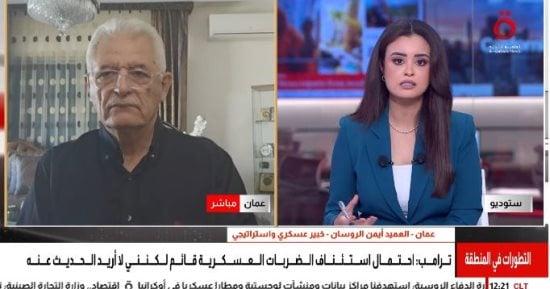
Iran said it has no plans to negotiate with the U.S. despite Trump claims, with IRNA reporting that Iran's delegation in New York had no talks planned and that the delegation would return to Tehran on Tuesday. The BBC account said Iranian Foreign Minister Abbas Araghchi acknowledged Trump's rejection on Telegram and said Iran would wait for a "definitive" official U.S. response, while Araghchi wrote that Trump "has made many good statements, as well as many contradictory ones". Masoud Pezeshkian told CBS that "distrust created by this war needs to be overcome" for talks to be successful, and he said the Iranians were open to implementing the MOU in stages while the BBC report said the U.S. resumed its bombing campaign and Pezeshkian said Trump had "tore up" the MOU.
Oman's foreign minister, Sayyid Badr bin Hamad bin Hamood Albusaidi, told the UN General Debate that "all parties" should cooperate with Oman in efforts to safeguard navigation in the strategic waterway, as the BBC report described Oman as acting as a mediator. The CBS News report said the disruption of the strait sent shock waves through the global economy, with a fifth of the world's traded oil and gas transiting through the narrow waterway before the war.