Gaza Genocide24 October, 20253 min read
Israel Starves Gaza by Blocking Most Humanitarian Aid Despite Ceasefire
This article is an automated aggregation of coverage from news outlets. Our editorials offer in-depth analysis curated by the NewsCord team.
Israel permits only about 94 aid trucks daily, far below the 600 trucks promised. Humanitarian aid deliveries since October 10 remain insufficient to reduce hunger in Gaza.

8 outlets told this the same way.
Outlets did split on Thousands March in London Calling for Britain to Stop Arming Israel and Impose Sanctions →
Humanitarian Aid Blockade in Gaza
Israel is starving Gaza by blocking most humanitarian aid despite a ceasefire. After the 10 October ceasefire, fewer than 100 UN and partner trucks entered Gaza daily—far below the 600 per day promised under a US-brokered plan. WHO says there has been no significant increase in food entering Gaza and calls the hunger and humanitarian crisis catastrophic.
“Since a ceasefire took effect in Gaza on October 10, fewer than 100 UN and partner aid trucks have entered the territory daily—far below the 600 trucks per day promised under a US-brokered plan.”
Israel’s own authorizations average roughly 1,011 tonnes per day—still a fraction of what is needed. Slow Israeli clearance has left over 190,000 tonnes of aid stockpiled outside Gaza for months. WHO and the International Court of Justice have highlighted the dire crisis, with famine declared in August.

WHO has explicitly called on Israel to open crossings to allow more aid and patient transfers. The situation shows minimal improvement despite the ceasefire.
Aid Restrictions in Gaza
Israel maintains a chokehold on Gaza’s crossings, throttling aid and fuel and keeping deliveries far below the 2,000-tonnes-per-day target. At the current pace it could take more than six months to move the 190,000+ tonnes of aid already stockpiled. Fuel deliveries have increased but still remain below the 270,000 liters per day needed.
Only 200–300 trucks enter the strip and many are commercial, leaving poor residents cut off. UN and partner flows are under 100 trucks per day.
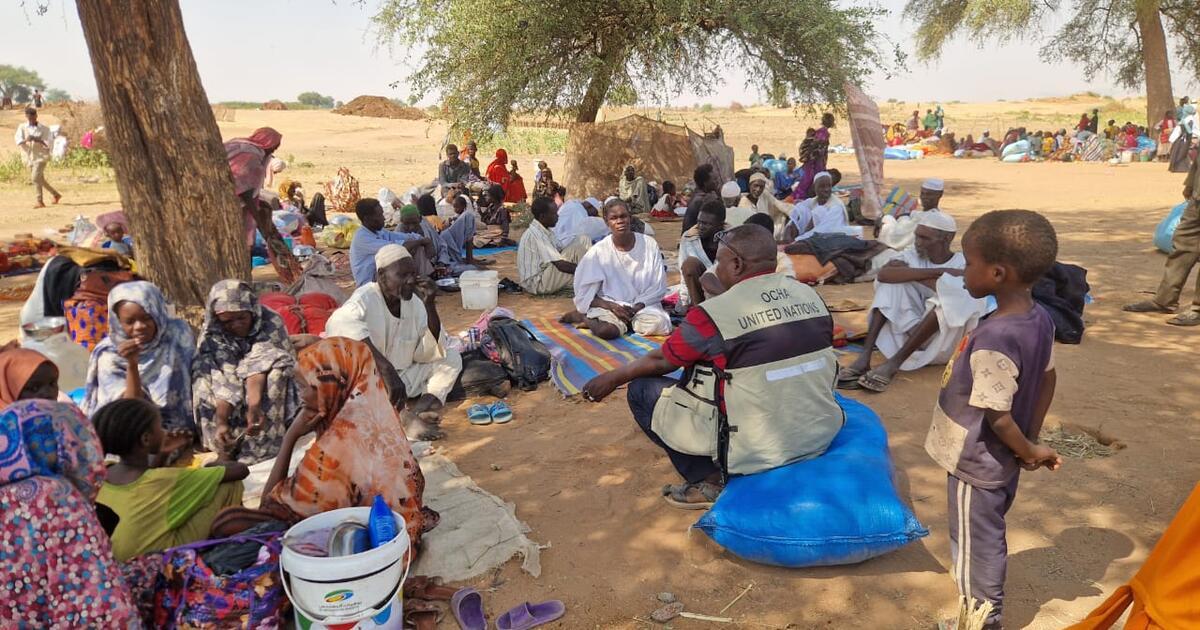
WHO says aid is still only a fraction of what is required, and it has urged Israel to open crossings. Some aid is reportedly diverted or intercepted inside Gaza, but the central bottleneck highlighted across sources is Israel’s slow clearance and restricted crossings that keep hunger entrenched despite the ceasefire.
Ongoing Violence in Gaza and West Bank
Israel’s military continues to kill Palestinians despite the ceasefire, highlighting that starving Gaza is part of a broader assault. Israeli strikes killed at least 45 Palestinians after two Israeli soldiers were killed. Gaza health authorities report 68,280 deaths and 170,375 injuries from Israeli attacks since October 7, 2023; other tallies put it at over 68,200 killed and 170,300 injured.
“The Gaza ceasefire faced challenges when Israeli strikes killed at least 45 Palestinians following the deaths of two Israeli soldiers.”
The World Health Organization still calls the hunger crisis catastrophic. UN Special Rapporteur Francesca Albanese condemns the US-brokered ceasefire as insufficient, saying it fails to halt what she terms genocide against Palestinians by the Israeli occupation. The West Bank has also seen escalating killings, injuries, and mass detentions by Israeli forces.
Gaza Health Crisis Overview
The collapse of the health system has made the starvation policy deadly even without the use of bombs. The World Health Organization (WHO) reports that only 14 out of 36 hospitals in Gaza are functioning at a minimal level. There are 15,000 patients, including 4,000 children, who require treatment outside Gaza.
Delays in evacuations have already resulted in the deaths of over 700 people. Malnutrition caused 411 deaths in 2025 alone, including 109 children, which WHO considers preventable. Al-Jazeera reports that 14 of 36 hospitals are fully operational amid catastrophic hunger, highlighting discrepancies with other WHO-based figures.
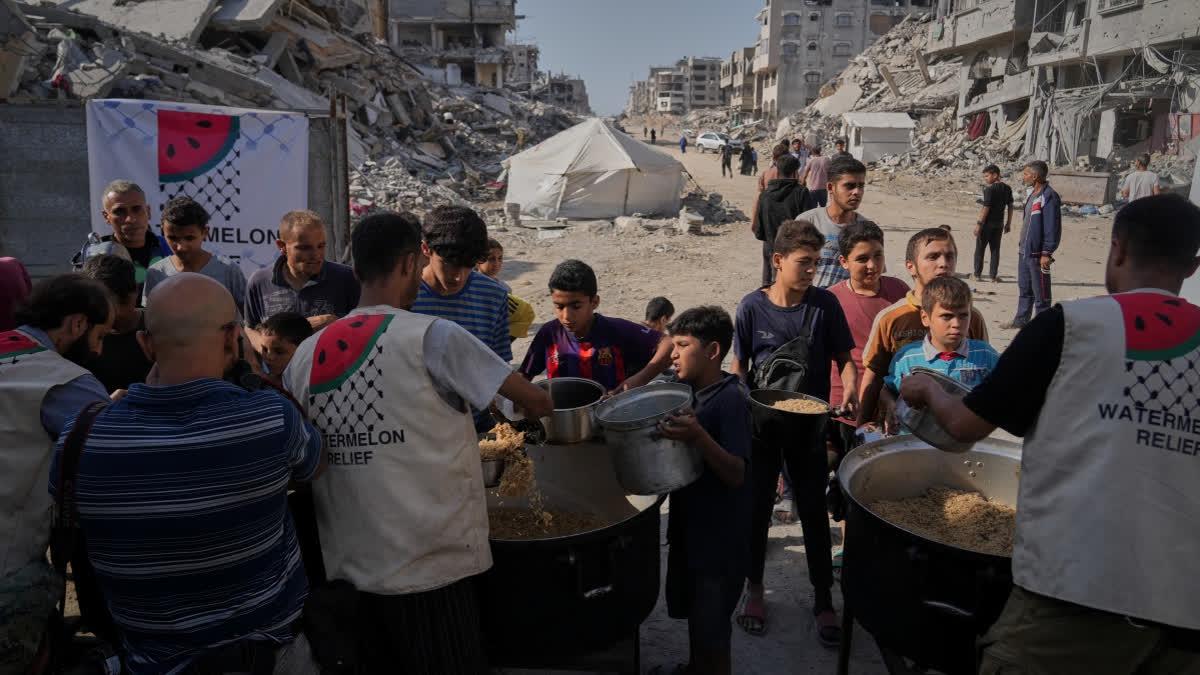
WHO estimates that $7 billion is needed to rebuild Gaza’s shattered health system. Famine and severe shortages continue under Israel’s restricted aid regime.
Gaza Aid and Restrictions Overview
Even with heroic community relief, Israel’s restrictions keep Gaza on the brink. The UN World Food Programme has provided enough food for nearly half a million people for two weeks since the ceasefire, but daily deliveries remain below the 2,000 tonnes target and fuel remains short of need. UNRWA estimates more than 61 million tons of debris after years of Israeli bombardment and blockade, and local groups like the Orphans Foundation are feeding families with daily hot meals.
“The UN World Food Programme has provided enough food for nearly half a million people for two weeks since the ceasefire, but daily deliveries remain below the 2,000 tonnes target.”
BSS reports proposals for an Arab security force and Hamas–Fatah talks about Gaza’s post-war future. But as long as Israel throttles the crossings and clears aid slowly, WHO and UN agencies warn deliveries will remain far below commitments, leaving hunger entrenched despite the ceasefire.
