Lebanon06 March, 20262 min read
Israel Strikes Densely Packed South Lebanon
Israel conducted heavy airstrikes across southern Lebanon and Beirut’s southern suburbs Israel ordered mass evacuations, displacing hundreds of thousands of Lebanese civilians

Israeli strikes in Lebanon
Israeli forces launched a broad air and ground campaign across southern Lebanon and parts of Beirut, including the dense southern suburbs known as Dahiyeh. They issued unprecedented evacuation orders that triggered mass displacement. Several outlets reported that Israel said it was targeting Hezbollah after the group stepped up attacks on Israeli forces.
“Israel launched a major air and ground assault across southern Lebanon and parts of Beirut, saying it was targeting Hezbollah after the group stepped up rocket, drone and ground attacks on Israeli forces.”
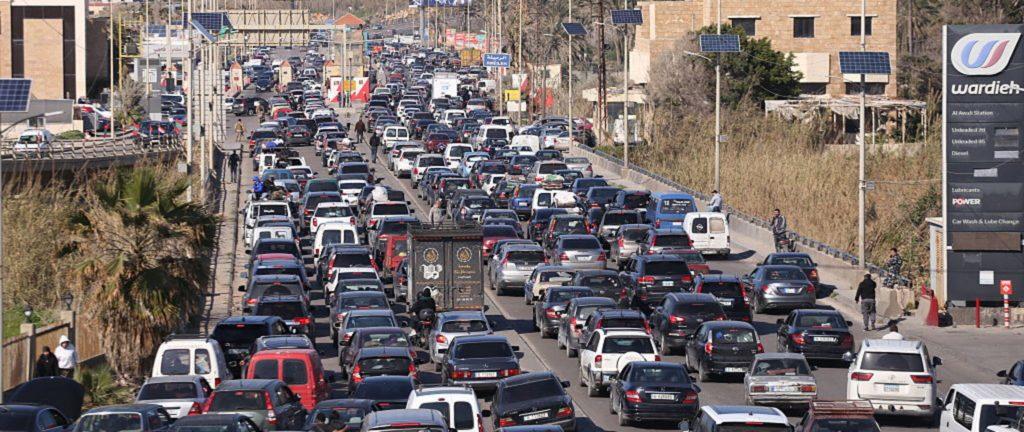
Lebanese authorities and aid groups described large-scale strikes across multiple towns. The operations included multiple waves of strikes across areas from Tripoli to Tyre and Beirut’s southern suburbs, leading to chaotic flight, heavy smoke over parts of the city, and large numbers of civilians fleeing on foot or by car.


Lebanon casualties and damage
Casualty and damage figures reported by Lebanese authorities and international outlets vary but show substantial civilian harm. Official Lebanese tallies and health-ministry statements cited dozens to hundreds killed and many hundreds wounded, while multiple sources documented buildings reduced to rubble, hits near hospitals, and damage in towns beyond Hezbollah's traditional strongholds. The numbers reported range across outlets and moments in the fighting — illustrating both a high human toll and continued uncertainty about exact totals as the conflict unfolded.
Evacuation legal concerns
Humanitarian agencies, rights groups and U.N. officials warned that the scale and method of evacuation orders, and the lack of safe passage and support, raise serious legal and protection concerns. Human Rights Watch and Amnesty flagged risks that blanket evacuation directives and continued strikes could amount to forcible transfer or otherwise violate international humanitarian law. Aid organisations said shelters were overwhelmed and many displaced people were sleeping outdoors or in cars, heightening fears of an imminent humanitarian crisis.
“Human Rights Watch warned that large-scale evacuations south of the Litani River carry serious legal and humanitarian risks, particularly for the elderly, sick and disabled.”
Hezbollah and Israel clashes
The fighting has been marked by exchanges between Hezbollah and Israeli forces across multiple fronts. Reports detailed Hezbollah rocket, drone and ground attacks into northern Israel, and there were claims of strikes on Israeli military sites. These actions were followed by Israeli targeting of what it described as Hezbollah command centres, UAV storage and weapons infrastructure across southern Lebanon and Beirut suburbs.
Both sides framed their actions as retaliation or preemption. The strikes extended to towns and valleys beyond traditional frontlines, heightening the risk of a wider and more protracted confrontation.

International reactions and aid strain
International responses reflected alarm and calls for restraint as the humanitarian toll mounted and displacement swelled; European leaders urged limits on operations to avoid a wider war, U.N. officials warned that civilians were bearing a heavy price, and several countries increased deployments or repositioned forces amid fears of escalation.
“French President Emmanuel Macron urged Hezbollah to stop firing and cautioned Israel against broad ground operations to avoid widening the war.”
Aid and shelter capacity was strained, with official shelter registration and NGO estimates differing, underscoring worries that continued fighting would deepen a humanitarian disaster and complicate political efforts to de‑escalate.