Gaza Genocide16 October, 20253 min read
Israel Threatens to Resume Massacre in Gaza if Hamas Fails Ceasefire Terms After Hostage Body Exchange
Trump warned Hamas to disarm voluntarily or face swift, possibly violent, US forcible disarmament. Hamas returned some hostage bodies but delayed full compliance, prompting Israel to limit Gaza aid.

63 outlets told this the same way.
Hostage Returns and Aid Restrictions
After Hamas handed over a limited number of hostage bodies alongside earlier releases of 20 living captives, Israel responded by shutting the Rafah crossing and cutting aid to force full compliance with a ceasefire demand for all 28 deceased Israelis’ remains. Israel’s move explicitly links humanitarian lifelines to the return of bodies, with Israeli officials warning delays “would breach the agreement and have consequences,” while aid restrictions and the border closure were implemented.
“In response to the incomplete returns, Israel closed the Rafah crossing and reduced humanitarian aid.”
Hamas says it needs more time to locate remains buried under rubble from Israeli destruction, and the Red Cross and Israeli officials acknowledge retrieval could take weeks or months. Confusion deepened when one body delivered by Hamas was confirmed not to be a hostage, further inflaming Israeli threats to curtail aid until all remains are returned.

Ceasefire Conditions and Threats
Israeli leaders are conditioning the ceasefire’s survival on the disarmament of Hamas and the immediate return of all remains.
They have warned that military operations will resume if Hamas fails to comply.
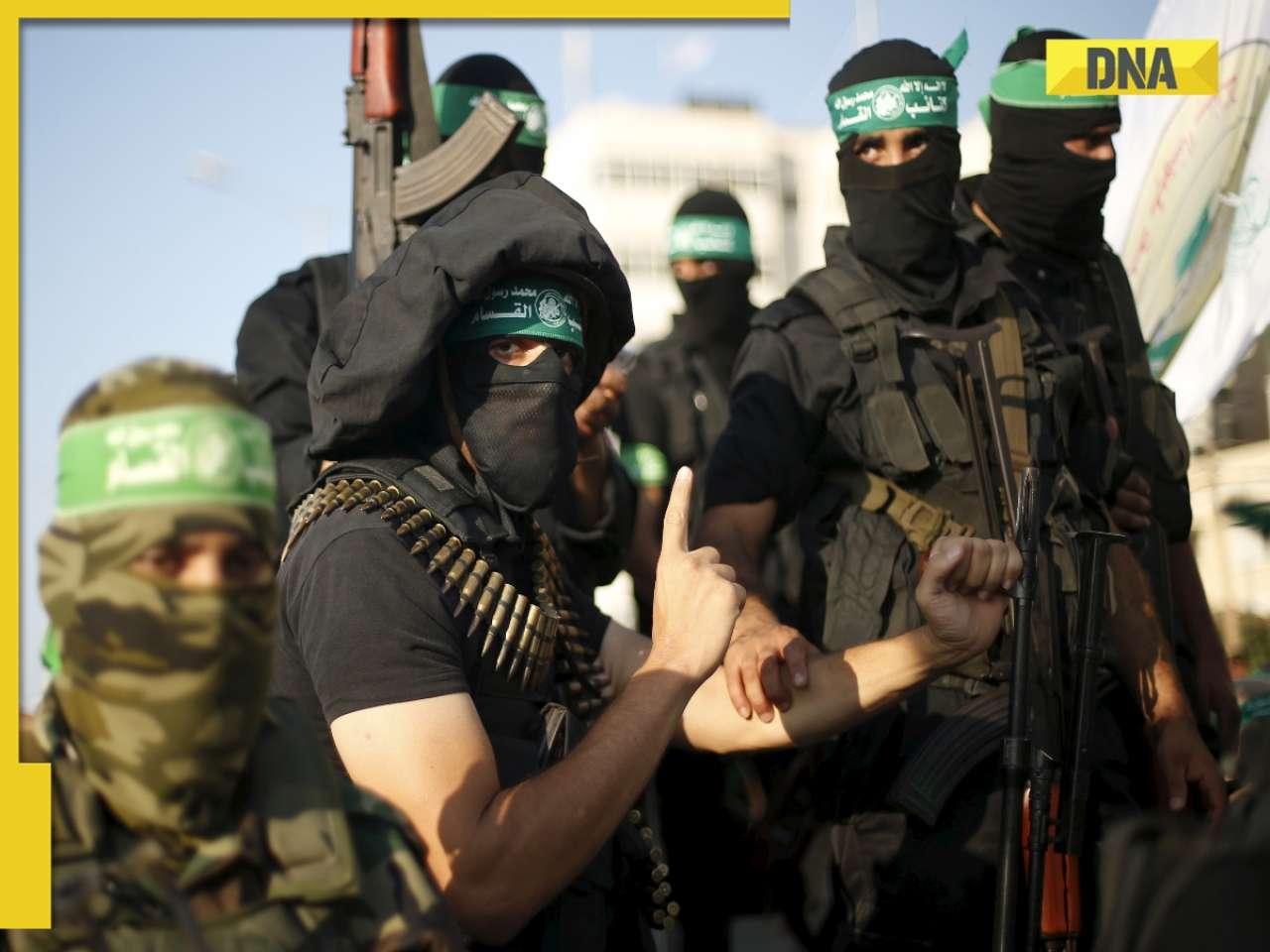
These warnings come after two years of Israeli operations that killed tens of thousands of Palestinians.
Prime Minister Benjamin Netanyahu has stated that operations will resume if Hamas does not disarm.
Israeli officials have combined this pressure with keeping Rafah closed and restricting aid.
In parallel, former U.S. President Donald Trump, who brokered the ceasefire, publicly threatened to forcibly disarm Hamas.
Trump suggested that disarmament could be achieved by "violent" means if Hamas does not comply.
Multiple outlets have reported that this threat risks shattering the fragile truce.
Israeli Actions During Ceasefire
Even under the ceasefire, Israeli forces have continued to kill Palestinians. Multiple outlets report Israeli drone strikes and shootings killing Palestinians near truce lines, including civilians returning home. Australian and Indian outlets reported six to nine Palestinians killed by Israeli actions.
“Israeli forces killed five Palestinians near Gaza City using drones during house inspections, and an airstrike near Khan Younis caused one death.”
U.S. and Canadian outlets note Israeli fire on people crossing designated boundaries. These incidents show Israel enforcing the truce through lethal force against Palestinians on the ground. At the same time, officials restrict aid to intensify pressure for the return of bodies.
Humanitarian Crisis in Gaza
Israel is restricting humanitarian access by limiting aid trucks and fuel supplies and keeping the Rafah crossing closed to pressure Hamas over the return of all bodies. UN agencies have warned of famine and a collapsing healthcare system in the region. Reports indicate that Israel allowed only half of the agreed number of aid trucks and limited fuel deliveries while keeping crossings closed.
The reopening of crossings has been tied to the return of bodies. UN-led missions are allowed to operate only in a limited capacity. The World Food Programme and other agencies are facing budget cuts and severe logistical challenges.

The UN and WHO are evacuating personnel and deploying medical teams into a territory where famine has been declared. These deliberate restrictions on aid are worsening a humanitarian catastrophe amid accusations that Israel’s campaign amounts to genocide before the International Court of Justice.
Hostage Exchange and Conflict Escalation
The ceasefire’s first phase swapped 20 Israeli hostages for nearly 2,000 Palestinian prisoners. However, the struggle over bodies and the demand for disarmament has reignited threats and killings. One of the four bodies returned was not a hostage, which has deepened mistrust.
“One of the returned bodies was later confirmed not to be a hostage. The ceasefire has also led to Israel releasing nearly 2,000 Palestinian prisoners.”
Israel’s far-right ministers and defense officials threaten more force and tighter aid restrictions. Meanwhile, Trump and his aides propose a 20-point plan that includes amnesty for disarming the group and warns of violent U.S. disarmament if they refuse. European and West Asian media report simultaneous allegations of executions by the group and Israeli attacks.

International actors are increasing legal pressure over alleged genocide. The Red Cross is mediating body exchanges in both directions.