Full story
Ansar strike and toll
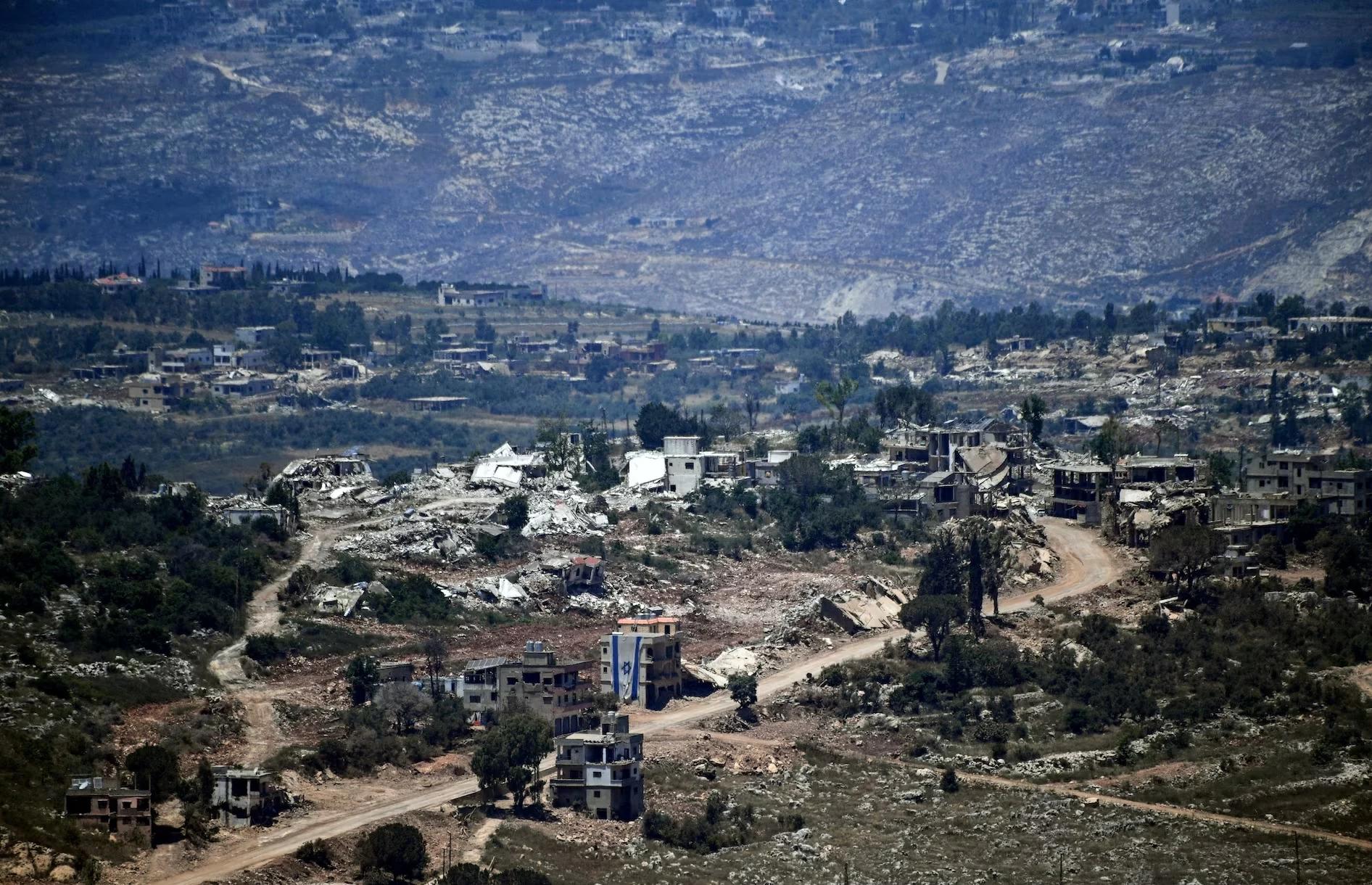
Israeli air strikes hit the town of Ansar in the Nabatieh district and the village of Deir al-Zahrani in southern Lebanon, killing seven people in Ansar and two in Deir al-Zahrani, according to Lebanon’s state-run National News Agency and the Lebanese ministry of health.
“The strike hit a house on the outskirts of Ansar at about 04:30”
The BBC reported the Ansar strike hit a house on the outskirts of Ansar at about 04:30, where authorities said displaced families were living, and it said the seven killed included three children and two women.

The BBC also said Israel’s military struck “Hezbollah terror infrastructure” in response to what it described as an earlier action against its soldiers, while Lebanon’s Prime Minister Nawaf Salam condemned the attacks as civilians killed were not “military infrastructure”.
In parallel, Anadolu Agency said the Lebanese Ministry of Health put the overall toll from Israeli air raids since dawn on Saturday at 11 dead and 19 injured, after earlier reporting 7 deaths and 2 injuries from an Ansar raid and 4 deaths and 17 injuries from Deir al-Zahrani.
Salam rejects Israel’s framing
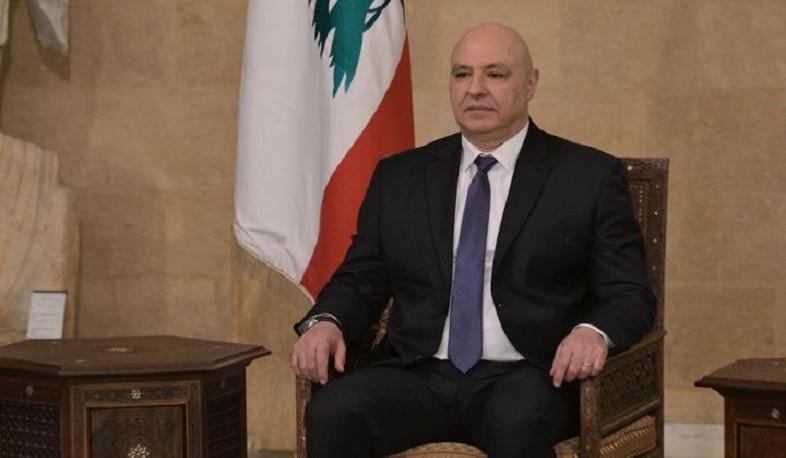
Nawaf Salam rejected Israel’s account of the Ansar attack, saying the escalation in Nabatieh, Ansar, Deir al-Zahrani and surrounding villages was “extremely dangerous” and warning it undermined efforts to consolidate stability in southern Lebanon.
Salam said, “The seven people killed in the Israeli strike on Ansar are not ‘military infrastructure’, and the children and women killed in it are not military targets,” and he added that responsibility for dealing with any structures or military sites on Lebanese territory rests exclusively with the Lebanese state.

The BBC likewise quoted Salam telling reporters, “Israel must halt this escalation,” and it carried his line that “For the security of our people and their right to life on their land are not subject to negotiation or bargaining.”
On the other side, the Israeli military said it struck Hezbollah infrastructure in the areas of Nabatieh and Ansar, and it said the attacks came in response to an action against Israeli soldiers at the Ali al-Taher Ridge.
Framework, buffer, and next moves
The attacks came as Lebanon and Israel were operating under a June framework that calls for Hezbollah’s disarmament, the gradual withdrawal of Israeli forces from southern Lebanon, and the deployment of the Lebanese army in the area, with Hezbollah refusing direct talks and not being part of the agreement.
“How can you accept this ongoing humiliation of the Lebanese army”
The BBC said the June ceasefire framework calls for Hezbollah to disarm, Israeli forces to withdraw gradually from southern Lebanon and the Lebanese army to deploy across the area, while it also noted that Lebanon’s President Joseph Aoun condemned the Israeli strikes that killed an entire family in Ansar and its “repeated violations” of the framework.
In a separate report, Al Jazeera said Israeli Defence Minister Israel Katz warned Israel would not withdraw unless Hezbollah was disarmed and what he called the “threat” posed by the group was removed, and it added that Katz said Israeli forces currently control about 700 square kilometres of Lebanese territory, or roughly 7 percent of the country.
Al Jazeera also reported that Hezbollah leader Naim Qassem criticised the Lebanese authorities over implementation of the framework, accusing them of pressuring the army while Israeli attacks continued, and it quoted him asking, “How can you accept this ongoing humiliation of the Lebanese army, exposing it to bombardment and Israeli pressures, instead of acting as its protectors?”