Lebanon29 June, 20263 min read
Israeli Airstrikes Hit Near Qaraoun Dam, Threatening Lebanon’s Water And Energy Infrastructure
This article is an automated aggregation of coverage from news outlets. Our editorials offer in-depth analysis curated by the NewsCord team.
Israeli airstrikes hit near Qaraoun Dam, damaging access roads and scattering debris into Lake Qaraoun. Israeli assaults target Lebanon's hydraulic and energy infrastructure, constituting ongoing war crimes.
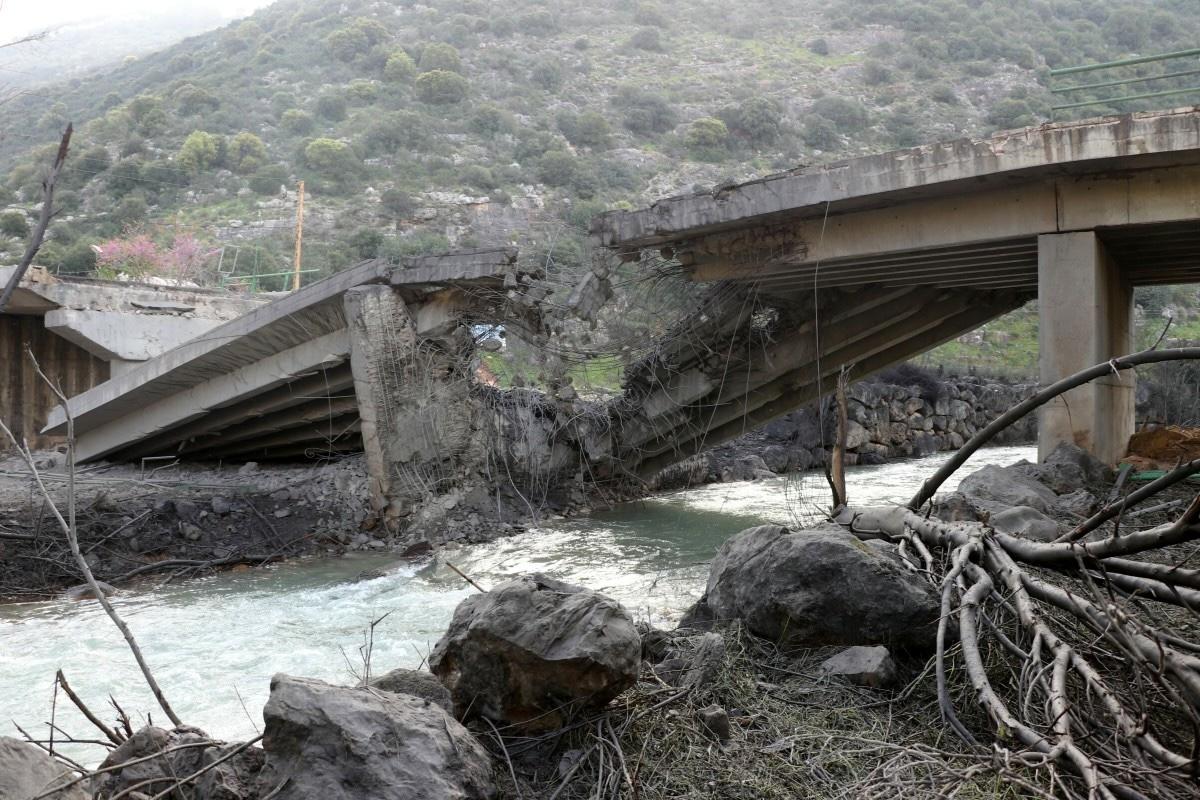
Qaraoun Dam hit
On May 26, Israeli airstrikes hit targets perilously close to Qaraoun Dam, a cornerstone of Lebanon’s water and energy infrastructure, tearing apart adjacent access roads and scattering debris into Lake Qaraoun.
Ali Oday Yassin, who owns a roadside rest stop next to Qaraoun Dam, said, "It was a brutal moment. The ground shook under our feet, then the place filled with dust and smoke," as shrapnel hit his property about 200 meters from the dam.
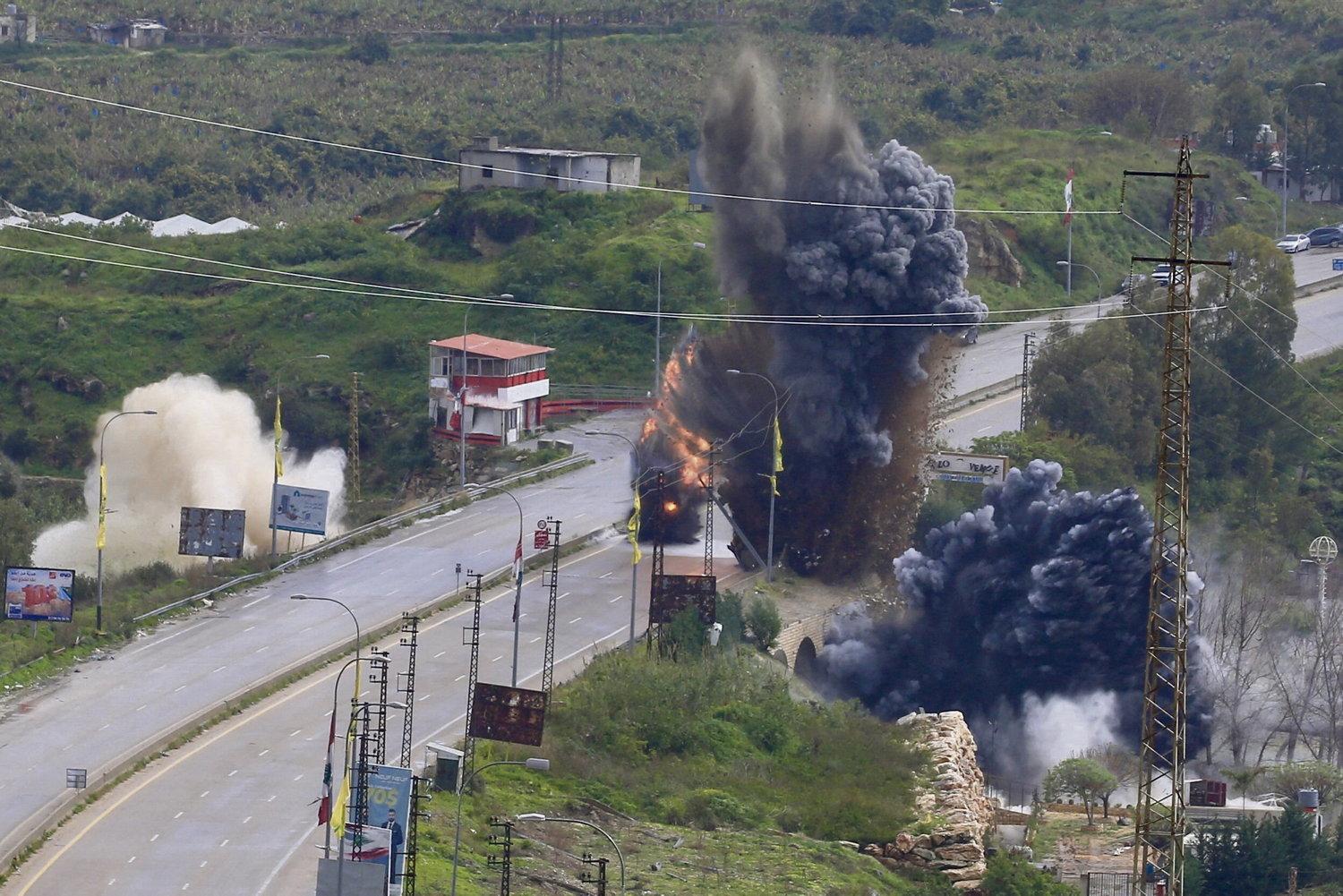
Sami Alawieh, Director General of the National Litani River Authority, said the latest Israeli strikes constitute a national threat, adding, "The area struck is not a peripheral road or an ordinary access route."
Built in 1959, the dam impounds Lake Qaraoun, Lebanon’s largest water reservoir, feeds four hydroelectric power plants, and irrigates about 30 percent of the country’s farmland.
The Litani River system, from the Bekaa valley to the south, is described as central to Lebanon’s water security, and the targeting of the dam was presented as another layer in a campaign that has turned the river into a frontier.
Khiam clashes and displacement
In southern Lebanon, the town of Khiam has been the scene of violent clashes between Hezbollah and the Israeli army, with Ouest-France describing Khiam as a hinge town between the south and the east and perched above the Litani River valley and the Marjeyoun plain. Ouest-France quoted General Khalil Gemayel, former commander of the Litani south sector of the Lebanese army, saying, "Whoever tries to advance toward the Litani in this sector is inevitably watched and targeted from Khiam." TRT Français reported that humanitarian conditions are deteriorating continuously due to military pressure, with Olivier Routeau, operations director of Première Urgence Internationale, saying, "People are living under this constant pressure of evacuation orders, texts asking people to move, bombings every night, every day."
TRT Français also said that since March 2, Israeli bombings have left 968 dead and 2,432 wounded across Lebanon, according to figures from Lebanon's Ministry of Health, and that the Health Ministry says Israeli military operations have displaced one million people out of a population of 5.8 million. Ouest-France added that the Israeli army, which currently occupies barely 20% of the south of Khiam, is trying to advance under air cover and artillery fire while Hezbollah replies with anti-tank rockets, rapid strikes, and ambushes.
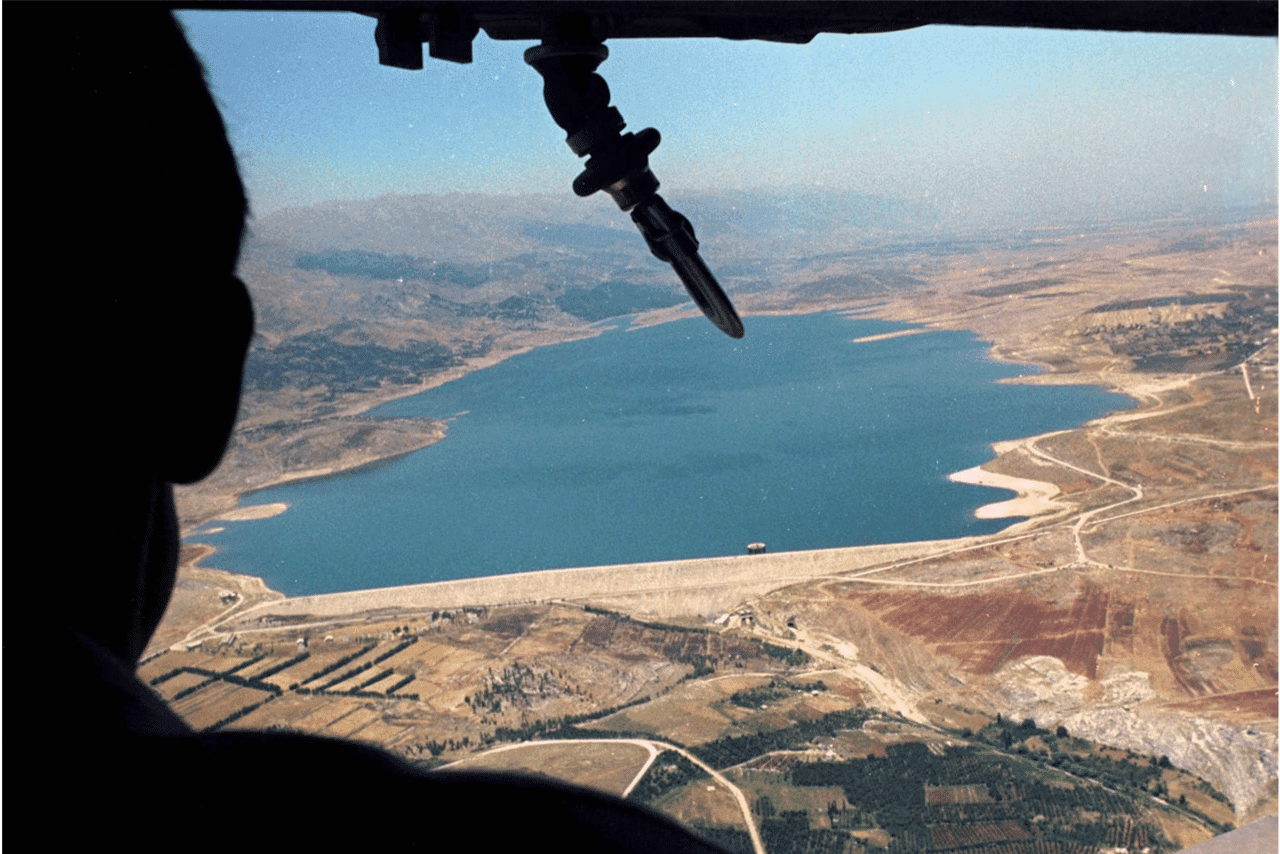
Water infrastructure and stakes
Beyond the battlefield, Vert Le média described Lebanon’s water infrastructure as a strategic target, saying the Litani is about 170 kilometers long and runs through the south of the country, while Israel is said to be seeking to control it again by ordering its evacuation.
Wassim Daher, director-general of the South Lebanon Water Establishment, said, "everything has been destroyed: wells, pumping stations, reservoirs, and water networks," and added that all hydraulic infrastructure south of the Litani has been targeted.
Vert Le média reported that in Tyre, a strike on November 18 cut off water to 72,000 people, according to Human Rights Watch, and that Action Against Hunger and Insecurity Insight indicates at least 150,000 people still lack running water in southern Lebanon.
The same report warned that when water is targeted, "Water is the most important resource for all human beings. When water is targeted, life on the ground becomes impossible, as does residents’ return," quoting Daher.
It also framed the consequences as part of a broader regional pattern, with Oxfam-Québec’s Léa Pelletier-Marcotte saying, "That is why Oxfam speaks of water militarization: deliberate destruction or prolonged hindrance of water systems produces massive effects on the civilian population."