Full story
Airstrikes and a backtrack
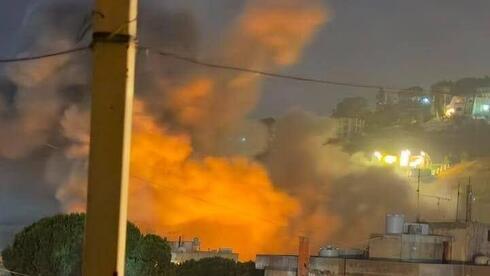
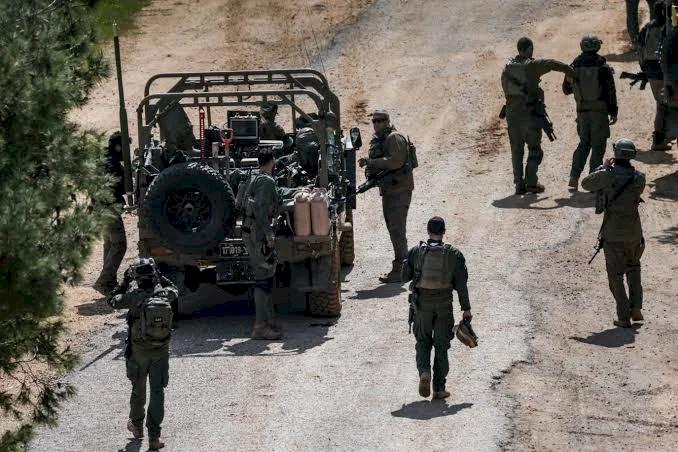
Israeli airstrikes on southern Lebanon killed 11 people and wounded 19 others in the towns of Ansar and Deir al-Zahrani, with a whole family of seven among the dead, according to Lebanese officials.
“killing 11 people and wounding 19 others in the towns of Ansar and Deir al-Zahrani”
In parallel, Israeli Defense Minister Yoav Gallant retracted earlier statements about Israel staying in southern Lebanon for an indefinite period, linking any withdrawal to Hezbollah’s disarmament and the removal of what he described as the group’s threat across Lebanon.
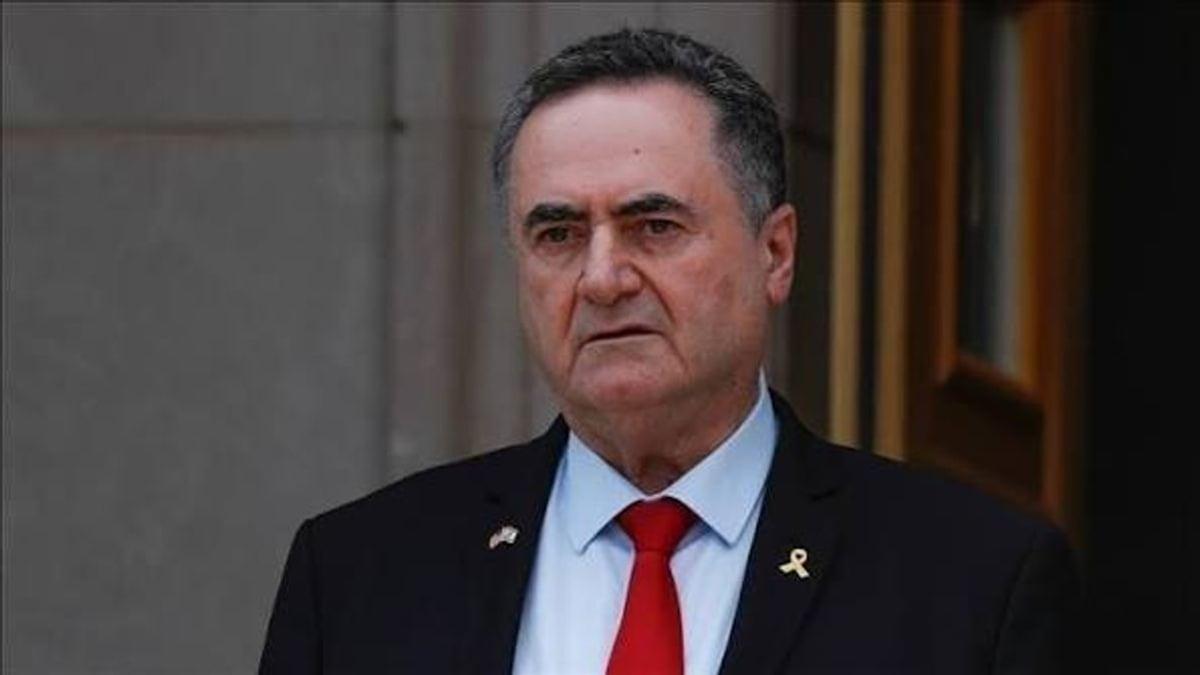
Gallant said the occupation state “will not withdraw from the security zone in Lebanon unless Hezbollah is disarmed and the threat posed by the group across Lebanon is removed,” and he added that he issued instructions for the army to be ready for a prolonged presence.
The U.S. State Department official cited in the reporting said Israel’s permanent military presence in southern Lebanon does not align with the commitments in the U.S.-brokered agreement, which calls for a gradual Israeli withdrawal contingent on verification of Hezbollah’s disarmament.
The June 26 agreement described in the reporting ties the gradual withdrawal of Israeli forces from southern Lebanon to the Lebanese government’s verification of the disarmament of all non-state armed groups, while Hezbollah rejected disarmament because it was not a party to the agreement.
Accusations and competing narratives
Lebanon’s Prime Minister Najib Mikati’s government warned that the Israeli escalation since dawn was a “very dangerous” development that could undermine efforts to stabilize, and it stressed that the victims of the Ansar airstrike “are not military infrastructure.”
Hezbollah said the Israeli attacks “will be met with what is appropriate,” while Israel’s Prime Minister Benjamin Netanyahu justified the strikes by saying the party violated the ceasefire and attacked Israeli soldiers in the south.

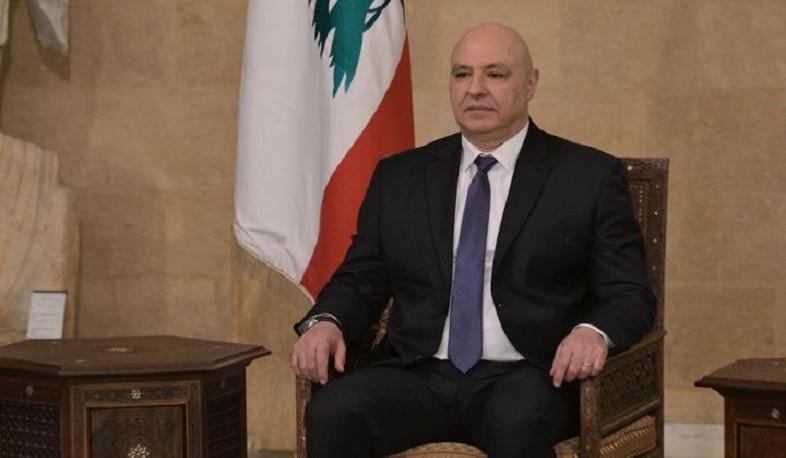
Lebanon’s President, General Michel Aoun, condemned the ongoing Israeli attacks on the south and “its repeated violations of the framework agreement (…) and international law protecting civilians,” according to a presidential statement.
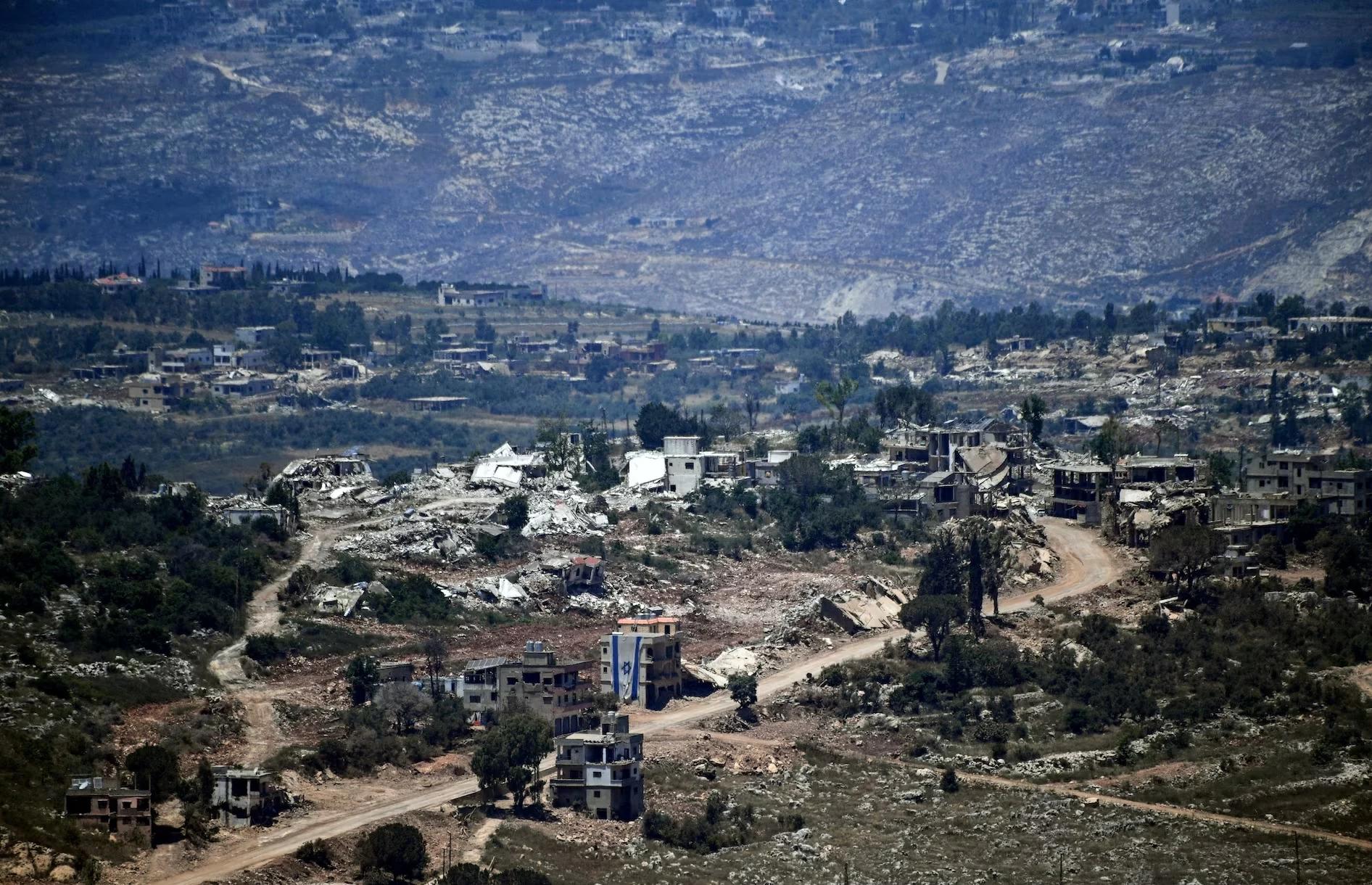
In a separate thread of the dispute, Lebanon’s government accused Israel of deliberately destroying homes and civilian infrastructure across the country’s south, with Prime Minister Nawaf Salam saying Israel’s “attacks, incursions, demolitions and the systematic destruction of homes represent a serious violation” of international law.
A U.S. State Department official told Al Jazeera that Washington “expects all parties to act in a manner consistent with the framework they agreed to,” adding that Israel “has clearly stated that it has no territorial ambitions in Lebanon.”
Negotiations, verification, and what’s at risk
As the conditional truce framework continues, Reuters-cited reporting said Israel and Lebanon agreed on a short list of potential contributors to a proposed mechanism to verify the disarmament of Hezbollah during talks held in Rome last week under American auspices.
“Permanent military presence in southern Lebanon does not fit the commitments in the framework”
The reporting described disagreements over inspections and international cover, including Israel’s push to broaden verification to private property and homes, while the Lebanese army resisted growing pressures over the past year to inspect private property.
A U.S. State Department official said Washington expects all parties to act in a manner consistent with the framework they agreed upon, adding: “Permanent military presence in southern Lebanon does not fit the commitments in the framework.”
In parallel, Al Jazeera reported that Israeli strikes hit the Nabatieh district of southern Lebanon just hours after the deadliest day of Israeli raids in Lebanon since a U.S.-brokered ceasefire, with at least 11 people killed and “hundreds of families fleeing for safety clogging roads to the north.”
The AP’s roundup also tied the 11 deaths to the fragile ceasefire environment, noting the strikes were among the deadliest since a shaky truce between Israel and Iran-backed Hezbollah went into effect on June 20.