Full story
Drone strikes despite deal
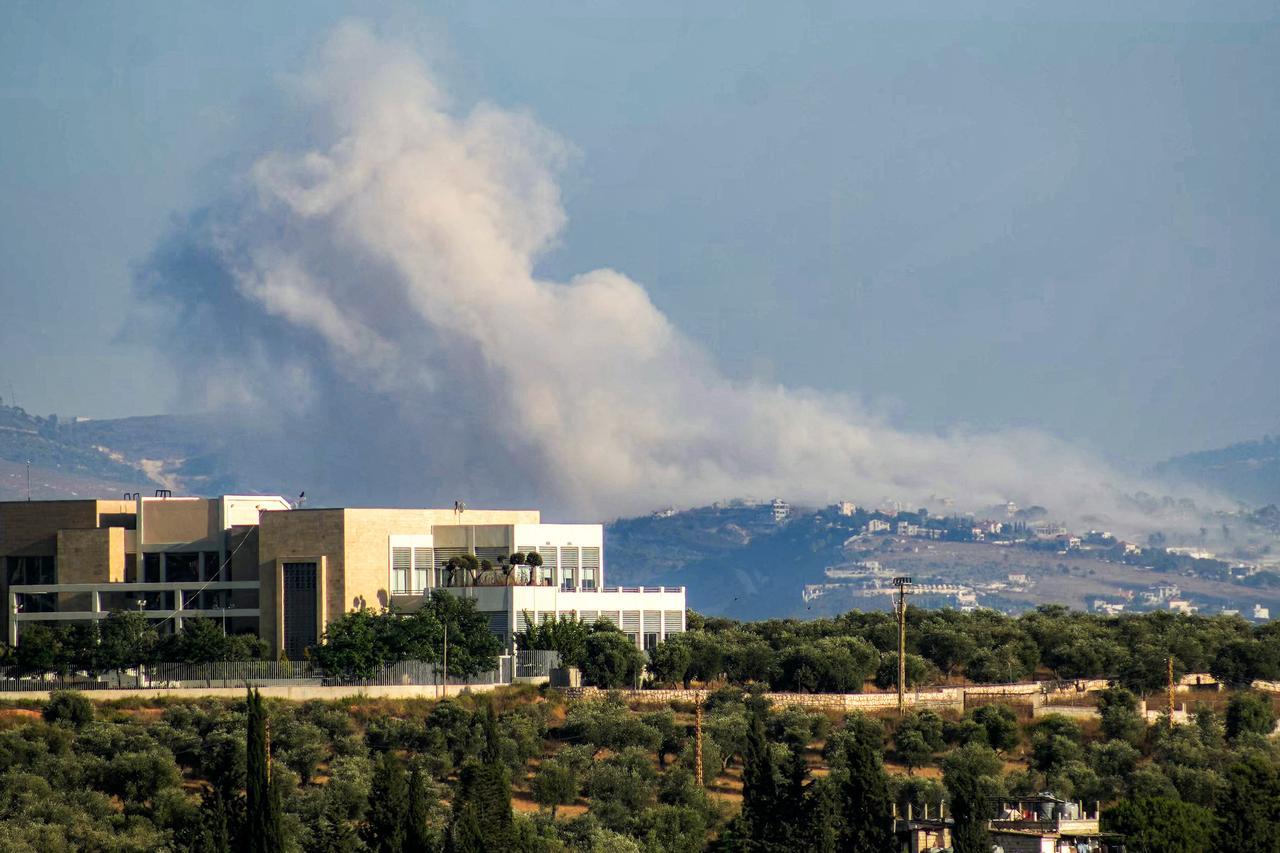
Israeli drones struck Lebanon on Friday, killing a man when an Israeli drone hit his motorcycle in the Lebanese town of Kafr Rumman, according to state-run media.
“A man was killed when an Israeli drone struck his motorcycle in the Lebanese town of Kafr Rumman, according to state-run media, the latest attack despite a United States-brokered framework agreement intended to pave the way for a phased Israeli withdrawal”
The attacks came despite a United States-brokered framework agreement intended to pave the way for a phased Israeli withdrawal, and Lebanon’s National News Agency (NNA) reported that another young man was seriously injured in the same area after a drone targeted his vehicle.

NNA also said two people were injured when an Israeli drone struck a pick-up truck that was unloading rubbish on the outskirts of the towns of Choukine and Kfar Dajjal in the Nabatieh district, while Israeli demolition operations shook the border town of Khiam overnight.
In the same reporting, NNA said drones targeted the town of al-Fawqa and that no casualties were reported there, as the Israeli army was expected to begin withdrawing from so-called pilot areas in southern Lebanon next week.
Lebanon’s Ministry of Public Health said on Wednesday that the death toll from Israel’s attacks on the country had risen to 4,321, with 12,204 others injured since March 2.
Amnesty calls it war crimes
Amnesty International said it investigated three Israeli air strikes in southern Lebanon in March 2026 that killed 24 civilians, including 12 children, and that the attacks must be investigated as war crimes.
Amnesty’s Kristine Beckerle said, “Within the space of just a week – the Israeli military obliterated entire families, including a dozen children, in Lebanon, demonstrating a callous disregard for civilian lives.”
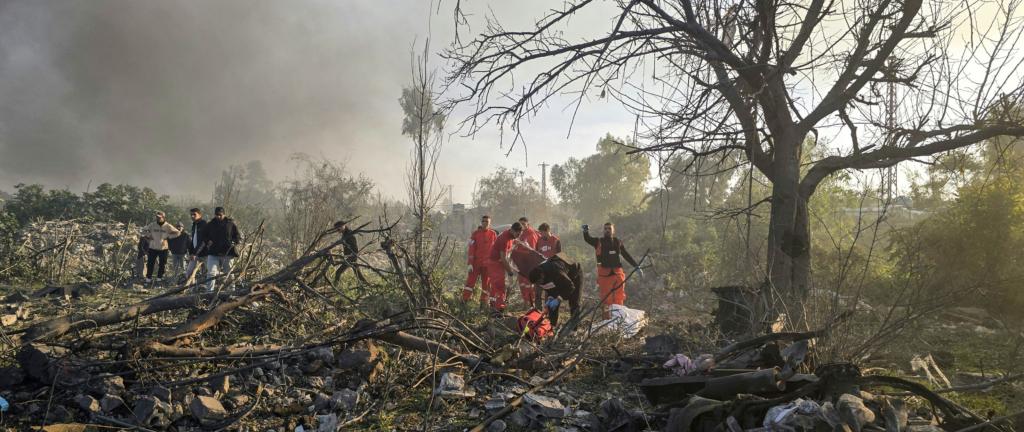
Amnesty also warned that the latest US-brokered Israel-Lebanon agreement signed on June 26 could block accountability, and urged Lebanon to grant the International Criminal Court (ICC) jurisdiction over crimes committed on its territory.
In the same Amnesty account, the organization said it found grounds to conclude that Israeli forces violated international humanitarian law by striking civilians or civilian property, failing to distinguish between military and civilian targets, or failing to limit civilian harm.
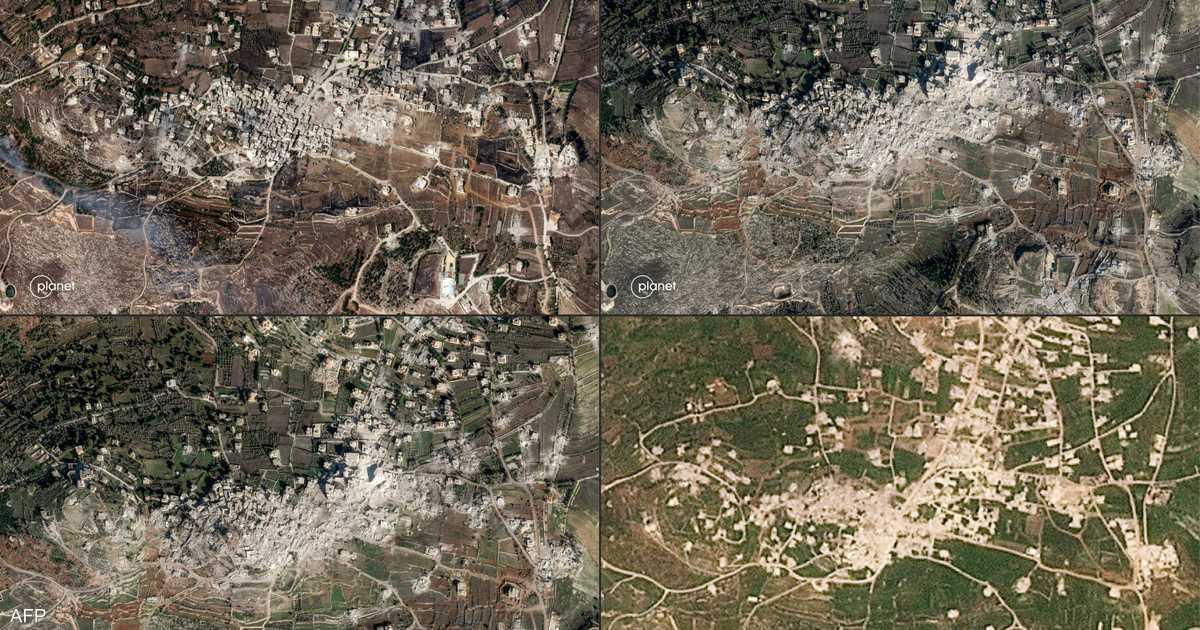
Amnesty said it interviewed 15 people, including survivors, relatives, paramedics, journalists who visited attack sites, and local officials, while its Crisis Evidence Lab analysed satellite imagery and verified 20 photos and 11 videos.
Ceasefire, mediation, and stakes
Lebanon’s political and military leaders condemned the continued attacks and pressed for mediation, with BBC reporting that Lebanese Army Commander Rodolph Haykal headed to Pakistan as Islamabad’s efforts to broker mediation between Iran and the United States continued.
The BBC said Lebanese President Jozef Aoun condemned what he described as a “flagrant violation of sovereignty” after three soldiers were killed in an Israeli airstrike that targeted their armored vehicle in southern Lebanon.
In the same BBC account, Hezbollah Secretary-General Naim Qassem rejected the US-backed ceasefire efforts, describing talks between Lebanon and Israel as “absurd,” while the Lebanese government opposed Hezbollah but sought to end fighting on its territory.
Amnesty’s warning about the June 26 framework agreement intersected with the BBC’s description of conditional ceasefire implementation, as the BBC reported that the agreement called for Israel to refrain from targeting Hezbollah sites in Beirut as long as the party does not attack Israel.
WAFA reported that a Lebanese was killed and two others were injured in Israeli strikes across southern Lebanon on Friday, including a two-wave drone strike targeting a vehicle near Kfar Roumman, as Israeli occupation forces continued to violate the ceasefire agreement.