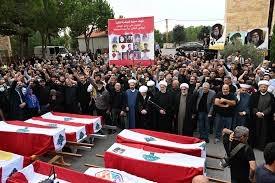
Full story
Evacuation and strikes
Israeli forces intensified operations in southern Lebanon as an Israeli army spokesman, Avichay Adraee, issued a new evacuation order for the localities of Sarafand, Teffahata and Mazraat Sinai.
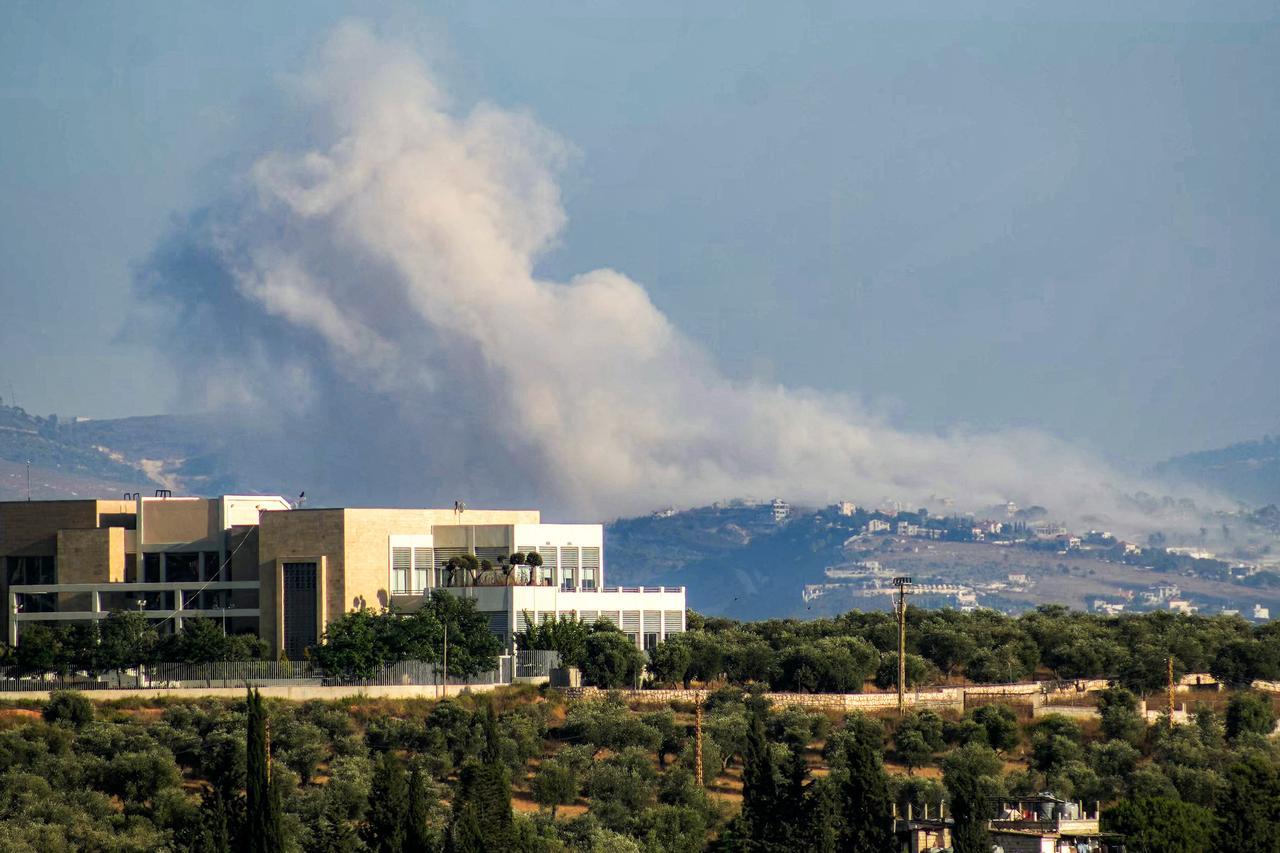
In the same period, Israeli aviation carried out raids that targeted Mansouri, while the Israeli artillery also bombarded Mansouri and other areas, including Sajd and Jabal Rafi’ in the caza of Jezzine.

Ici Beyrouth said multiple strikes caused injuries, including at Chehabiyé where people were hit during two raids near a post recently established by the Islamic health authority.
In parallel, Al-Manar reported that an Israeli drone attacked the town of Mansouri in southern Lebanon, describing the attack as hitting the vicinity of Abu Sharikh roundabout and adding that it left one martyr and several injuries.
Al-Jazeera Net also said the Israeli army continued operations inside what it described as the security zone in Lebanon, aimed at removing threats after airstrikes it said targeted three Hezbollah sites during the past week.
Hezbollah claims and Israeli figures
Hezbollah said it targeted Israeli positions and troop movements, including a claim that it bombarded gatherings of soldiers and vehicles at Chamaa using rockets and artillery shells.
Ici Beyrouth reported that Hezbollah also claimed it repelled an Israeli attempt to advance toward the outskirts of Majdel Zoun, saying a column of twelve armored vehicles was targeted repeatedly and that two Merkava tanks were destroyed.
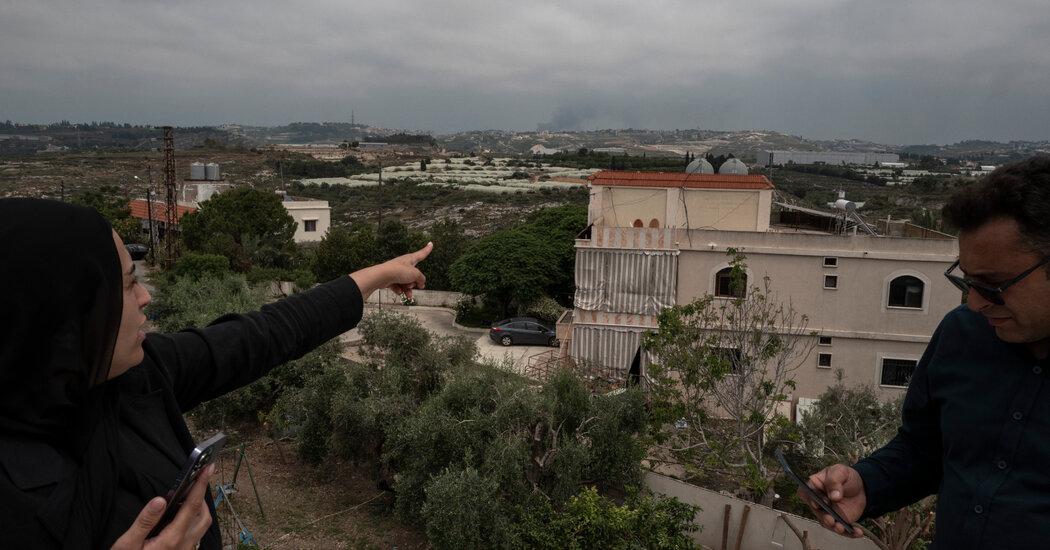
On the Israeli side, Ici Beyrouth quoted Israeli army spokesperson Ella Wawiya saying that near 310 targets attributed to Hezbollah had been struck with aviation support and that about 80 fighters were killed in the south.
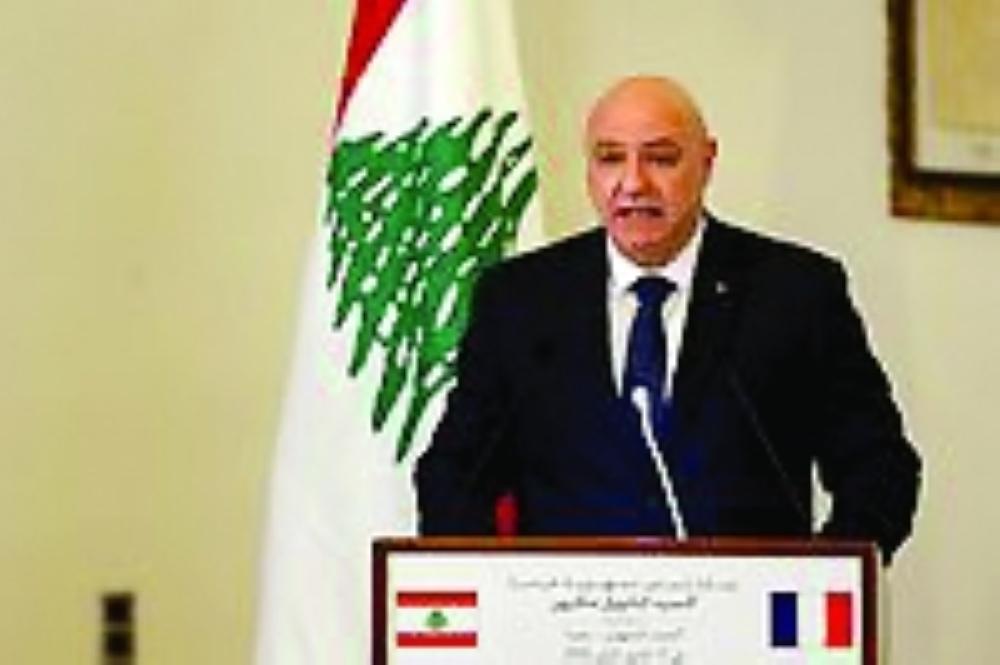
Al-Jazeera Net reported that Lebanese President Joseph Aoun said the framework agreement reached with Israel does not legalize the Israeli occupation in Lebanon, but provides for empowering the Lebanese army to extend its control over the entire Lebanese territory, especially in the south after Israeli forces withdrew.
In the same Al-Jazeera Net account, Aoun added that no one doubts the role of the Lebanese army and that it will assume full responsibility for achieving security and stability in the south.
Displacement, casualties, and policy
L’Orient-Le Jour reported that more than 10,000 displaced people left Akkar for Beirut and southern Lebanon in the last ten days, citing a Disaster Management Cell report led by Akkar governor Imad Labaki.
“Lebanese President Joseph Aoun said on Friday that the framework agreement reached with Israel does not legalize the Israeli occupation in Lebanon, but provides for empowering the Lebanese army to extend its control over the entire Lebanese territory, especially in the south after Israeli forces withdrew”
That same report said the total number of displaced registered in Akkar stood at 7,362 people, representing 1,945 families, and that at the height of the crisis the number had surpassed 17,000 displaced.
L’Orient-Le Jour also described drone strikes near Ghandour Hospital in Nabatie el-Faouka, saying two drone strikes hit a car and that ambulances from the Al-Rissala scouts were dispatched but no casualties had been reported at the time.
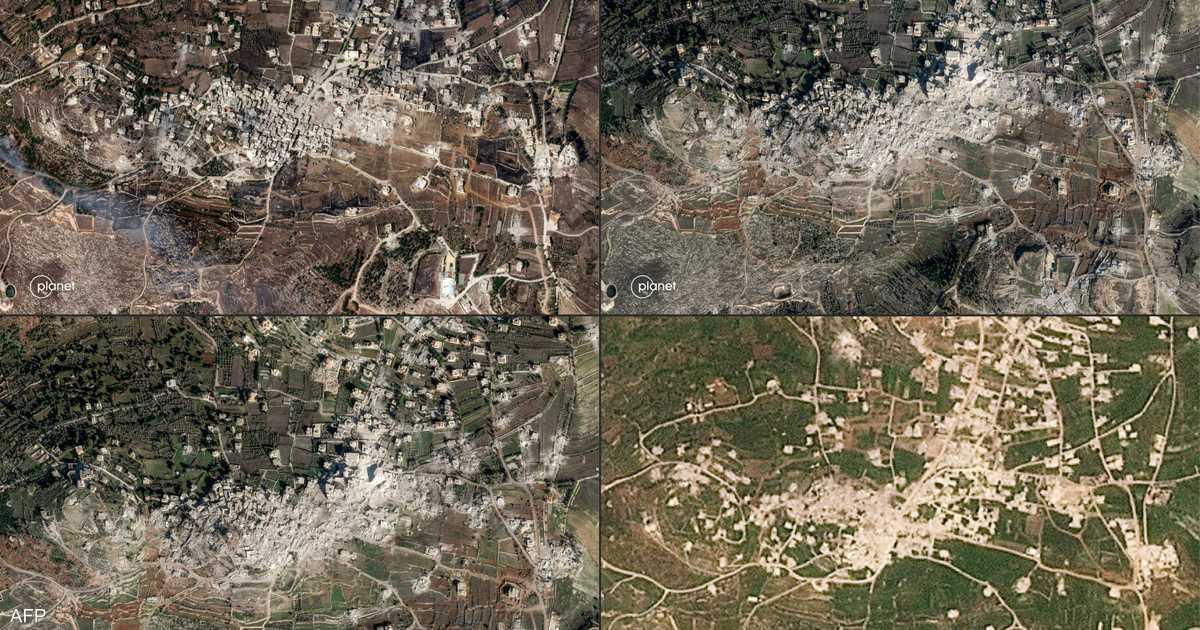
Al-Quds Al-Arabi said the Israeli aggression against Lebanon since March 2 had risen to 3,711 dead and 11,483 wounded, and it added that Israel continues attacks in violation of the ceasefire agreement announced on April 17 and extended until early July.
In that context, Al-Quds Al-Arabi stated that Israel advanced more than 10 kilometers, the deepest incursion since its withdrawal from southern Lebanon in 2000, while it occupied areas in southern Lebanon for decades and others it penetrated during the previous war between 2023 and 2024.