Full story
Beaufort detonations and UN concern
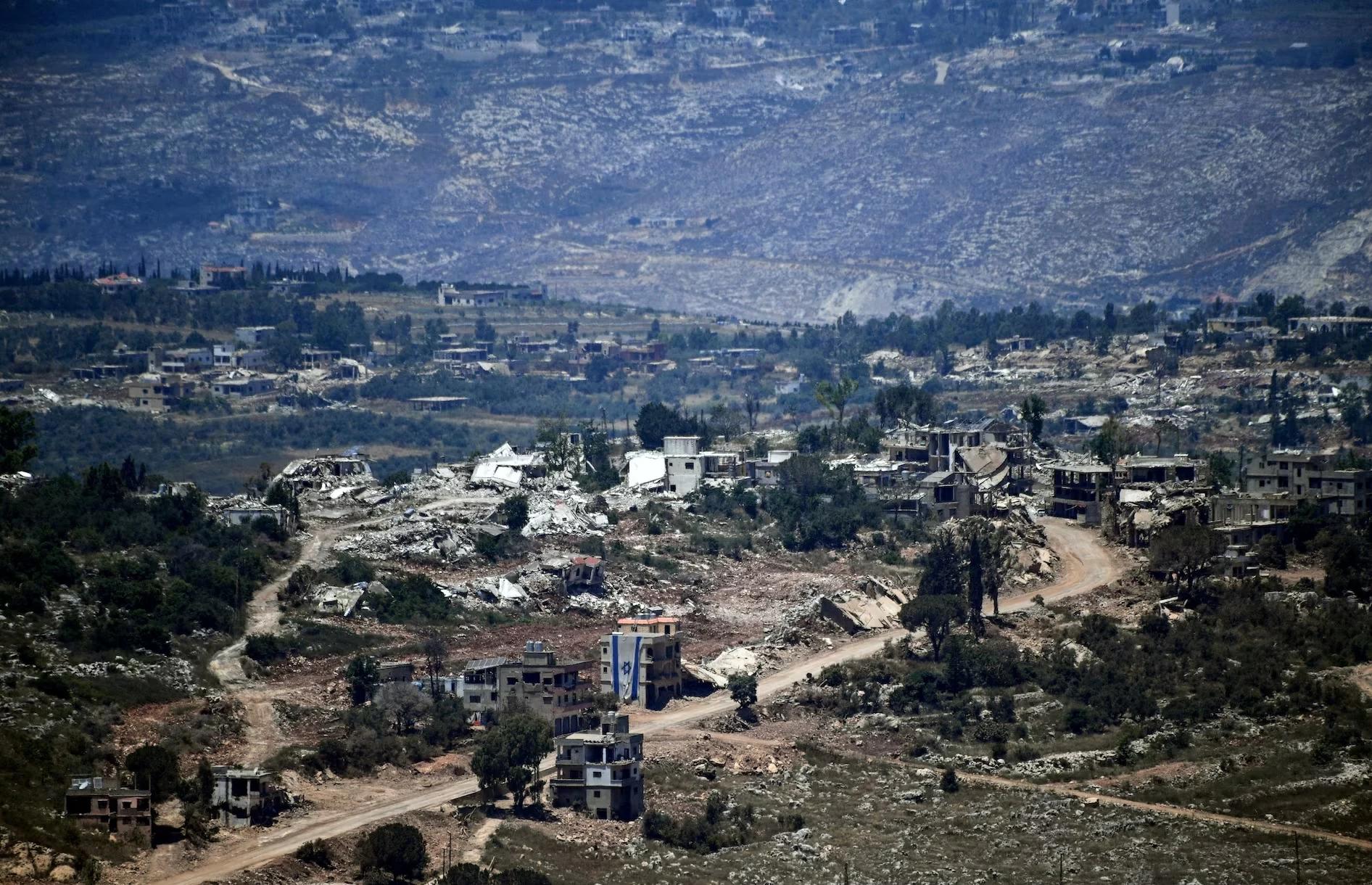
The United Nations mission in Lebanon said it was concerned about ongoing Israeli hostilities in Lebanon in violation of ceasefire agreements, warning that Israeli detonations and demolitions were having a "devastating impact on civilian infrastructure, cultural heritage, and the collective memory of communities."
“"devastating impact on civilian infrastructure, cultural heritage, and the collective memory of communities."”
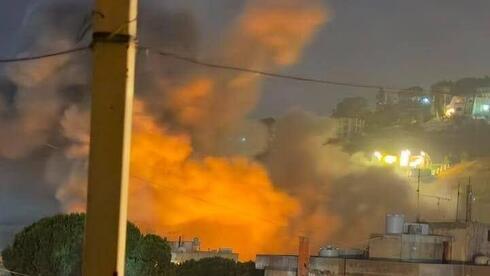
The statement came after Israel carried out large detonations on Friday night near the UNESCO-listed Beaufort Castle in southern Lebanon, alleging the presence of tunnels used by the militant group Hezbollah.
Middle East Eye reported that the scale of the detonations and demolitions taking place in south Lebanon was "deeply concerning," with the UN mission linking the impact to civilian infrastructure and cultural heritage.
In parallel, Shafaq News said the Israeli military carried out a series of large explosions in southern Lebanon on Sunday, including three successive blasts in the areas between Mshaa Al-Mansouri and Majdal Zoun in Tyre district, with the explosions heard across large parts of southern Lebanon.
Hezbollah, officials trade threats
Hezbollah said it targeted an Israeli military bulldozer of the D9 model with a strafing run as it was demolishing Lebanese homes in the town of Bint Jbeil, and Mada Nyooz said the group confirmed a direct hit on the vehicle.
Mada Nyooz also said Hezbollah fighters targeted a Merkava tank in the town of al-Qantara with a strafing run, causing it to be hit decisively, as the operations were described as a response to ongoing Israeli attacks and violations of the ceasefire agreement.

In a separate track of political messaging, Hezbollah Secretary-General Naim Qassem told supporters that the Israeli enemy "will not remain on any inch of our occupied land," and that "our people will return to their lands to the last inch of our southern border".
Meanwhile, Al Jazeera reported that Lebanon’s Prime Minister Nawaf Salam accused Israel of deliberately destroying homes and civilian infrastructure, saying Israel’s "attacks, incursions, demolitions and the systematic destruction of homes represent a serious violation of the principles and rules of international law".
Ceasefire fragility and next steps
Al Jazeera said Lebanon and Israel have held seven rounds of US-mediated talks, four in Washington and three in Rome, aimed at implementing the June framework agreement under which Israeli forces were meant to withdraw gradually from occupied Lebanese territory as the Lebanese army deploys to replace them, starting with limited "pilot zones."
“"pilot zones"”
The same report said Hezbollah is not party to the talks and has said it will pull back from south of the Litani River but will not disarm to the north, while Lebanese authorities said Israeli strikes and ground operations since March have killed 4,333 people and displaced more than a million.
Al-Jazirah Net reported that Israel and Lebanon agreed on a short list of potential contributors to a proposed mechanism that could include deploying foreign troops in Lebanon to verify the disarmament of Hezbollah, with Reuters citing informed sources that the list was reached during talks held in Rome last week under American auspices.
Reuters also reported that a U.S. State Department official said Washington expects all parties to act in a manner consistent with the framework they agreed upon, adding that "Permanent military presence in southern Lebanon does not fit the commitments in the framework".