
Gaza Genocide · updated 1h ago · 3 min read
Israeli Forces Used 83 Bombs To Prevent Rescue After Hassan Nasrallah Assassination
Israeli airstrike in Beirut killed Nasrallah on Sept. 27, 2024. Reports say Israel planned to prevent rescue teams at the site using a heavy strike.
Whether lethal intent includes planned post-strike denial.
4 of 5 outlets skipped it: israel aimed to block access for 12 hours after the strike.
www.ynetnews › article was read line by line by the Watchdog: 3.9. See the score →
14outlets compared
Same story, two versions
tap a side to read it in full
Today
“We wanted to be sure that Nasrallah would die, if not from the direct strike, then at least from hemorrhaging or asphyxiation due to a lack of oxygen.”Read the original ↗
Yynetnews
“According to the IDF, more than 80 bombs were dropped on the bunker as part of an operation dubbed ‘New Order.”Read the original ↗
Today emphasises a post-strike lethal plan and time blocking. ynetnews stresses bomb numbers and the IDF frame over rescue and lethality details.
Assassination plan and rescue denial
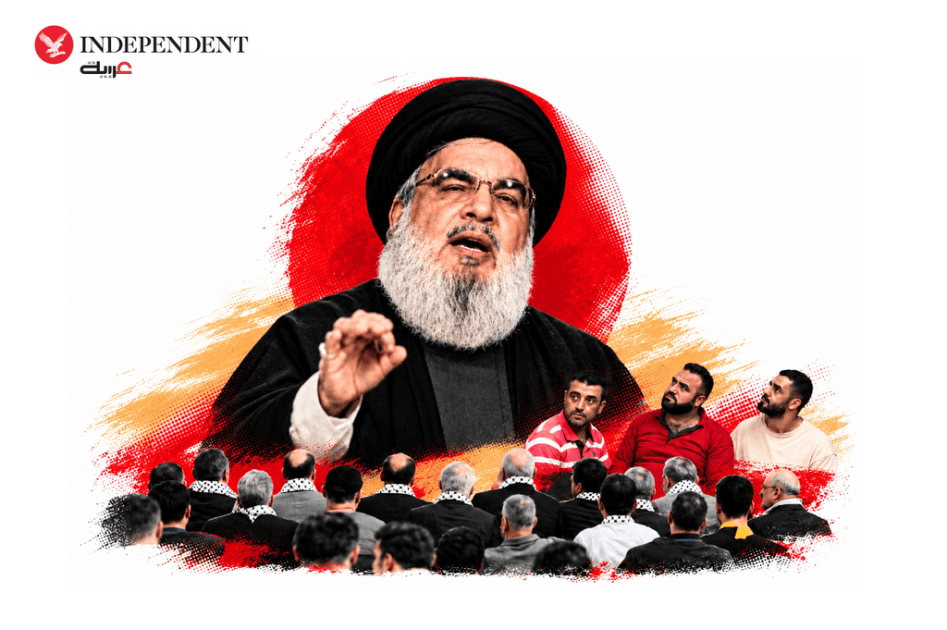
Israeli reporting tied to the two-year anniversary of Hassan Nasrallah’s assassination says the Israeli army drafted two plans, one for the assassination and another to prevent a rescue. A senior former Israeli officer said the forces dropped 83 bombs during the operation and that the plan destroyed “every vehicle approaching the explosion site” and “every opening that could lead to the depth of the tunnels.” The officer said Israeli forces kept 12 hours on standby after the blast to prevent anyone from approaching the site, and he described destroying a first bulldozer and a second bulldozer as they approached.
The officer added that when a rescue force approached from another side, it appeared to be an entrance to the tunnels and Israeli forces destroyed it too, concluding that Nasrallah would die from “lack of oxygen or from bleeding and from no access to any medical aid.” The same reporting said Israel later used a similar force to target Hashem Safi al-Din, who was seen as a possible successor to Nasrallah.
Intelligence, pager shocks, and timing
Israeli officers described to Euronews how intelligence knew Nasrallah’s location “at every minute,” and they said the raid moved quickly because they feared he might move from a location they were monitoring.
Major “G” said, “We had no blind spots when it came to him. We knew his location at every minute,” and Reserve Major “R” said the alarm-device explosions created confusion and forced Hezbollah to rethink its methods.
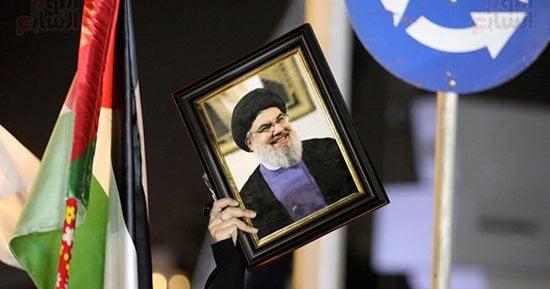
The same reporting said the officers believed Nasrallah remained at the site intelligence knew, despite expectations that he would move after the explosions and the assassination of several party leaders.
Al-Yawm as-Sābiʻ said Israeli reports indicated Nasrallah was in a very bad psychological state after Israel’s success in assassinating a large number of party leaders, including Sami Taleb Abdullah and Ibrahim Aqil and Wissam al-Tulayl.
Al-Arabiya said Nasrallah’s speech on September 19, 2024 conceded that the party had suffered an “unprecedented” security and human blow, while he announced the continuation of “Jabhat al-Isnad” and linked its cessation to a halt in the war on Gaza.
Aftermath, Hezbollah rebuild, and leadership
Israeli reporting said two years after Israel assassinated Hezbollah leader Sayyed Hassan Nasrallah, the group he shaped for decades is “still struggling to rebuild its command structure, military capabilities, and strategic standing.” The Jerusalem Post report said Nasrallah descended into an underground compound in Beirut's Dahiyeh neighborhood beneath a multi-story residential building, and it said “Two years later, the organization is still trying to fill the vacuum he left behind.” The same Jerusalem Post account said Israeli assessments hold that between one-third and one-half of Hezbollah's operational manpower was hit and put out of action, and it described damage to command-and-control systems from the highest leadership levels down to tactical ranks.
Al-Yawm as-Sābiʻ said Israeli assessments indicated that between one-third and one-half of the party’s operational force had been struck and was out of service, and it said Hashem Safi al-Din was killed before Na’im Qassem was named secretary-general. Palestine Chronicle reported that Iran’s leader Sayyed Mojtaba Khamenei marked the second anniversary of Nasrallah’s killing by praising Nasrallah’s “sincere speeches and courageous actions” and saying the “honorable banner of the Resistance is now in the hands of Hezbollah Secretary-General Sheikh Naim Qassem.”