West Bankupdated 1h ago2 min read
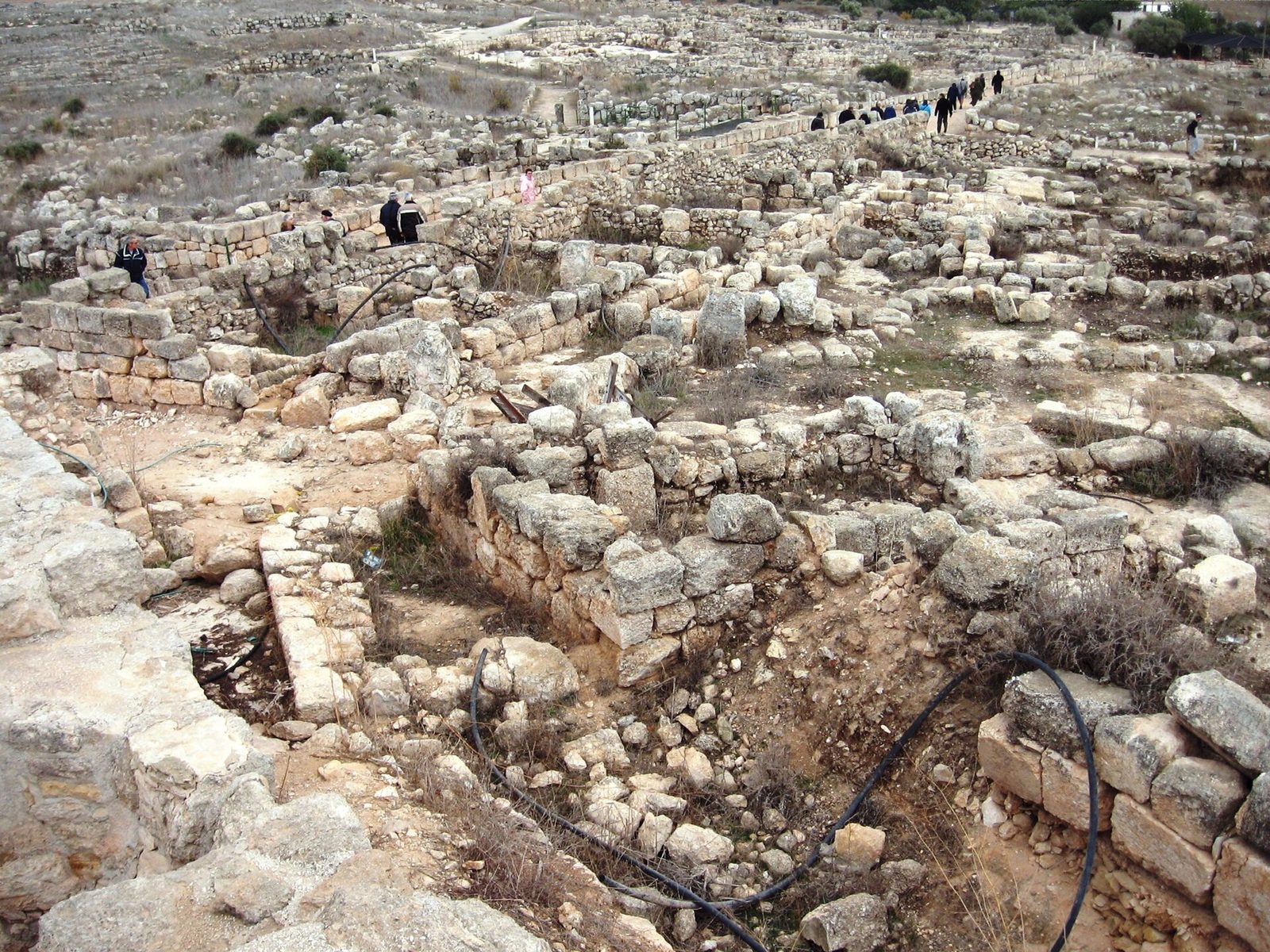
Archive photo · 6 December 2007Israeli Settlers Attack Hamdan Ballal After Oscar Win, Israeli Police Release Him
“The cameras were watching him again on Tuesday, a hand to his bruised face”
“The military reportedly said several terrorists hurled rocks at Israeli citizens”
Photo: Daniel Ventura, CC BY-SA 4.0 · Cropped for layout
This article is an automated aggregation of coverage from news outlets. Our editorials offer in-depth analysis curated by the NewsCord team.
Israeli settlers attacked Hamdan Ballal in Susya, injuring him and filming the assault. Ballal was detained by Israeli forces after the attack and later released.
Save coverage image
Susya attack and detention
Hamdan Ballal, the Palestinian filmmaker and codirector of the Oscar-winning documentary No Other Land, said he was attacked by Israeli settlers for winning the prestigious award and called the “brutality” life-threatening. Israeli police released Ballal on Tuesday after detaining him the day before for allegedly “hurling rocks,” and the Israeli military said three Palestinians were apprehended on Monday for “hurling rocks” during a confrontation between Israelis and Palestinians in the southern West Bank village of Susya.
Ballal told AFP in a video interview, “I felt that these were the last moments of my life, that I would lose it due to the severity of the beating,” and he described his head being trapped “as if it were a football.” The Israeli Defence Force said “IDF and Israeli Police forces arrived to disperse the confrontation,” and it added that “several terrorists began hurling rocks at the security forces.”
Competing accounts of violence
Yuval Abraham, who co-directed No Other Land, posted on X that “A group of settlers just lynched Hamdan Ballal… They beat him and he has injuries in his head and stomach, bleeding.” Lea Tsemel, Ballal’s lawyer, told NPR that her client said he was punched and kicked by settlers, while the Israeli military said security forces “apprehended three Palestinians suspected of hurling rocks” and an Israeli civilian involved in the violent confrontation.
Josh Kimelman, a 28-year-old American living in the West Bank for three months with the Centre for Jewish Nonviolence, disputed the IDF’s version and said, “What I know is that there were Palestinian shepherds who were harassed by settlers and then a settler mob started to attack houses here.” Basel Adra, Ballal’s co-director, said he heard news that Hamdan was about to be released after paying bail, and he also said, “There have been 45 attacks since the beginning of the year - just in this small village, not the entire Masafa Yatta.”
Aftermath and wider stakes
The European Union’s office to the Palestinians in Jerusalem said the incident “highlights the ongoing issue of settler violence in the West Bank, where perpetrators are consistently not held accountable by Israeli authorities,” after it decried the settler attack on Susya and the subsequent arrest of Hamdan Ballal. Basel Adra said Ballal was in a hospital in Hebron after his release, and he wrote, “He was beaten by soldiers and settlers all over his body,” while also saying “The soldiers left him blindfolded and handcuffed throughout of military base last night.”
The BBC described Ballal walking away from detention in bloodstained clothes after almost 24 hours in Israeli detention, and Ballal told reporters the night before that “settlers and soldiers [were] attacking my home.” The documentary No Other Land, which Ballal co-directed, chronicles the forced displacement of Palestinians by Israeli troops and settlers in Masafer Yatta, an area Israel declared a restricted military zone in the 1980s, and the film’s setting is tied to the violence Ballal said he faced after the Oscar win.