
Full story
Ali al-Taher Siege Escalates
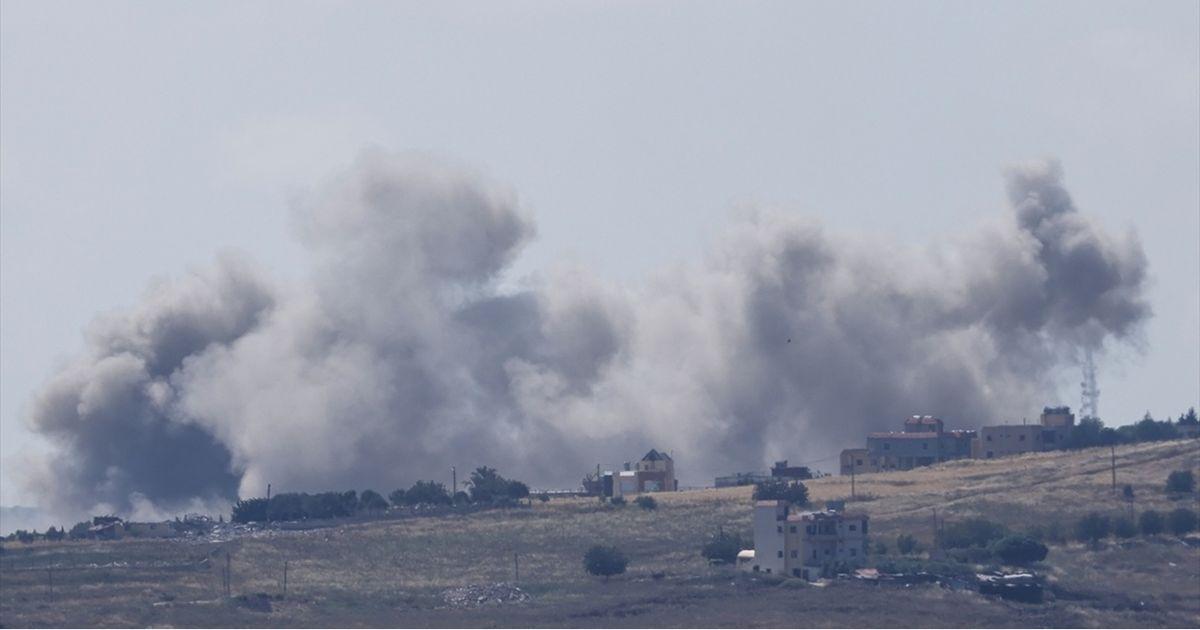
Intensified Israeli shelling targeted the town of Zotra al-Sharqiya in southern Lebanon on Friday morning, while warplanes carried out airstrikes in two waves targeting the Alay al-Tahir heights and the outskirts of Binta al-Fuqah.
“announcing the completion of "cleansing" of underground infrastructure”
In the same southern Lebanon theater, the Israeli army claimed it had achieved “operational control” over the land and beneath it in the Alay al-Tahir heights area and announced the completion of “cleansing” of underground infrastructure it said belonged to “Hezbollah.”
A separate report said Iranian advisors and elements of Hezbollah were besieged inside high-lying tunnels beneath al-Taher South Lebanon, with The New York Times quoting an IRGC official saying the siege surrounds roughly 70 to 100 individuals.
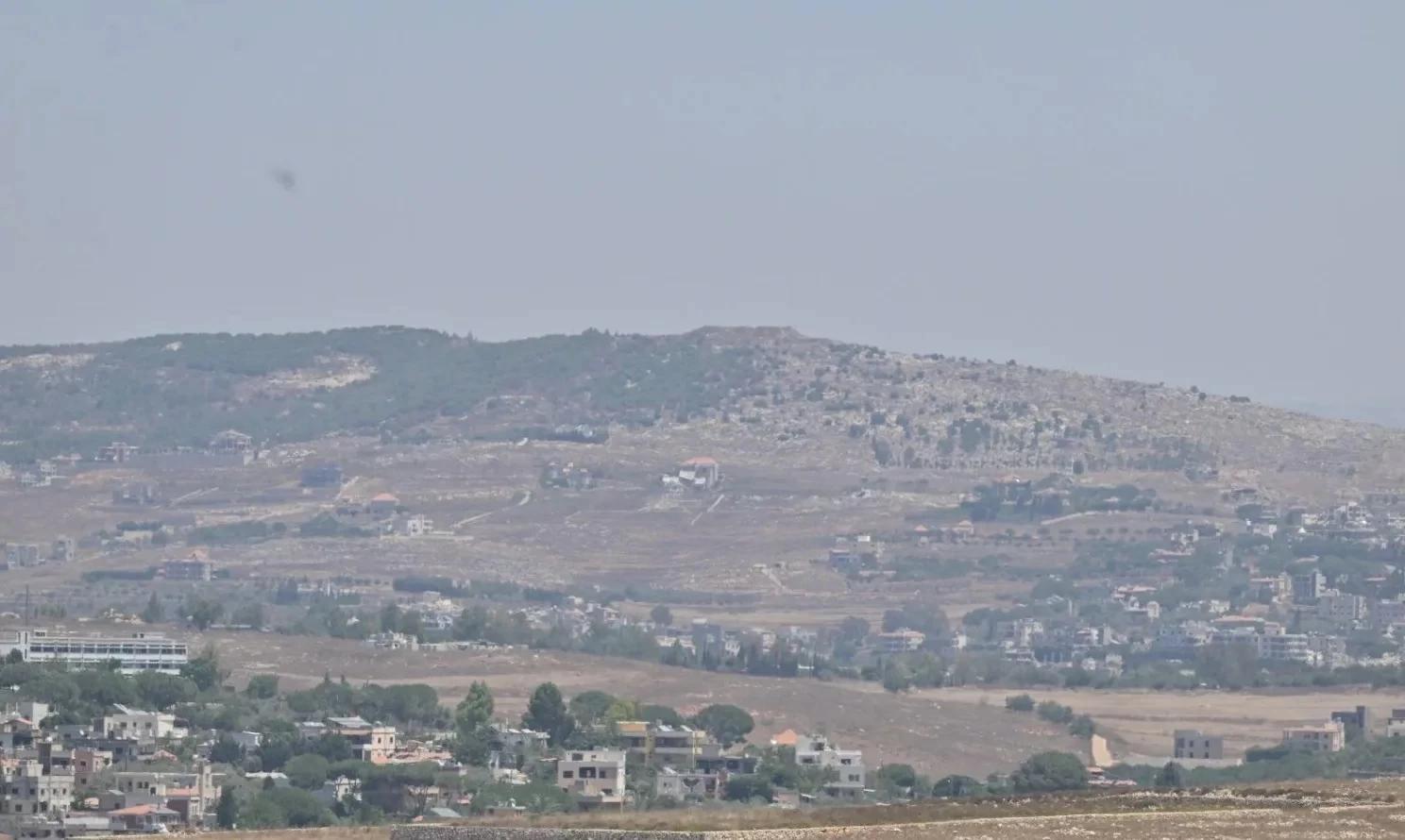
The accounts tied the standoff to the Ali al-Tahir ridge’s commanding view and tunnel network, with one report describing two exits already under Israeli control and a third exit on the verge of collapse due to ongoing military operations.
The fighting has continued since March 2, 2026, leaving more than 4,000 martyrs and over 12,000 injured, and forcing displacement of more than one million people, according to Lebanese authorities cited in the coverage.
Warnings, Denials, and Drone Supply
Iran warned the United States that it would respond forcefully to an Israeli offensive on the mountainous ridge in southern Lebanon where Iranian military personnel are holed up alongside Hezbollah fighters, Reuters reported through three officials briefed on the message.
A White House official told Reuters, "this is not accurate," in response to questions about the message and whether the U.S. had put pressure on Israel not to attack Ali al-Taher.
Hezbollah’s media office, responding to Reuters questions, said, "Iran considers any Israeli move on the ground in southern Lebanon, especially territorial expansion, a major violation of the Islamabad Agreement," while also describing the warning as a “natural conclusion.”
The siege narrative included attempts to break the logistical blockade, with Hezbollah trying to use drones to deliver basic supplies of food and water to those trapped inside, but reports said Hezbollah members who came out to receive supplies were targeted by Israeli forces.
The same Reuters reporting said Israeli forces tried to smoke out Hezbollah and IRGC personnel by besieging them and shooting down attempted drone deliveries of food and water to the ridge.
Political Stakes and “Security Zone”
Israel’s declaration of control over the Ali al-Tahir heights was framed as consolidation of a “security zone” in occupied parts of southern Lebanon, with Defense Minister Israel Katz saying the capture marked “the completion of the phase of securing control.”
“"will now complete the neutralization of the tunnels”
Katz also vowed that Israel’s military “will now complete the neutralization of the tunnels and prepare in the appropriate tactical manner to hold the ridge,” while saying troops would not leave the area.
The reporting tied the operational push to the political calendar, noting that Katz and Prime Minister Benjamin Netanyahu face close-fought elections on October 27 and that Netanyahu’s government sought a “clear and uncompromising line” on Lebanon.
The same account said Israel will not withdraw from the security zone until Hezbollah is disarmed throughout Lebanon and threats over the residents of the Galilee are removed, and it warned that any attempt by Hezbollah to launch attacks “will be met with force.”
Other coverage described the ridge as a flashpoint that could jeopardize the fragile ceasefire understandings, with the New York Times describing the operation as a “highly dangerous step” that could lead to a renewed flare-up.