Full story
Ansar strike kills civilians
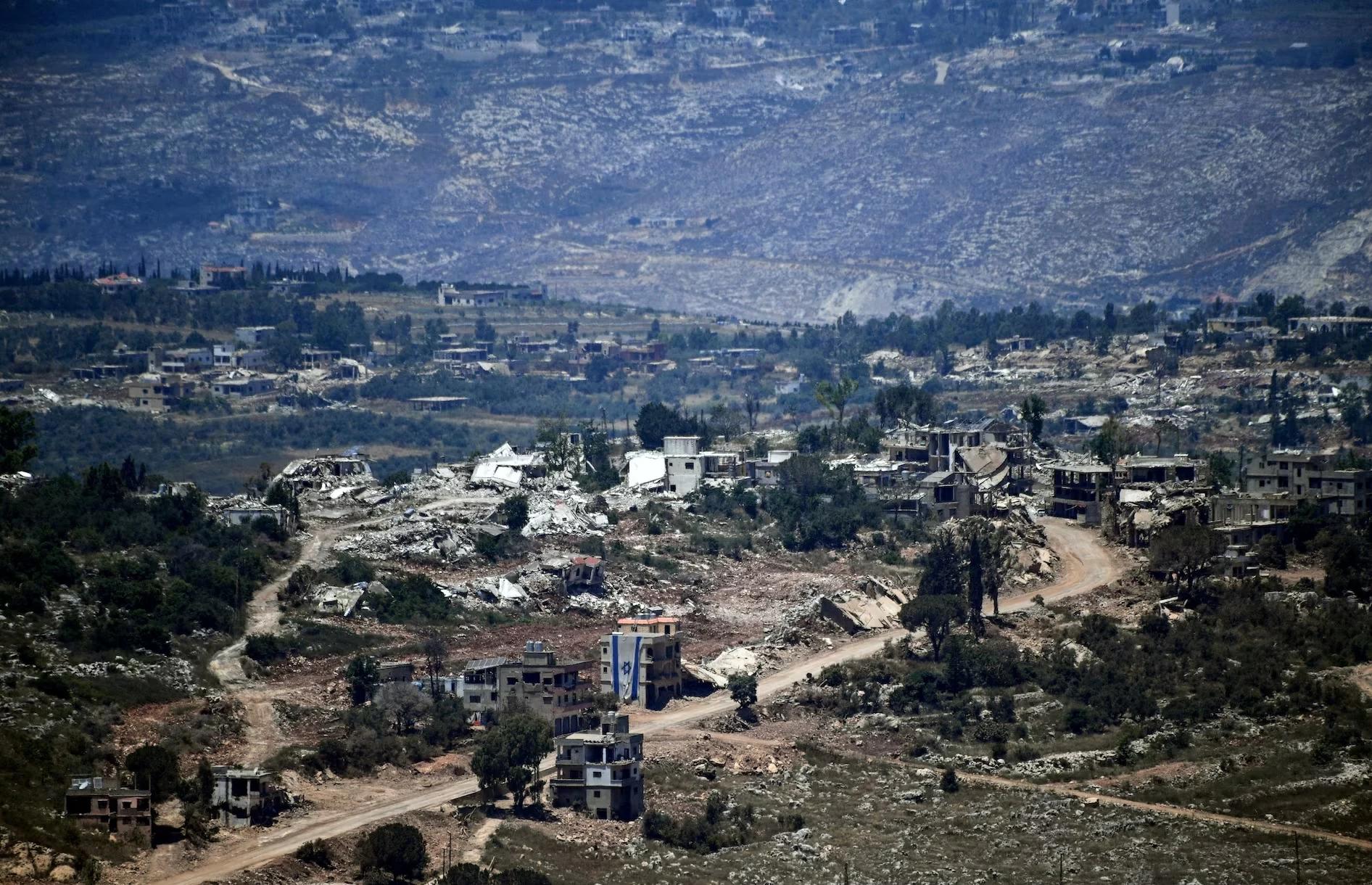
Israeli airstrikes hit the village of Ansar in the Nabatieh district in southern Lebanon, with Lebanese daily Al Akhbar reporting that a raid on Ansar caused the death of several people and left others injured.
“a raid carried out on the village of Ansar, in the Nabatieh district, caused the death of several people”
The attack added to a sequence of military escalation that Al Akhbar said has continued to intensify in recent weeks, seemingly contradicting a ceasefire agreement that came into force on November 27, 2024.

In a separate account, Al Jazeera said a strike hit a house on the outskirts of Ansar early on Saturday, destroying the building and killing seven people while three others were wounded, with children and members of one family among those killed.
Al Jazeera’s Ali Hashem, reporting from Nabatieh, said, “This is an area seen by people as safe, but an air attack has now hit,” describing how the attack increased fear among residents as Israeli strikes and demolitions continued across southern Lebanon.
The Israeli military said it struck what it described as Hezbollah infrastructure in the areas of Nabatieh and Ansar, saying the attacks came in response to an action against Israeli soldiers at the Ali al-Taher Ridge.
Salam rejects Israel’s account
Lebanese Prime Minister Nawaf Salam rejected Israel’s account of the Ansar strike, calling the escalation in Nabatieh, Ansar, Deir al-Zahrani and surrounding villages “extremely dangerous” and saying it was undermining efforts to consolidate stability in southern Lebanon.
Salam said, “The seven people killed in the Israeli strike on Ansar are not ‘military infrastructure’, and the children and women killed in it are not military targets,” and he added that responsibility for dealing with any military infrastructure on Lebanese territory rests exclusively with the Lebanese state.

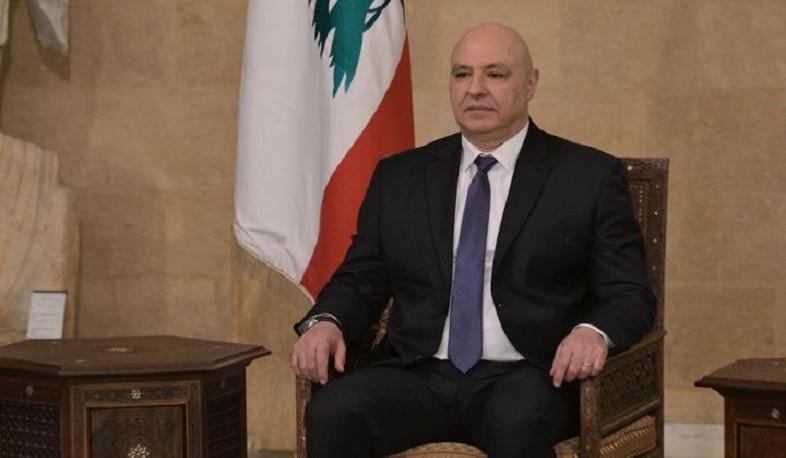
Al Jazeera also reported that Lebanese President Joseph Aoun condemned the continuing Israeli attacks on southern Lebanon, particularly in Nabatieh and surrounding areas, saying they constituted repeated violations of the framework agreement and international laws protecting civilians.
In a different framing, BBC reported that Israel’s military said it had struck “Hezbollah terror infrastructure” in response to what it described as an earlier action against its soldiers, as strikes intensified across parts of southern Lebanon overnight.
BBC further quoted Salam saying, “Israel must halt this escalation,” and tied the demand to the security of civilians and their right to life on their land.
Framework talks face pressure
The renewed strikes in southern Lebanon came as the June framework agreement calls for Hezbollah’s disarmament, the gradual withdrawal of Israeli forces and the deployment of the Lebanese army in southern Lebanon, with Hezbollah not involved in the agreement and having rejected direct negotiations.
“Katz said Israeli forces currently control about 700 square kilometres of Lebanese territory”
Al Jazeera reported that Israeli Defence Minister Israel Katz said Israel would not withdraw unless Hezbollah was disarmed and the “threat” posed by the group was removed, and Katz said Israeli forces currently control about 700 square kilometres of Lebanese territory, or roughly 7 percent of the country.
BBC said Lebanese and Israeli negotiators were set to meet for an eighth round of negotiations in September, but that a final date had not been set.
In a separate tally, Anadolu Agency said the Lebanese Ministry of Health reported that the toll from Israeli air raids since the early hours on Saturday rose to 11 dead and 19 injured, including children and women, with an Israeli air raid on Deir al-Zahrani resulting in the death of 4 people and the injury of 17 others.
Anadolu Agency also reported that the Israeli army claimed its raids were in response to a “military action” carried out by Hezbollah against its forces in the Al-Taher Hill area, while the party said, “This Israeli escalation, by targeting civilians and widening the circle of targeted areas” reflects a desire to escalate the war for political objectives.