Full story
Strikes and deployment
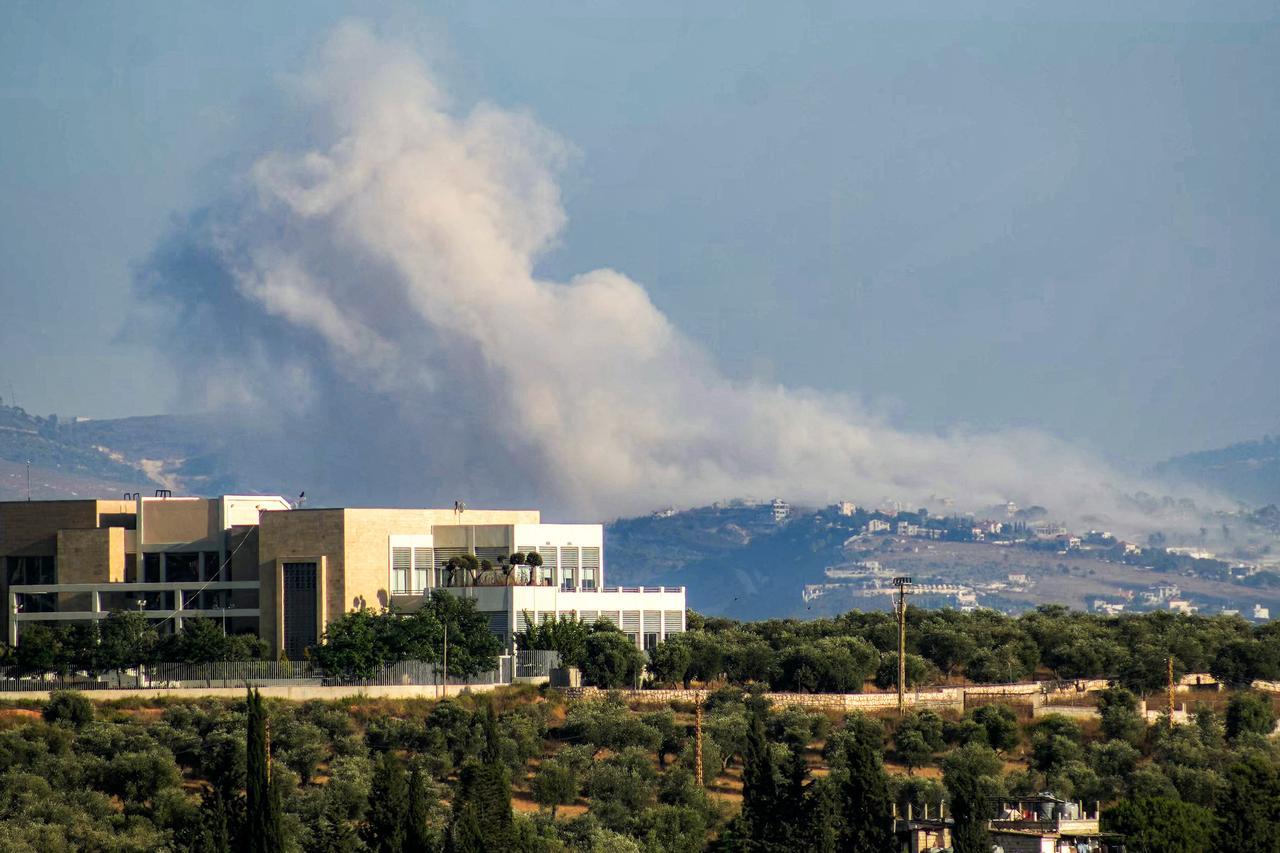
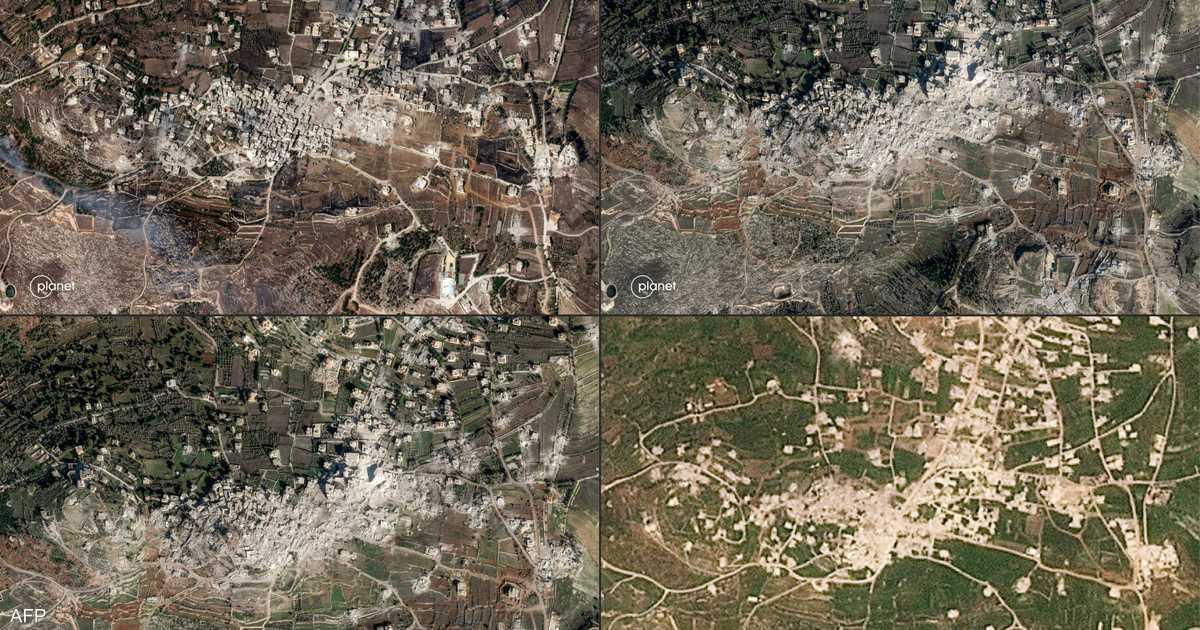
Lebanon’s Health Ministry said Israeli strikes in Lebanon have killed 1,530 people since the resumption of fighting between Hezbollah and Israel on March 2, and the toll published on Tuesday, April 7 listed 102 women, 130 children and 57 members of medical staff killed, with 4,812 wounded.
“Amid Lebanon's internal controversy and division over the framework agreement signed with Israel, press leaks indicate that the United States intends to deploy forces in southern Lebanon to monitor the commitment of the Lebanese and Israeli armies to the agreement”
The franceinfo report also said the Israeli army, via a military statement, announced it had completed the deployment of its ground troops in southern Lebanon up to an 'advanced defense line' against Hezbollah fighters.

The same report said a Lebanese military source told AFP that the Israeli army had progressed on three axes 'between five and nine km' along the Lebanese coast, and it added that Israeli newspapers said the general staff does not intend to push the troops’ advance beyond about twenty kilometers north of the border.
In parallel, the Le Parisien report said the Israeli army announced on Tuesday that it had completed in southern Lebanon the deployment of its ground troops up to an 'advanced defense line' against fighters from Hezbollah.
Le Parisien added that the Israeli forces 'have now completed their deployment on the anti-tank line and are continuing their operations' to reinforce that line and distance the threat weighing on residents of northern Israel.
Post-UNIFIL coalition plans
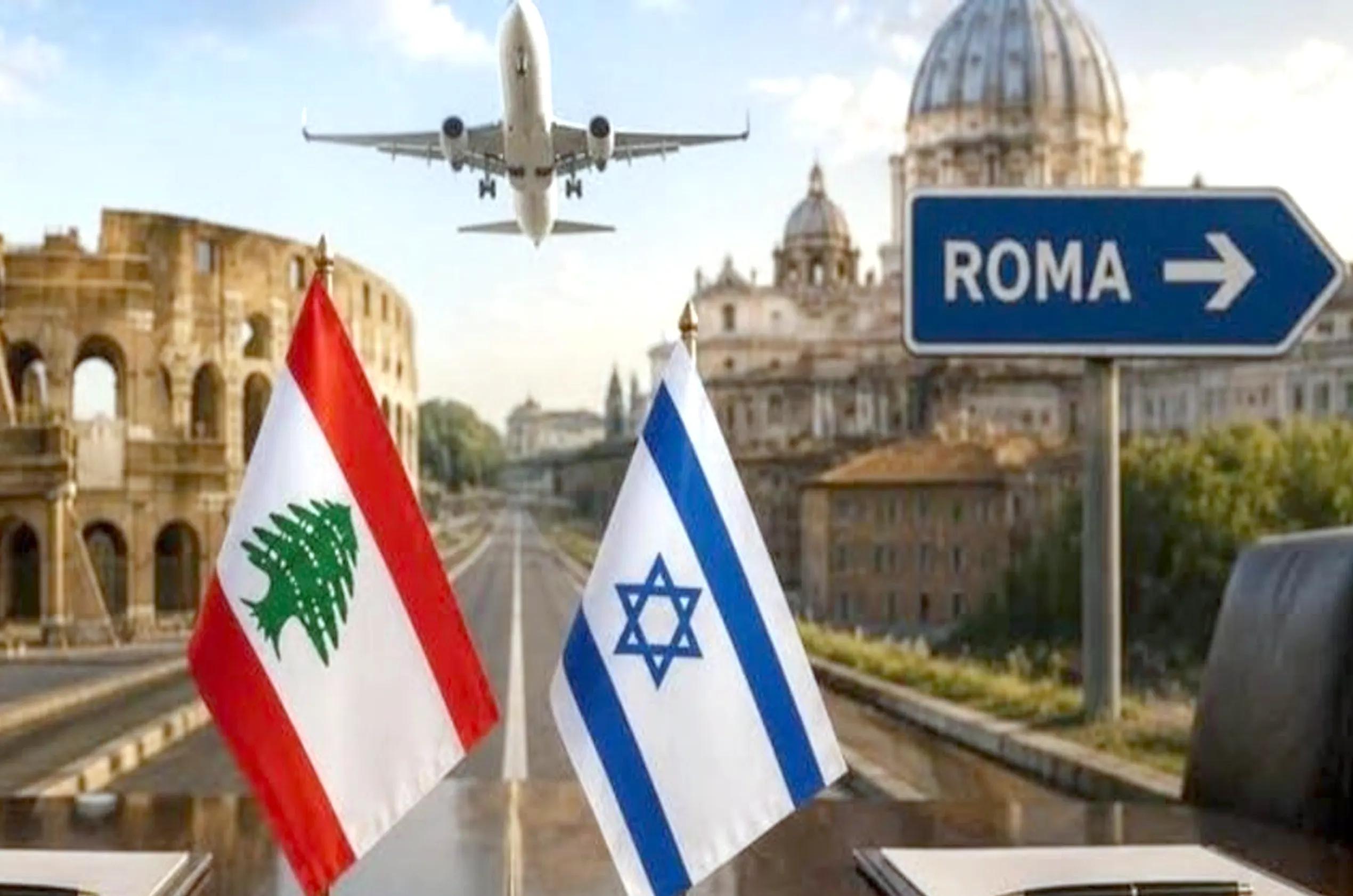
As UNIFIL’s mandate nears its end, France and Italy are preparing a post-UNIFIL international coalition for southern Lebanon, with the French Foreign Ministry telling Al-Hadath TV that Paris is coordinating with Italy to deploy forces with U.S. support after UNIFIL ends.
The IMLebanon report said the French Foreign Ministry stressed the deployment would be based on Lebanon's request and aimed at supporting the Lebanese army in carrying out its duties and strengthening stability in the south.

In a separate account, Iyālaf said Italian Prime Minister Giorgia Meloni told Reuters that Italy and France agreed to form a coalition to support Lebanon after the UN interim force in Lebanon ends its mission, and it said the UN Security Council extended UNIFIL’s mandate for the last time to December 31, 2026.
Iyālaf also said the UNIFIL file shifts from a UN discussion about a peacekeeping force to a broader question of who will help Lebanon manage the south after the end of the international mandate, and it noted that the EU’s Foreign Policy Service proposed a three-year mission to advise and train Lebanese security forces.
The same Iyālaf report said Lebanon informed concerned states and the UN Secretariat of its desire to deploy a multinational replacement force, while it described the search for replacements as frozen for the time being as negotiations between Lebanon and Israel moved to a direct table in Washington.
American monitoring and rejection
Press leaks described a U.S. role in monitoring the framework agreement signed with Israel, with Al-Jazeera Net saying an American official told The Washington Post that the United States will play a direct role in monitoring the movements of the Lebanese army and the Israeli army.
Al-Jazeera Net reported that the official said the commander of the U.S. Central Command (CENTCOM) will not take on a direct role in monitoring either side, but CENTCOM officials will brief the Trump administration about violations so it can intervene.
Euronews added that the Washington Post, citing an unnamed senior U.S. official, reported the American administration plans to take a direct role in monitoring the movements of the Lebanese and Israeli armies, and it said this role would include an actual presence of American troops on the ground in both countries.
Euronews also said the framework agreement was signed on June 26, 2026 in Washington under American auspices and met with broad rejection within the Lebanese arena, especially by Hezbollah.
It quoted Hezbollah secretary-general Na'im Qassem saying his party would treat the agreement as 'nonexistent,' calling it a dangerous concession of national sovereignty.