Europeupdated 55m ago3 min read
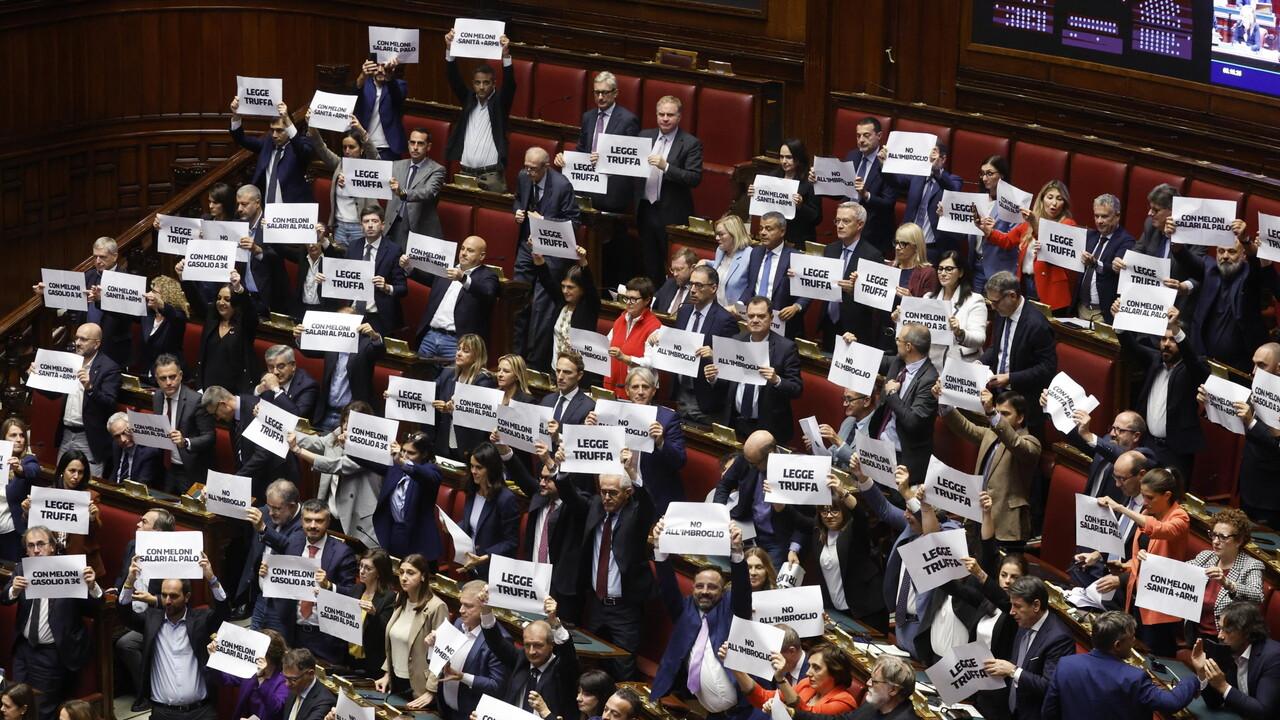
Italy’s Chamber Approves Giorgia Meloni’s Stabilicum Electoral Reform After Elly Schlein Protest
Chamber of Deputies gave final approval to Meloni’s electoral reform. Reform awards a parliamentary majority to those over 42%.

30 outlets told this the same way.
Outlets did split on Marco Rubio Urges Europe To Awaken From Slumber In Athens Speech →
Italy’s electoral overhaul passes
Italy’s Chamber of Deputies approved Prime Minister Giorgia Meloni’s electoral reform with 227 votes in favor and 164 against, giving the measure final approval in Rome. Elly Schlein protested during the Chamber of Deputies meeting ahead of the final vote, as the secret ballot handed Meloni a key political victory while setting up a likely constitutional battle over the reform. Meloni’s reform, dubbed “Stabilicum” by supporters and “Melonellum” by critics, would award bonus parliamentary seats in both houses to a winning preelection alliance provided it wins at least 42% of the national vote.
The reform would abolish Italy’s current mixed electoral system and replace it with a fully proportional system, while requiring coalitions to agree on a common prime ministerial candidate and political platform before the election. Meloni hailed the overhaul as a step toward greater voter choice, saying, “Italians would be able to vote for a party, coalition, governing program, prime ministerial candidate and, once again, their own lawmakers.”

Opposition calls it scam
Elly Schlein told reporters, “Go ahead and change the electoral law, we will win in any case under any voting system,” as centre-left lawmakers accused Meloni’s right-wing coalition of pushing through what they called a “scam law.” Giuseppe Conte said the move was “a mess, a convoluted scheme, devised solely to find a formula to gain an advantage in the upcoming elections,” and he framed the reform as unconstitutional. Meloni warned she could resign and trigger an early election if the plans were rejected, and the secret ballot was described as a test of her authority.
Meloni posted on social media that “To those who hoped to see the centre-right divided, today we respond with facts: we are united, cohesive, and determined to carry forward the commitments made to citizens.” The reform’s majority prize, critics argued, could conflict with previous court rulings that struck down elements of earlier electoral laws, and a successful challenge could force Meloni’s government to revise the system before the next general election.
Constitutional fight and next election
Italy’s reform would require parties seeking to govern together to name a joint candidate for prime minister and present voters with a shared political programme before an election, a design supporters said would reduce postelection bargaining. The reform also put pressure on the divided centre-left opposition, where tensions between the Democratic Party and the populist Five-Star Movement complicated efforts to build a unified alliance capable of challenging the government. Meloni’s coalition faced internal resistance, with some lawmakers fearing the measure could backfire if support for the far-right party National Future, led by Roberto Vannacci, eroded the governing bloc’s ability to reach the 42% threshold.
The BBC said Meloni’s term officially comes to an end in October 2027, although she could bring elections forward to the spring, while the AP said the reform set up a likely constitutional battle over the changes. Elly Schlein’s protest and the opposition’s pledge to challenge the reform in Italy’s Constitutional Court after it takes effect left the system’s future and the timing of elections tied to the outcome of that legal fight.