Full story
Kushner pushes ceasefire
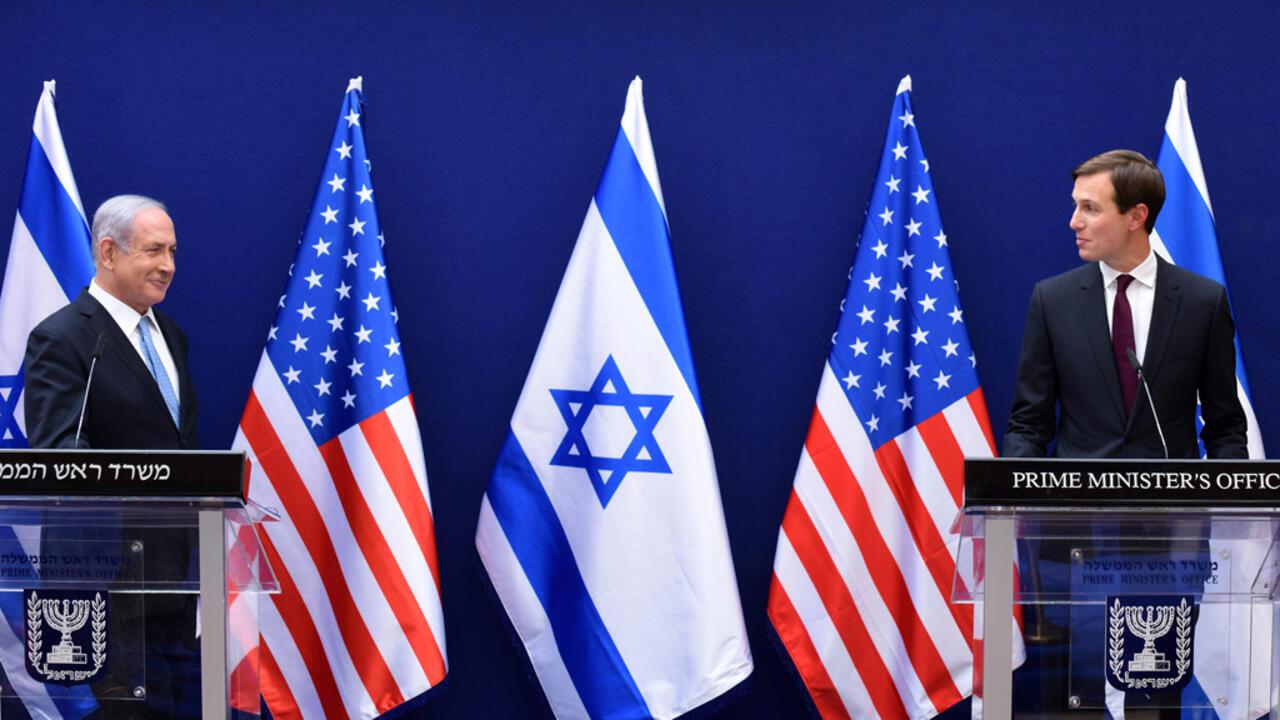
U.S. negotiator Jared Kushner met Hamas chief Khalil al-Hayya on the Gaza road map in Egypt on Sunday, in a new diplomatic effort to make progress in the stalled Gaza ceasefire.
“Kushner held a rare meeting with the Hamas chief on Sunday”
The talks aim to salvage a new 15-point, U.S.-backed road map for Hamas to disarm in Gaza and Israel to withdraw from the Palestinian territory, with at stake the lives of some 2 million people in Gaza and the reconstruction of the crowded enclave now largely controlled by Israeli forces more than 10 months since the ceasefire ended major military operations.

A meeting between Kushner, fellow envoy Steve Witkoff and Hamas leaders in Egypt last year helped clinch the ceasefire, whose progress until now had been stalled over the key issue of Hamas' disarmament.
Israeli Prime Minister Benjamin Netanyahu rejected the 15-point plan last week, and Kushner, former British prime minister Tony Blair and Nickolay Mladenov are set to meet Netanyahu on Monday, according to a source familiar with the plans and a diplomatic source.
Regional powers including Saudi Arabia and the United Arab Emirates issued a statement condemning Israel's rejection of the road map, saying that "Israel now bears responsibility for obstructing the efforts to bring peace in Gaza."
Ben-Gvir’s nightly kill call
Israel’s far-right national security minister Itamar Ben-Gvir called for Israeli forces to “kill 30 or 40” people in Gaza every night, saying they should go beyond “those who pose a danger … at that particular moment”.
Ben-Gvir made the remarks to Rom Braslavski, a former Israeli captive held in Gaza, in a podcast episode that surfaced on Sunday and was shared widely across Palestinian media.

In the same discussion, Ben-Gvir said, “There are people there who are not worthy of life. They shouldn’t live. They’re not even people,” while calling for the targeted killings of Palestinians in Gaza.
German politicians from the ruling coalition and the opposition demanded European sanctions on Ben-Gvir, with Jürgen Hart calling the remarks "inhumane" and saying any human being cannot but condemn them.
The German public broadcaster quoted Hart as arguing that the European Union should impose sanctions on the Israeli minister to reaffirm the universality of dignity and human rights.
Sanctions pressure and ceasefire
German politicians also urged actions beyond sanctions, including calls to halt all arms exports to Israel and suspend the EU–Israel partnership agreement after Ben-Gvir’s call for daily killings in Gaza.
“urge the federal government to halt all arms exports to Israel”
Laila Raisen urged the federal government to halt all arms exports to Israel and to suspend the EU–Israel partnership agreement, while EU foreign ministers failed to reach a consensus in June on sanctions against Ben-Gvir because such sanctions require the approval of the member states.
In parallel, the Kushner road map effort hinges on Hamas commitment to disarmament before Kushner meets Netanyahu on Monday, with the Hamas official saying the group is committed and waiting for mediators to start the 14-day negotiation period.
The road map would require Hamas to hand over weapons to a Palestinian technocratic committee meant to oversee daily operations in the territory, but the committee has not yet entered Gaza and Netanyahu says Israel will not retreat from any position in Gaza until Hamas has been completely disarmed.
With Netanyahu facing a challenging election on Oct. 27, the stance leaves other elements of the ceasefire, including reconstruction and the deployment of international forces to separate Israeli forces from committee-controlled areas, on hold.