Asia15 May, 20263 min read
Japan Studies Type 88 Surface-To-Ship Missile Exports To Philippines Amid China Concerns
This article is an automated aggregation of coverage from news outlets. Our editorials offer in-depth analysis curated by the NewsCord team.
Japan's defense ministry studies exporting Type 88 anti-ship missiles to the Philippines. The move follows April overhaul of defence export rules easing overseas arms sales.

Type 88 export review
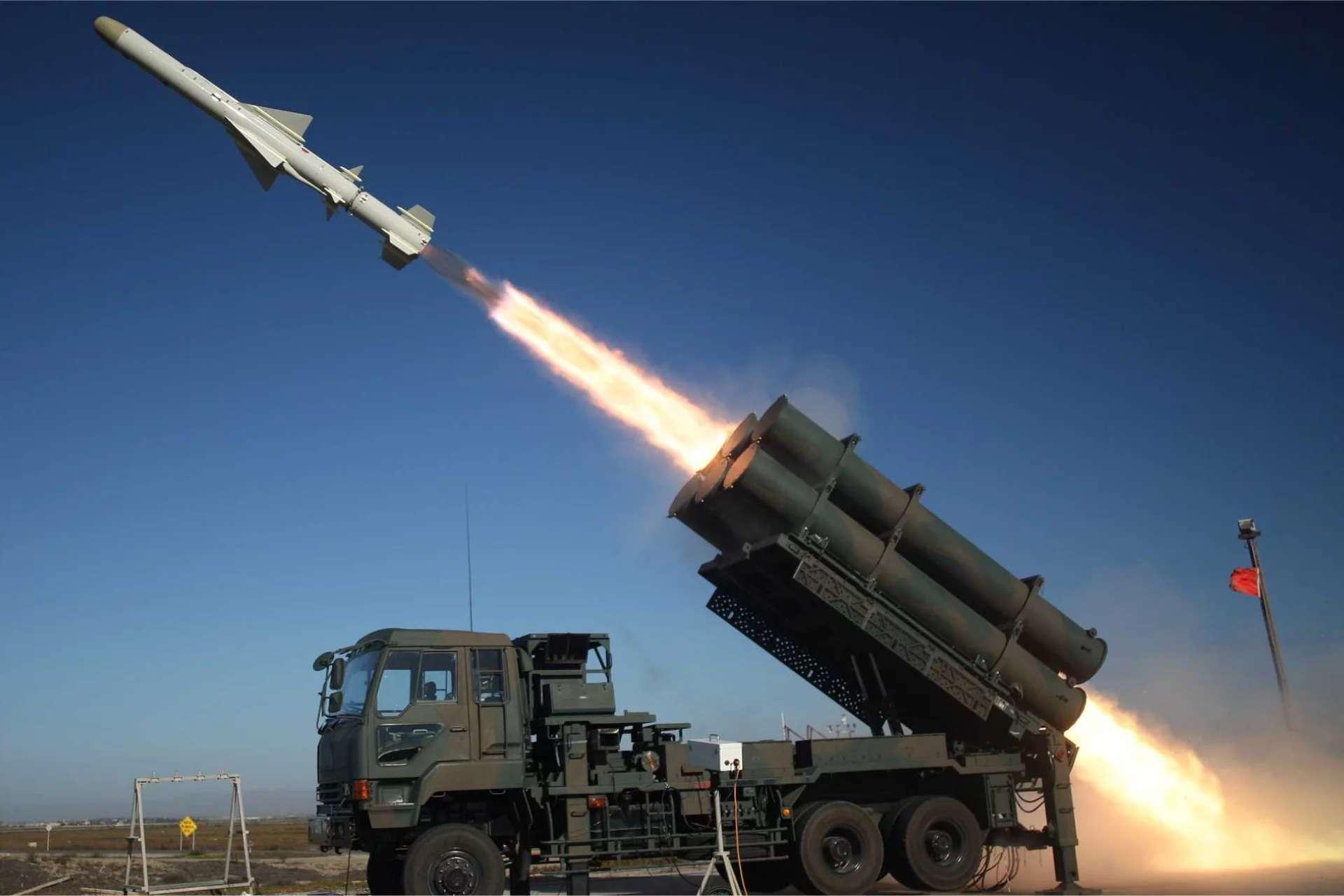
Japan is studying whether to export its Type 88 surface-to-ship missile system to the Philippines, NHK reported on Friday as Tokyo adopts a more assertive regional security role amid concern about China. The review follows Japan’s April overhaul of its defense export rules in decades, scrapping restrictions on overseas arms sales and opening the way for exports of warships, missiles and other weapons. Japan’s Defense Minister Shinjiro Koizumi told reporters, "nothing has been decided at this point," regarding the possible missile export.
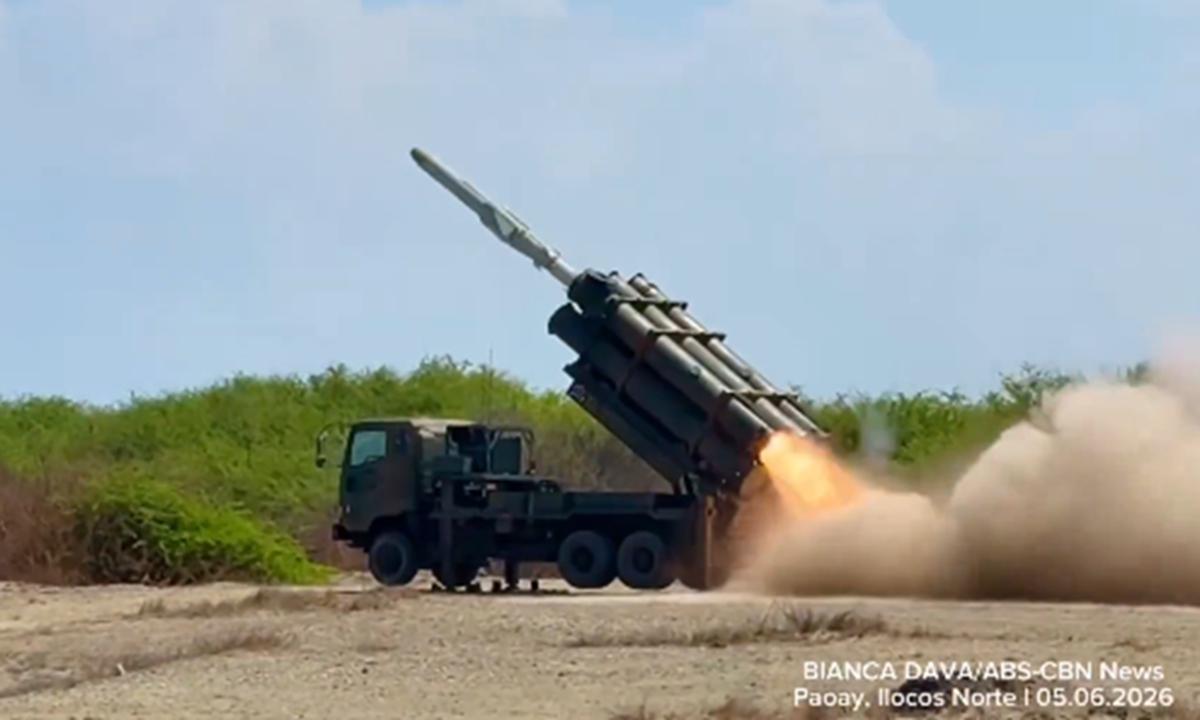
Koizumi linked the decision to an enhanced defense equipment and technology cooperation agreement reached in Manila on May 5 with Philippine Defense Secretary Gilberto Teodoro, and the Philippines and Japan are also in talks on exporting used Abukuma-class destroyers. The Type 88 missile was fired during the U.S.-Philippines Balikatan exercise on May 6, when Japan’s Self-Defense Forces conducted a live-fire drill involving the system in the Philippines.
Officials, critics, and context
Philippine and Japanese officials have not publicly committed to the missile transfer, with a spokesperson for the Philippine Defense Department noting that the two countries have agreed to discuss the sale of defense assets. In Tokyo, NHK reported that Japan’s Defense Ministry launched a study with an eye toward exporting surface-to-ship missiles to the Philippines after Manila conveyed its interest earlier this month. China’s Foreign Ministry spokesperson Lin Jian warned on May 6 that right-wing forces in Japan are pushing for accelerated remilitarization, saying the "malevolent emergence of neo-militarism in Japan" threatens regional peace and stability.
A Chinese military affairs expert cited by Global Times said the aging Type 88 poses limited military threats, but argued that "such actions are clearly offensive in nature and highly dangerous" for a country that was once an aggressor and defeated power in WWII. Global Times also said the Type 88 is a land-based anti-ship weapon with a range of more than 100 kilometers and is currently operated by the Japan Ground Self-Defense Force (GSDF).
What the shift could mean
The missile export review is part of a broader defense cooperation push between Japan and the Philippines, with Reuters reporting that Japan’s defense ministry is considering the Type 88 export as it deepens ties to counter China’s growing influence. Japan and the Philippines are also aiming to strengthen security ties amid China’s assertiveness in the East and South China seas, according to Global Times, which said the Philippines expressed interest earlier this month in acquiring the system through an equipment transfer arrangement. NHK said the GSDF plans to gradually stop using Type 88 missiles and replace them with a new model, and it added that the transfer of Japan’s Abukuma-class destroyer escorts to the Philippines is also under consideration.
The Global Times report said Japan’s Defense Ministry is considering exporting missiles from the current GSDF inventory as the GSDF plans to gradually retire the Type 88 system and replace it with a newer model. In the Philippines-Japan security picture, the Type 88 overseas firing during Balikatan 2026 is described by Global Times as Japan’s first overseas firing of offensive missiles since the end of WWII, while Reuters framed the missile-export study as a response to China-related regional security concerns.