Asia24 October, 20252 min read
Japan’s Ultra-Conservative Sanae Takaichi Becomes First Female Prime Minister
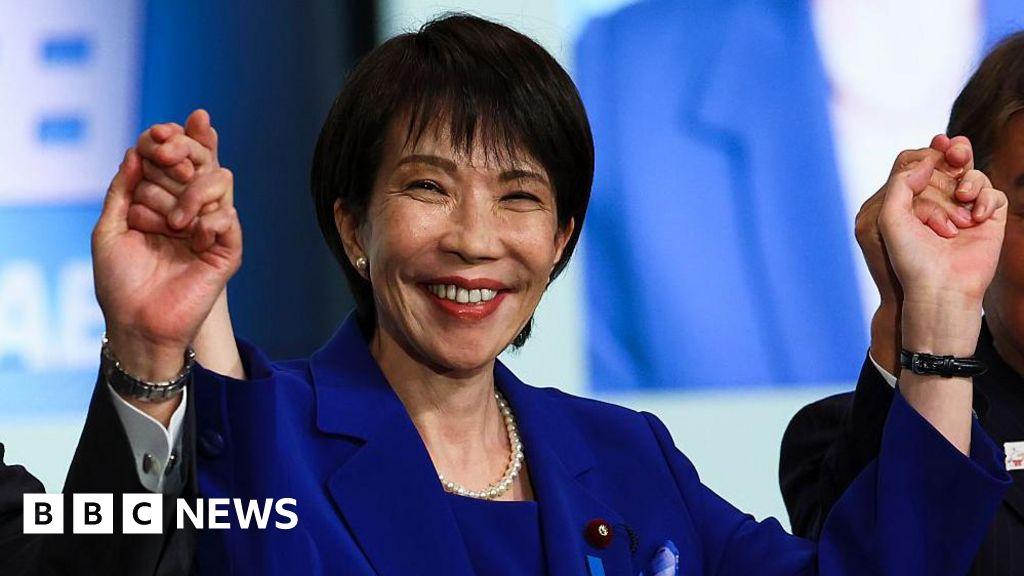
Sanae Takaichi became Japan’s first female prime minister after winning parliamentary majority. She leads a fragile coalition between the Liberal Democratic Party and Japan Innovation Party.

57 outlets told this the same way.
Outlets did split on Avalanche Strikes Himlung Himal Base Camp In Nepal, At Least 10 Missing →
Japan's New Prime Minister
Japan’s parliament elected Sanae Takaichi as the country’s first female prime minister. She secured 237 votes in the lower house with backing from a new LDP–Japan Innovation Party (JIP) arrangement. This arrangement was formed when Komeito quit the coalition.
“Sanae Takaichi was elected Japan’s first female prime minister, winning 237 votes in the lower house against opposition leader Yoshikoko Noda.”
Multiple outlets emphasize the historic nature of this first. They also highlight the fragile arithmetic behind the election. Some note the win in both houses of parliament.
Others stress that the LDP–JIP bloc governs without a clear majority. This situation makes cooperation with rivals essential.
Coverage also underscores her ideological profile, which is described as conservative, hardline, and ultraconservative. The deal that delivered power was made at the last minute following Shigeru Ishiba’s resignation.
Takaichi's Cabinet and Policies
Reports agree Takaichi is a staunch social conservative with hawkish security views. They diverge on how her cabinet composition reflects her promises on women’s representation. Several outlets note she appointed Japan’s first female finance minister, Satsuki Katayama.
Debate persists over whether her 19-member cabinet includes two or three women. Coverage also highlights her opposition to same-sex marriage and reforms to imperial succession and surnames. Critics question whether her milestone advances truly promote gender equality.

Government Coalition Challenges
Power rests on a tenuous LDP–JIP pact marked by ‘extra‑cabinet’ cooperation. Multiple sources say JIP declined ministerial posts, opting instead for advisory roles and parliamentary coordination. This decision leaves the government short of a stable majority and dependent on opposition partners.
“While the JIP supports the government, it holds no ministerial posts; its leader Takashi Endo will serve as a special advisor.”
Outlets also report internal LDP turbulence and public mistrust after scandals. Some sources stress the coalition’s fragility, while others portray a much stronger seat count. These differing views illustrate sharp disagreement over the government’s actual parliamentary strength.
Economic Policy and Market Reactions
On the economy, coverage splits between expectations of Abe-style stimulus and a more cautious, fiscally balanced approach shaped by coalition dynamics. Markets initially rallied, and Takaichi named Satsuki Katayama as the first female finance minister. However, analysts warn against aggressive reflation.
Some outlets highlight pressure for tax cuts and increased spending even as inflation exceeds the Bank of Japan's target. Others emphasize concerns about debt sustainability and anticipate gradual interest rate moves. This suggests only moderate stimulus and a reliance on credibility rather than shock therapy.

Japan's Foreign Policy Dynamics
Abroad, reporting converges on a hawkish security stance and close U.S. ties, with Takaichi preparing to host President Donald Trump and navigate tensions with China and North Korea. Yet outlets diverge on her diplomatic tone: some say she has avoided provocative moves like Yasukuni Shrine visits and softened rhetoric toward Seoul, while others recount pledges to visit the shrine and a tougher line on South Korea. International reactions span congratulations from the EU and South Korea to China’s calls for Japan to honor historical commitments, alongside India’s outreach—underscoring both opportunity and friction as she sets Japan’s course.