Gaza Genocide · 16 August, 2026 · 3 min read
Jared Kushner Meets Netanyahu After Talks With Hamas Officials in Cairo Over Gaza Peace Plan
Kushner held rare meetings with Hamas leadership in Cairo to push Gaza peace plan. Kushner was set to meet Netanyahu in Israel to advance the plan.
Which mediators and key participants were said to attend/are shown in Egypt.
11 of 12 outlets skipped it: muslim countries condemned Israel; include UAE normalisation significance.
The Jerusalem Post was read line by line by the Watchdog: 5.4. See the score →
23outlets compared
Same story, two versions
tap a side to read it in full
BBC
“High representative for Gaza to the US-led Board of Peace, Nickolay Mladenov, and former UK Prime Minister Tony Blair”Read the original ↗
BBC and TRT emphasise different participants and regional context; Reuters stays closest to basics.
Kushner meets Hamas, then Netanyahu
U.S. President Donald Trump’s envoy and son-in-law Jared Kushner is due to meet Israeli Prime Minister Benjamin Netanyahu on Monday after Kushner held rare talks with Hamas officials in Cairo on Sunday as part of efforts to advance the U.S. president’s Gaza peace plan.
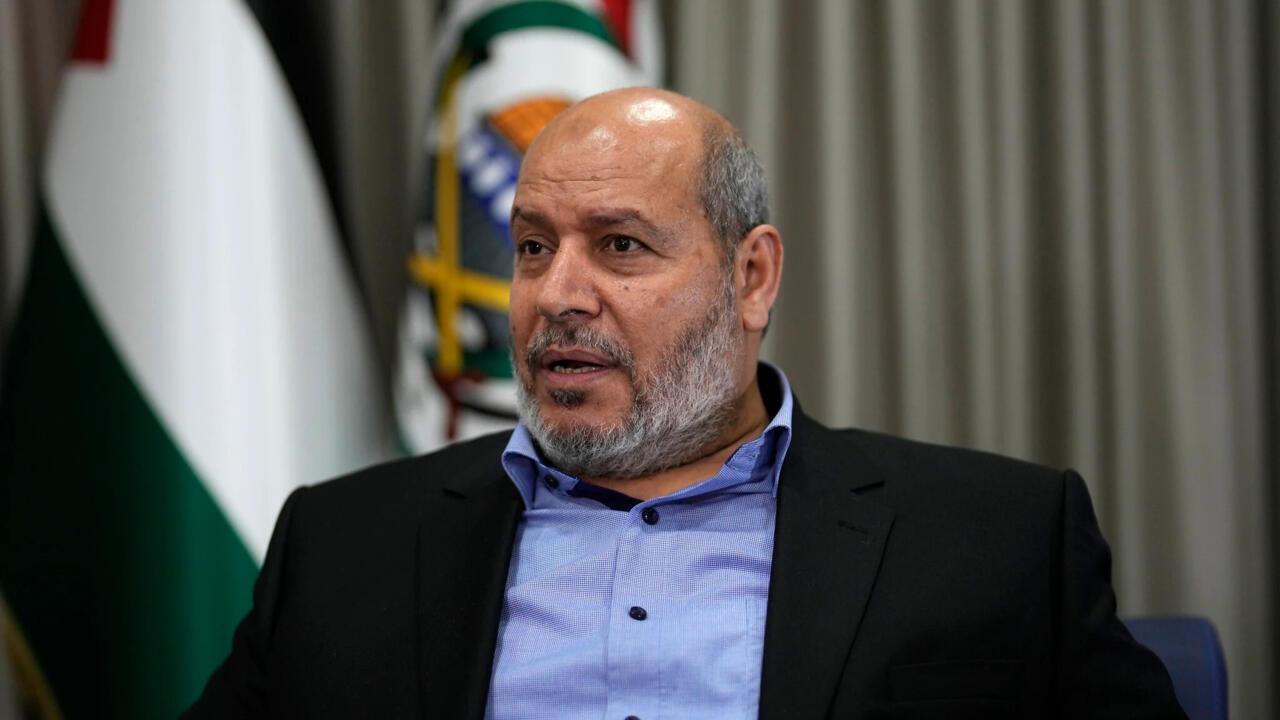
A diplomatic source said Hamas leader Khalil Al-Hayya was present at some of the meetings held with Kushner and Trump’s Board of Peace envoy for Gaza, Nickolay Mladenov, in Cairo.
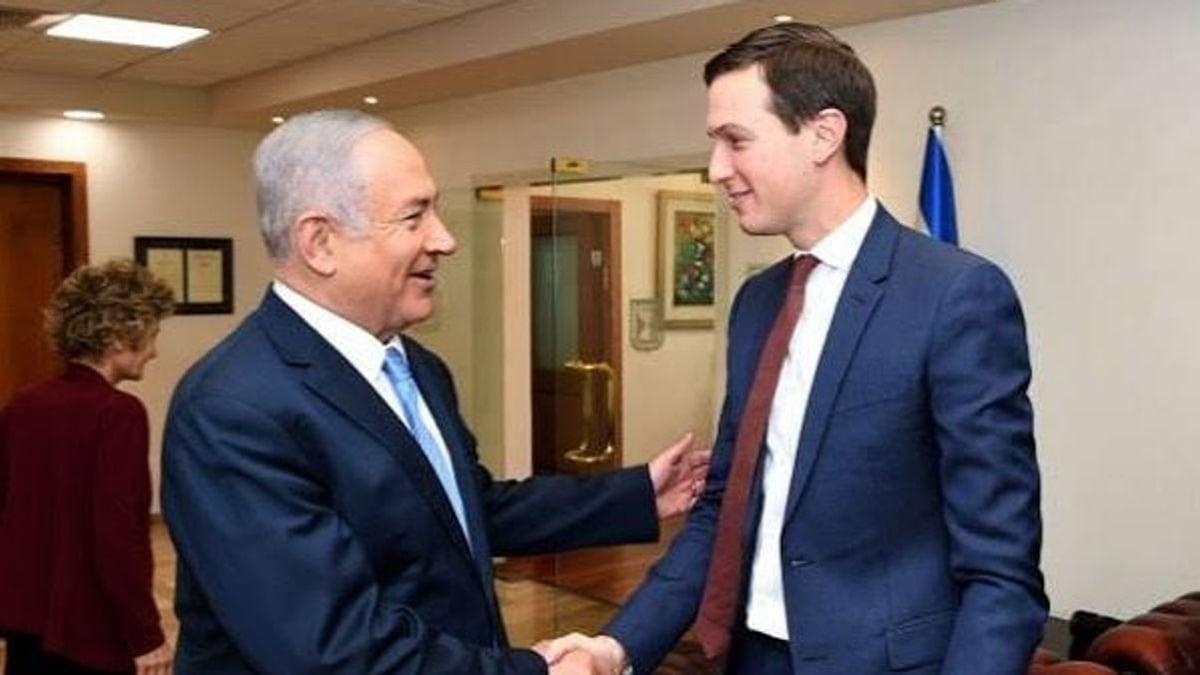
The meeting marked Kushner’s second known encounter with representatives of Hamas, after Kushner previously met Hamas officials alongside U.S. envoy Steve Witkoff in October 2025, helping clinch a deal that led to a ceasefire in Gaza and the release of remaining hostages seized by Hamas in the October 7, 2023 attacks on Israel.
Trump said in late July a deal was reached for the complete disarmament of Hamas and other armed groups in Gaza, but Netanyahu publicly rejected Trump’s plan while seeking re-election at a vote due in October.
The Reuters report said the plan would be carried out in phases, with Israeli forces withdrawing from Gaza as disarmament proceeded and an International Stabilization Force working with a new Palestinian police force to secure the enclave.R
Compel Israel, disarmament dispute
Hamas called on mediators and the U.S.-created Board of Peace to “compel” Israel to approve the roadmap for next steps after Kushner’s rare meeting with Hamas’s political chief Khalil al-Hayya in Egypt. In a statement, Hamas later called on mediators and the Board of Peace overseeing the ceasefire to “compel” Israel to “approve the roadmap... and begin establishing a timetable for its implementation.” Netanyahu’s position remained central to the dispute, with the BBC reporting that Israel rejected Trump’s 15-point plan and that Netanyahu said the IDF would not carry out any withdrawal until Hamas is “genuinely disarmed.”B
The BBC also reported that Kushner’s meeting was expected to focus on concrete actions to decommission Hamas’s weapons and on withdrawal and humanitarian efforts, while the Guardian said the talks aimed to salvage a plan for Hamas to disarm and Israel to withdraw from the Palestinian territory shattered by war. BThe Guardian framed the stakes as the lives of some 2 million people in Gaza and reconstruction of the crowded enclave now largely controlled by Israeli forces, more than 10 months since the ceasefire ended major military operations.

Regional pressure and what’s at risk
Regional powers including Saudi Arabia and the United Arab Emirates issued a statement condemning Israel’s rejection of the road map, saying that “Israel now bears responsibility for obstructing the efforts to bring peace in Gaza.” The BBC reported that the foreign ministers’ statement called on the Board of Peace and the U.S. to take “immediate and concrete measures” to keep any party from obstructing the plan’s implementation. BThe Guardian said the road map’s 14-day negotiation period required all parties’ approval of the road map to begin, and it described Hamas as committed and waiting for mediators to start that period to work out a timetable for implementation.
“Israel now bears responsibility for obstructing the efforts to bring peace in Gaza.”
The Guardian also reported that Netanyahu’s stance left other elements of the ceasefire on hold, including reconstruction and the deployment of international forces to separate Israeli forces from committee-controlled areas, while the BBC said the ceasefire that came into effect on 10 October last year remains in place. BIn the same BBC report, the conflict’s toll was described as more than 1,200 people killed since the ceasefire according to the Hamas-run health ministry, and the article added that Unicef says at least 300 children have reportedly been killed.B