South America17 August, 20263 min read
José Antonio Kast Seeks 120-Day State Of Exception To Restrict Rights In Chile
This article is an automated aggregation of coverage from news outlets. Our editorials offer in-depth analysis curated by the NewsCord team.
Proposes eight measures expanding presidential powers to restrict rights, including a 120-day state of emergency. Aims to restrict access to funded services for people convicted of organized crime and terrorism.
Kast’s emergency power push
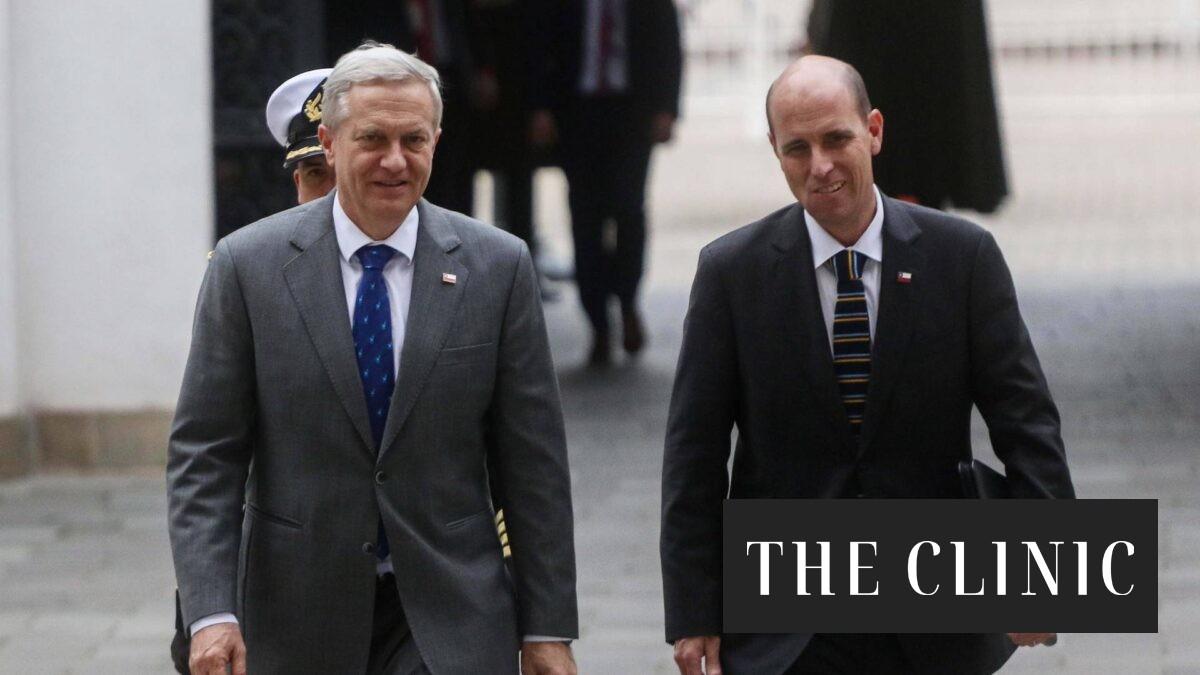
Chile’s Senate received a constitutional reform bill from President José Antonio Kast on Monday that would expand presidential powers to restrict rights and freedoms through a new constitutional state of exception tied to organized crime and terrorism. The proposal would let Kast impose a state of exception for 120 days, renewable once for another 120, with the affected territory answering to a general officer chosen by the president, according to the LatinAmerican Post. During that period, the executive could restrict personal liberty, movement, assembly and association, and could intercept or search documents and communications and requisition property, with the powers reaching “the bus terminal, the neighborhood meeting, the family telephone and the private message sent late at night,” the LatinAmerican Post said.
“It could last 120 days and be renewed once for another 120.”
The bill also frames the crackdown as part of Kast’s Agenda Against Organized Crime and Terrorism, and elciudadano says it would allow the president to declare an area under the regime with powers similar to those existing during external war, but without requiring Congress’s approval for 240 days. RFI adds that Kast wants to create a new state of emergency, in addition to the four already provided for by the Chilean Constitution, and that it could be decreed for all or part of the territory for 120 days, renewable once without going through Parliament.
Opposition and approval debate
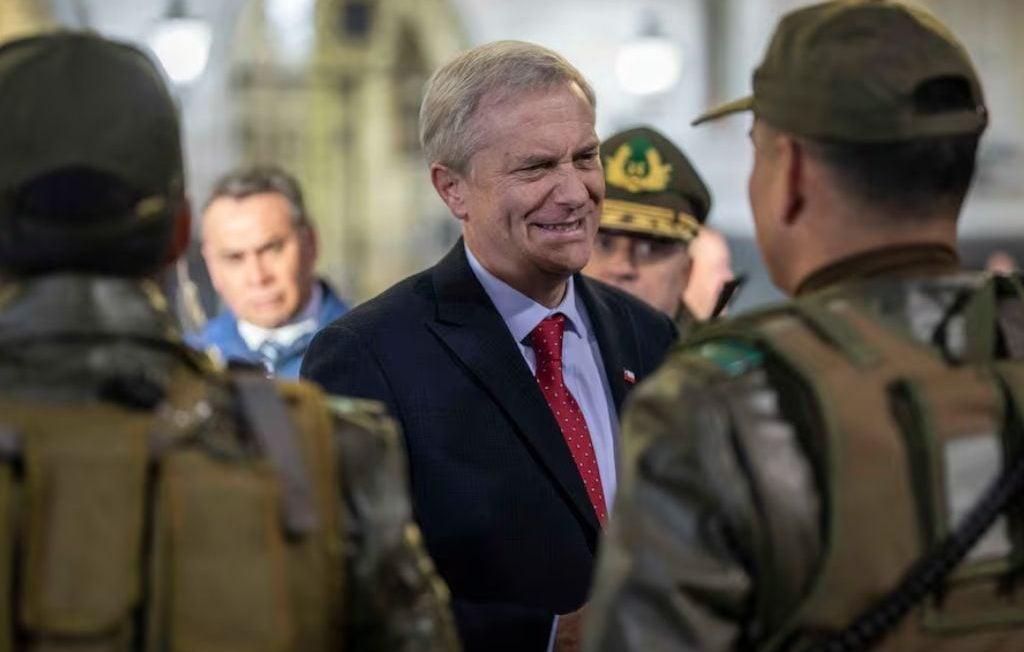
On the left-wing opposition side, RFI quotes senator Pedro Arraya Guerrero saying, “I believe President Kast is very poorly advised on security matters,” and adding that the constitutional reform “will not solve people’s problems.” Guerrero also calls the proposal “a pale copy of the Patriot Act in the United States,” and says it “seems the president’s advisers used artificial intelligence to do the same thing as in the United States, while ignoring how Chilean institutions work.” RFI reports that opposition criticisms have remained relatively measured because Kast’s security agenda enjoys broad public support, and it cites a Criteria Institute survey on Sunday, August 16 showing 75% of Chileans approve the executive’s proposals to combat delinquency.
The Clinic describes the government’s rationale for the constitutional security reform as arguing that organized crime poses a direct threat to the exercise of citizens’ fundamental rights, justifying updating state tools within the constitutional framework. The Clinic also says Minister Segpres José García Ruminot explained that “this is a very good way to ensure it has the support of the political system and the parliamentary system,” referring to how restrictions on benefits paid with fiscal resources would be regulated by a Qualified Quorum Law.
What changes for convicted
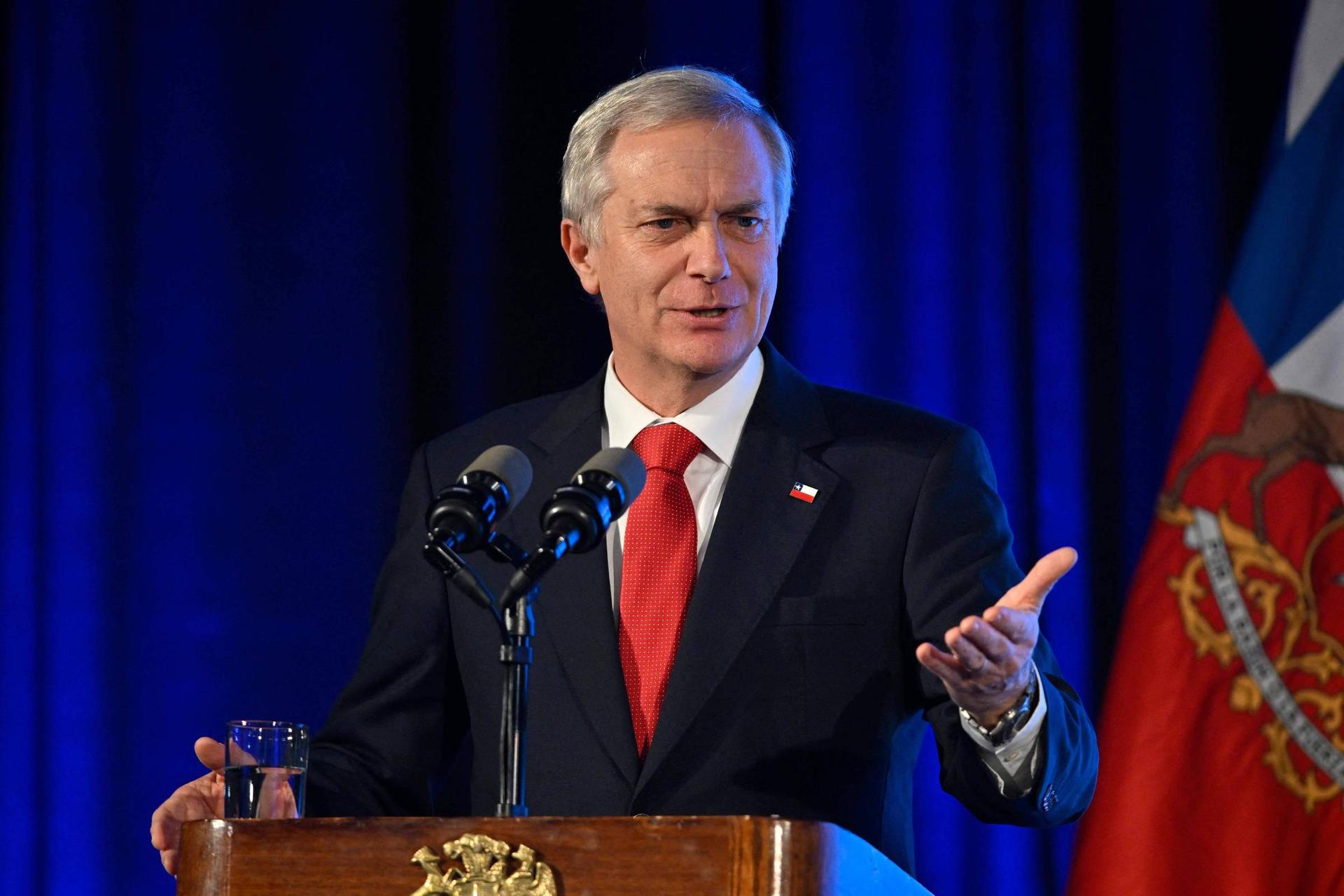
Beyond emergency powers, the reform would create new legal consequences for people convicted of organized crime and terrorism, including perpetual disqualification from holding public office or functions and a 15-year prohibition on accessing substitute penalties or penitentiary benefits, The Clinic says. Folha de S.Paulo adds that the proposal states that “During the execution of their sentence and for 15 years after its completion, they will be disqualified from accessing certain benefits funded with public resources in areas such as health, education, or retirement,” and it notes that the legislation classifies as terrorists organizations that have among their objectives the commission of serious crimes such as homicide, kidnapping, arson, or attacks on transportation. The Clinic says the project would entrust the Prison Service with differentiated penitentiary regimes and restrictions on visits and communications to prevent illicit activities from continuing to be directed from within prisons.
Folha de S.Paulo reports that the measure generated divergences within the government itself, including an initial version in which the Executive planned to withdraw all access to public health from convicts, which Health Minister May Chomalí said could “generate some incompatibility with certain laws.” It also reports that the version sent to Congress was modified, with José García Ruminot saying the specific restrictions will be regulated later by Parliament, while the bill’s approval would require four-sevenths of lawmakers, according to Folha de S.Paulo.