Lebanon · 17 August, 2026 · 3 min read
Joseph Aoun Says Lebanon’s First Option Is Extending UNIFIL Mandate in South
Aoun says extension of UNIFIL mandate is Lebanon's first option to preserve stability in the south. If extension fails, Lebanon seeks a legally framed alternative force presence in the south.
UNIFIL extension debate reframed from stabilisation to sovereignty/accountability critique.
2 of 3 outlets skipped it: UNIFIL allegedly failed accountability after killings near its positions.
Anadolu Ajansı was read line by line by the Watchdog: 2.4. See the score →
26outlets compared
Same story, two versions
tap a side to read it in full
Nowlebanon challenges UNIFIL effectiveness; others stick to Aoun’s stabilising extension message.
UNIFIL mandate debate
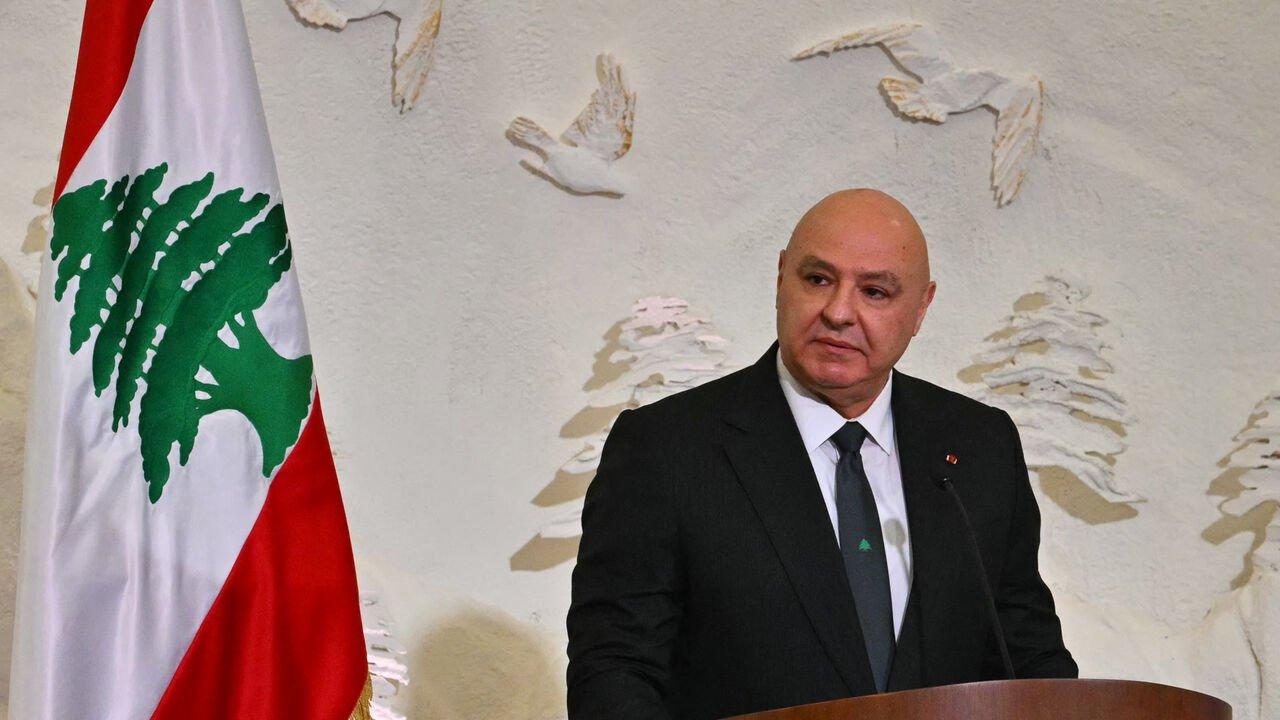
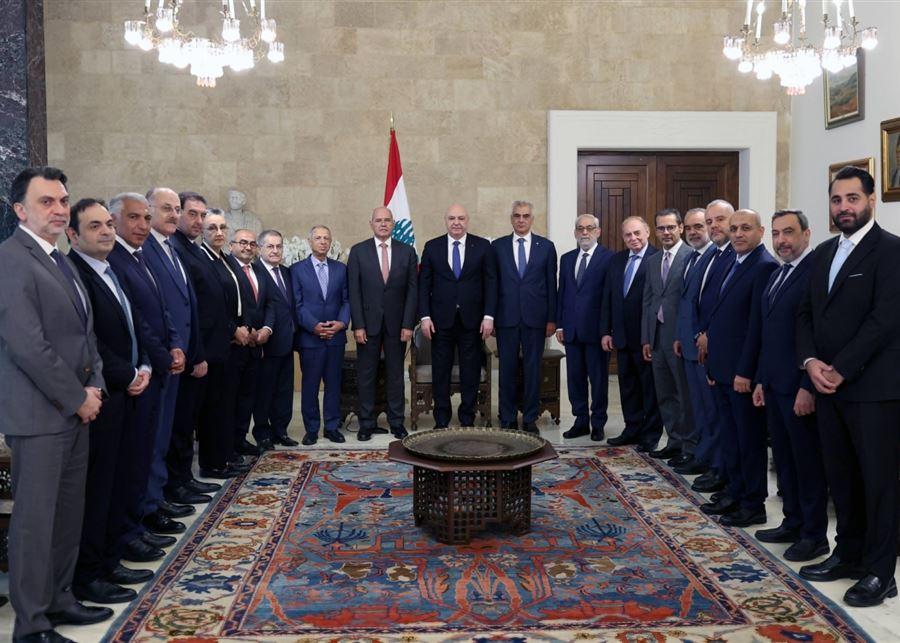
Lebanese President Joseph Aoun reiterated that Lebanon’s first option is to extend the mandate of UNIFIL in the south, and if extension is not possible, the second option is to adopt a formula that ensures the continued presence of international forces within the required legal framework. Aoun made the remarks during a welcome to a parliamentary delegation led by MP Melhem Khalaf at Baabda Palace, where Khalaf presented a copy of a letter signed by eighty-six MPs from various blocs and affiliations supporting the continuation of the UN peacekeeping mission in Lebanon. Khalaf said the delegation’s visit came as Israeli attacks on Lebanon’s south intensify and as violations and targeting that threaten residents’ safety and right to return recur, adding that Lebanon needs to “fortify the stance of the state” and “cement the international presence alongside the Lebanese army.”
Aoun also stressed that Israel rejects the presence of UNIFIL forces and has been pressuring in that direction for about a year, while Lebanon calls for continued presence to avoid a vacancy of international forces in the south. The discussion came as UNIFIL’s mandate in south Lebanon ends at the end of this year, amid ongoing international debate about its future.
Parliamentary backing and threats
Aoun told the parliamentary delegation that “our first option is to extend UNIFIL’s mandate,” and if it is not extended, “the second option” is to adopt a formula ensuring continued international forces in the south alongside and in coordination with the Lebanese Army. MP Melhem Frikh said after the meeting that the delegation remains committed to keeping UNIFIL to avoid any vacuum in the south, and he said there is a petition to extend UNIFIL signed by 86 MPs. The same reporting described Israeli threats and escalation language, including Israeli National Security Minister Itamar Ben-Gvir saying, “I very much hope we are approaching an escalation with Lebanon; we cannot only focus on thwarting threats.”
Itamar Ben-Gvir added, “We must stop this cat-and-mouse game and crush them in Beirut,” while Prime Minister Yisrael Katz stated that Israel “will not leave any account open on any field.” The Al-Jazirah Net account also said Israel continues aggression on Lebanon that began on March 2, claiming 4,346 lives and 12,301 injuries, according to the latest figures from the Lebanese Health Ministry.

Mandate expiry and stakes
The sources frame the stakes around preventing a gap in international presence in southern Lebanon, with Aoun insisting that UNIFIL helps stabilize residents in their villages and towns and reinforces stability through cooperation and coordination with the Lebanese Army.
Aoun said the core objective of Lebanon’s moves is to achieve a “breach that guarantees the continued international presence in the south,” whether through extending UNIFIL’s mission or through a complementary international force within a required legal framework.
The Anadolu Ajansı report said UNIFIL has been deployed since 1978 to monitor the ceasefire along the Lebanese-Israeli border and support the Lebanese Armed Forces in southern Lebanon, and it said the mandate is set to expire on Dec. A31, 2026.
Anadolu Ajansı also tied the UNIFIL debate to the broader conflict, saying that since March 2, Lebanese authorities reported more than 4,300 people killed, more than 12,300 injured, and more than 1 million displaced.A
In the same context, the parliamentary initiative and petition backed by 86 MPs are presented as a way to sustain international legitimacy in the south while supporting the Lebanese army’s role in extending its authority over all Lebanese territory.