Lebanon02 July, 20263 min read
Joseph Aoun Denies Plans To Dismiss Rodolphe Haykal After Hezbollah Accusations
This article is an automated aggregation of coverage from news outlets. Our editorials offer in-depth analysis curated by the NewsCord team.
President Joseph Aoun denies plans to dismiss Lebanese Armed Forces Commander Rodolphe Haykal. A senior Hezbollah official alleged imminent changes to the Lebanese military leadership.
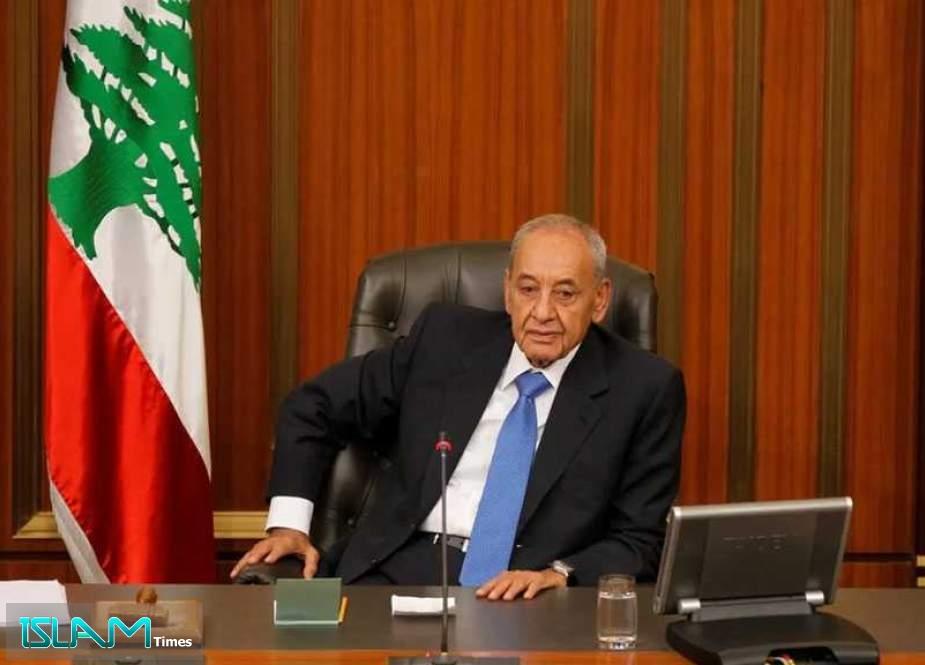
Aoun denies dismissal plans
Lebanese President Joseph Aoun denied claims that Beirut is planning to dismiss Lebanese Armed Forces Commander Rodolphe Haykal after a senior Hezbollah official alleged that changes to the military leadership were imminent. The presidency said reports claiming the army commander or other senior security officials would be removed were false, stressing that the country’s security institutions play a fundamental role in maintaining security and upholding state sovereignty. Aoun also defended the Lebanon-Israel framework agreement reached last month following several rounds of direct talks conducted in violation of Lebanese law, saying its provisions reflected the logic of statehood and that Lebanon is a sovereign state capable of negotiating on its own behalf.
Nabih Berri, speaker of Lebanon’s parliament and leader of Hezbollah ally the Amal Movement, warned against “playing games” with the army in an interview published on June 29, saying the military institution represented a red line and one of the pillars of national stability. The Lebanese Armed Forces said Haykal met the commander of the US Central Command (CENTCOM) on Monday to discuss the Beirut-Tel Aviv framework agreement, and during the meeting Haykal thanked the United States for its support and said continued military cooperation was vital to preserving Lebanon’s security and stability.

Berri vows opposition
Speaking to Elnashra on Tuesday, Nabih Berri said he is working to form a broad parliamentary bloc to oppose the proposed US-mediated agreement with “Israel,” adding, “Those who drafted this document will have to deal with me and a very large number of lawmakers.” Berri stressed that he is seeking to keep the political dispute within constitutional institutions and prevent tensions from spilling into the streets, saying, “I am trying to prevent an escalation of discontent that could turn into an internal conflict threatening civil peace.” He recalled Lebanon’s rejection of the May 17, 1983 agreement with “Israel’ in 1984, describing it as an “oppressive treaty,” and argued that the current proposal is “ten times worse.”
The Amal Movement likewise rejected the framework, saying most of its provisions undermine Lebanon’s national interests and primarily benefit the “Israeli” entity, while senior Hezbollah lawmaker Hassan Fadlallah condemned the US-mediated proposal as a “humiliation,” a “disgrace,” and a surrender of Lebanese sovereignty. The dispute unfolded as “Israeli” Prime Minister Benjamin Netanyahu visited troops in southern Lebanon on Tuesday, declaring that “Israeli” forces would remain in the area, where “Israeli” troops continue to occupy what they describe as a “security zone” extending roughly 10 kilometers into Lebanese territory.

Implementation stakes and risks
Arab News described Lebanon as moving along two parallel tracks after the framework agreement it signed with Israel under US sponsorship on June 26, with the Lebanese government pressing ahead while Hezbollah insisted that Iran should remain its sole negotiating party within a 60-day deadline.
Hezbollah’s approach was tied to a US-Iran memorandum of understanding reached on June 18 that committed to “the immediate and permanent cessation of military operations on all fronts, including Lebanon,” while guaranteeing Lebanon’s sovereignty and territorial integrity.
Arab News said the framework agreement and its security annex sparked criticism across Lebanon, with opponents warning the deal could deepen internal divisions and even risk renewed civil war, while Hezbollah responded with a political campaign targeting President Joseph Aoun and Prime Minister Nawaf Salam.
The article also reported that Maj. Gen. Joseph Clearfield, head of the Military Coordination Group for Lebanon, and Admiral Brad Cooper, commander of US Central Command, arrived in Beirut on Monday to mark the official start of the agreement’s implementation phase, and that the US Embassy in Beirut said the agreement provides “a realistic path out of the current conflict and establishes a clear and structured process to restore Lebanon’s sovereignty and disarm Hezbollah.”
It further stated that under the framework agreement, ending the conflict and securing Israel’s withdrawal from occupied Lebanese territory would require security arrangements centered on Hezbollah’s disarmament, with the US State Department saying they would be implemented by the Lebanese government, overseen by the US and verified by Israel.