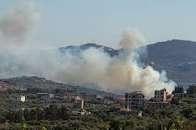
Israeli Drone Strikes Near Ghandour Hospital as Warplanes Hit Braashit in Bint Jbeil
Key Takeaways
- Israeli drones struck Nabatieh Al-Fawqa and Braashit in southern Lebanon.
- Strikes occurred despite a recently signed framework agreement between Lebanon and Israel.
- Drone strikes and artillery and air strikes hit Nabatieh and Braashit.
Strikes despite framework deal
Israeli drone strikes hit Nabatieh al-Fawqa near Ghandour Hospital and Israeli warplanes struck Braashit in the Bint Jbeil district as military demolition operations continued in southern Lebanon despite a framework agreement signed last week between Beirut and Tel Aviv for a phased Israeli withdrawal.
In the same reporting, Israeli forces carried out violent demolition operations targeting several homes in Hadatha, while another large explosion was reported near Kounine and Tayri in the Bint Jbeil district and Israeli reconnaissance drones flew at low altitude over the city of Tyre and surrounding areas.

The Anadolu Ajansı account said the agreement, signed on June 26, provides for a phased withdrawal beginning with two unspecified pilot zones but does not set a timetable and links withdrawal to the Lebanese army assuming full and effective security responsibility in evacuated areas alongside the disarmament of all non-state armed groups, particularly Hezbollah.
Lebanon’s state news agency NNA said an Israeli drone struck near Ghandour Hospital in Nabatieh al-Fawqa, while the Israeli army did not immediately comment on the strikes or demolition operations.
Anadolu Ajansı also cited the latest official Lebanese figures saying Israeli attacks on the country since March 2 have killed 4,298 people and wounded 12,196 others.
Cabinet reservations and accountability
In Beirut, discussions over the Lebanon-Israel framework agreement lasted more than an hour during the Cabinet meeting, and L'Orient Today reported that Prime Minister Nawaf Salam clarified that the text under discussion is merely a framework and that nothing has yet been finalized.
A ministerial source quoted Salam’s framing of the process, saying, "It was reaffirmed during the debate, which took place in a calm atmosphere, that the Lebanese state remains committed to the negotiations and will continue moving forward with this process," as the debate continued for around one hour and 15 minutes.
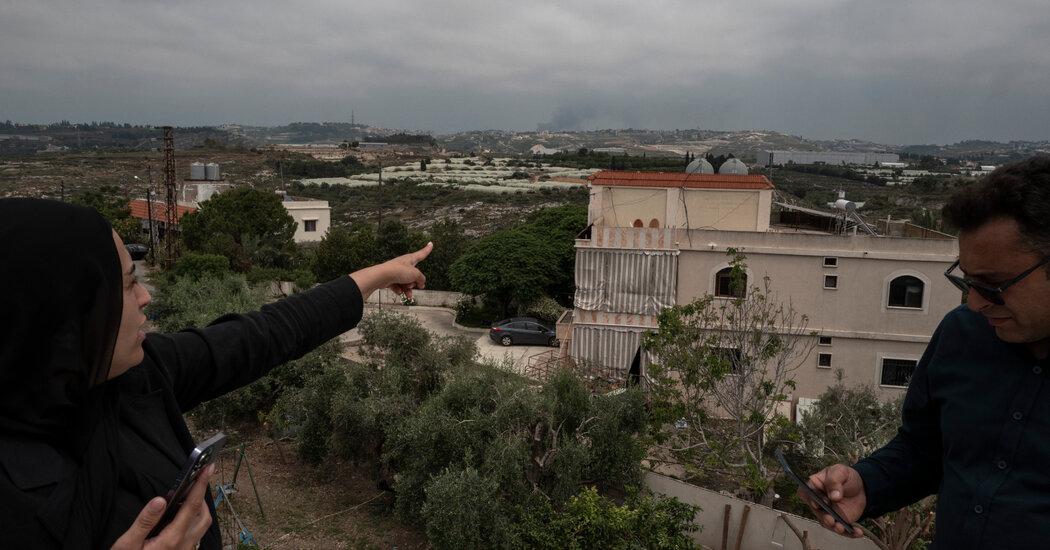
L'Orient Today reported that Shiite alliance ministers Rakan Nasreddine, Mohammad Haidar and Tamara Zein expressed "reservations" about the framework agreement during the session, with Labor Minister Mohammad Haidar (Hezbollah) saying, "Everyone knows that we oppose direct negotiations, and that is what we said during the Cabinet meeting."
The same report also described Israeli military statements that it killed a Hezbollah operative after identifying him emerging from an access shaft of an underground tunnel network at the Ali Taher Ridge in southern Lebanon's security zone where Israeli soldiers are operating.
Separately, Anadolu Ajansı said Hezbollah rejected the deal as “non-existent” and “humiliating,” insisting that linking Israeli withdrawal to the group’s disarmament crosses “red lines.”
Displacement, health strain, and next risks
Beyond the immediate strikes, L'Orient Today reported that more than 10,000 displaced people have left Akkar for Beirut and south Lebanon over the past 10 days, citing a report by the Disaster Management Cell headed by Akkar Governor Imad Labaki.
That same account said the total number of displaced people currently registered in Akkar stands at 7,362, representing 1,945 families, and that at the height of the crisis the figure exceeded 17,000.
L'Orient Today also reported that Israel's Defense Ministry expects to be providing care to 90,000 soldiers by the end of the year amid a sharp rise in cases of post-traumatic stress disorder (PTSD), adding that 26,200 Israeli soldiers have sought assistance since the start of the war and that 65 % are suffering from psychological distress or PTSD.
In parallel, Anadolu Ajansı described the framework agreement’s linkage of withdrawal to Lebanese army security control and the disarmament of non-state armed groups, particularly Hezbollah, while noting that the agreement does not set a timetable for withdrawal.
The stakes described in the reporting are heightened by the continuing pattern of strikes and demolitions, with Anadolu Ajansı saying the attacks came despite the June 26 framework agreement and with L'Orient Today documenting ongoing cabinet debate and reservations over how the process is implemented.
More on Lebanon

Israel’s Givati Brigade Completes Mission In Southern Lebanon After Eight Months
15 sources compared
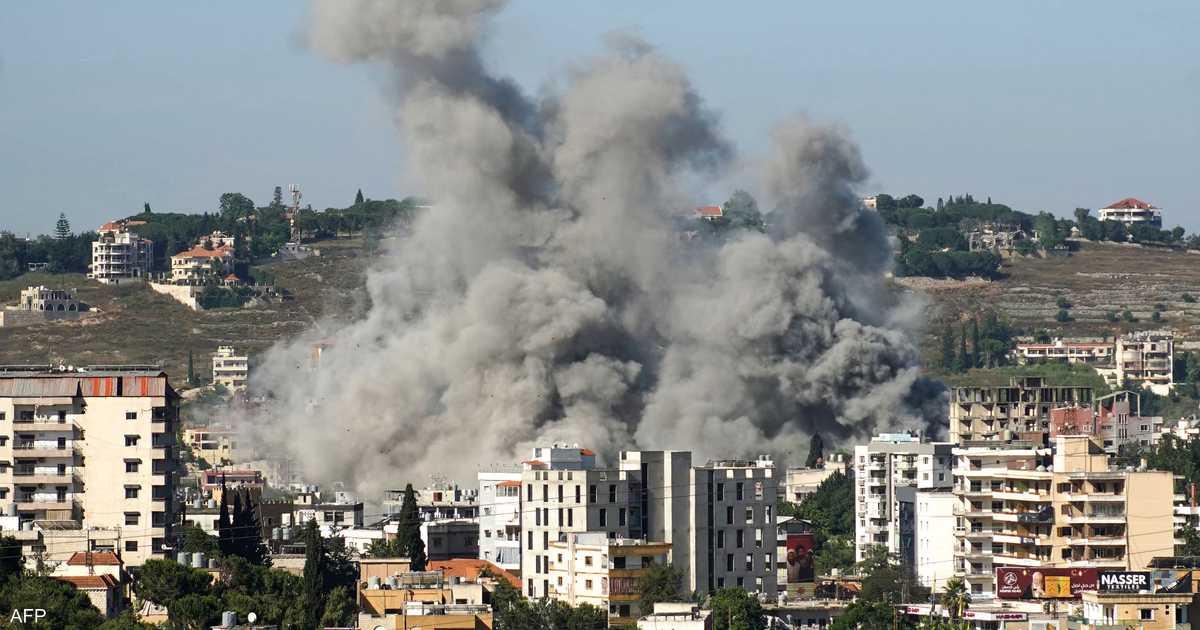
Nabih Berri Says Israel Tries to Drag Lebanese Army Into Confrontation With Resistance
14 sources compared
Israel Launches Airstrikes in Southern Lebanon Hours After Lebanon Signs Framework Agreement
11 sources compared

Israeli Airstrikes Hit Nabatieh al-Fouqa and Kfar Tabnit After Ceasefire With Hezbollah
11 sources compared