Lebanon14 May, 20263 min read
Joseph Aoun Pushes Hezbollah Disarmament as Naim Qassem Backs US-Iran Ceasefire Deal
This article is an automated aggregation of coverage from news outlets. Our editorials offer in-depth analysis curated by the NewsCord team.
Lebanese leadership pressures Iran to disarm Hezbollah. Aoun's Hezbollah disarmament push faces Kataeb opposition.
Aoun, Trump, and Hezbollah
Lebanese President Joseph Aoun has aggressively pursued Hezbollah’s disarmament during his time in office, and the National Interest says Aoun’s April announcement of direct political negotiations with Israel upended “the political reality that had governed Lebanon for four decades.” The Times of Israel reports Hezbollah chief Naim Qassem said a ceasefire deal between the US and Iran would be the best chance to end Israel’s “aggression” against Lebanon, writing that “An ‘Iranian-US agreement that includes a halt to the aggression in Lebanon is basically the strongest card for stopping the aggression.”
Qassem also blasted the Lebanese government for direct talks with Israel and said the talks should not include discussions of Hezbollah’s disarmament, adding “No one outside Lebanon has any say in the weapons, the resistance, or the organization of Lebanon’s internal affairs.” The Times of Israel links the comments to US President Donald Trump rejecting Iran’s latest ceasefire proposal and says a third round of Israeli-Lebanese talks is set to take place on Thursday and Friday in Washington after a first direct meeting in decades last month.

Sovereignty disputes and escalation
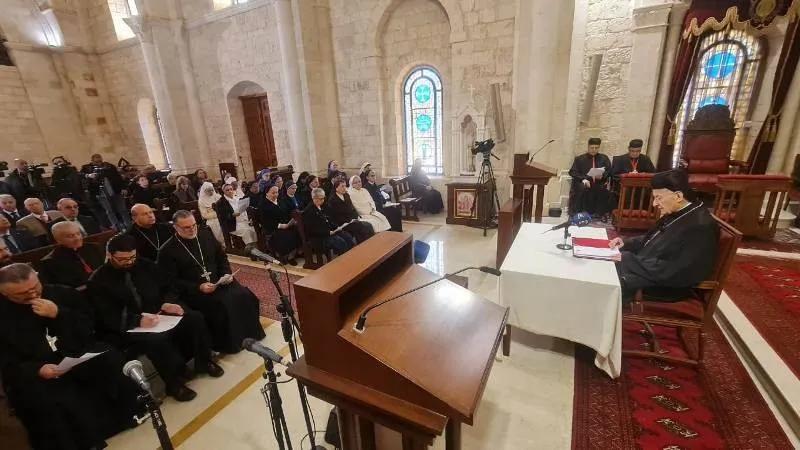
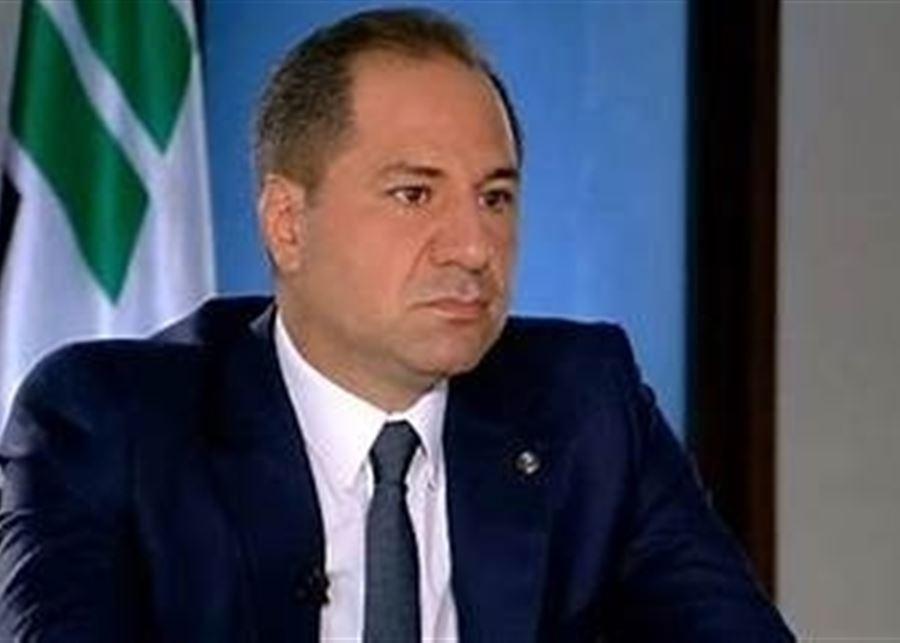
In an Easter message, Bechara Boutros al-Rahi, the Maronite Patriarch, accused Hezbollah and Iran of violating Lebanon’s sovereignty and said the war imposed on Lebanon by Hezbollah and Israel “has left victims, destruction, and displacement.” He urged “protect civilian populations and ensure unhindered access to humanitarian aid,” and the Al Jazeera Mubasher segment carried by the source quoting Sami Gemayel frames the dispute as a struggle over whether President Joseph Aoun is correcting Hezbollah’s mistake or enabling occupation.
The same Al Jazeera Mubasher text quotes Gemayel saying, “I fully agree that the Israeli response is devastating,” while warning that “we must spare Lebanon a scene like that,” and it says he argued Hezbollah started the war and “forgot that it is dealing with an army that does not heed international law.” France 24 describes the expulsion of the Iranian chargé d'affaires as an attempt by the Lebanese state to reaffirm sovereignty, but says the move could “raise tensions and turn Lebanon into a more heated arena of contention.”
Disarmament pressure and stakes
RFI reports simultaneous pressure from Lebanon and Israel on the Iranian government to disarm Hezbollah, saying Lebanon’s Foreign Minister Youssef Raji asked Iran to adopt a “fresh approach” during a meeting with his Iranian counterpart Abbas Araghchi in Beirut. Raji told Araghchi that “defending Lebanon is the responsibility of the Lebanese government,” and said “the Lebanese government must have exclusive control of arms,” while asking whether Tehran would “accept the existence of an illegal armed group on its soil.”
RFI also says the Lebanese army announced that the disarmament process in southern Lebanon, in areas near the Israeli border, has come to an end, while The Times of Israel is cited as reporting that Israel provided the United States with a file of “detailed evidence” about Iran’s role in rebuilding Hezbollah’s military capability. The National Interest argues that Hezbollah is “far from defunct,” but says the more the party tries to obstruct negotiations, the more it “validates, in American eyes, the wisdom of separating the Lebanon file from the Iran one,” making the next phase of talks and disarmament a central test of whether Lebanon can function as “an independent nation empowered to decide its own fate.”