Full story
Aoun pushes talks
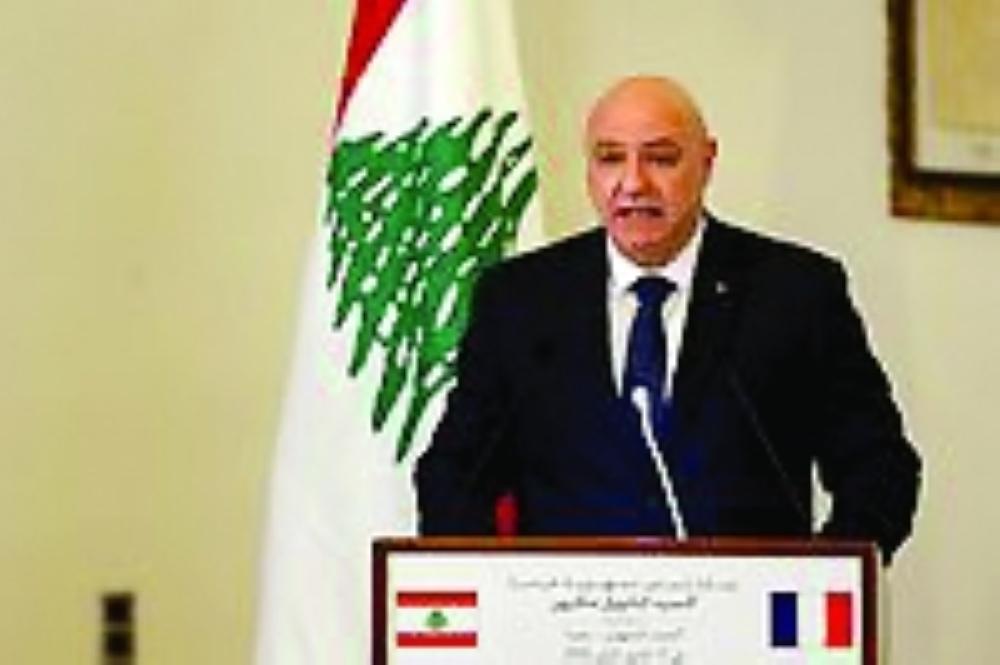
Lebanese President Joseph Aoun told CNN that Lebanon is currently negotiating a non-aggression agreement with Israel, saying the text could open the way to a lasting exit from the state of war between the two countries.
Aoun said, "We must end the state of war between Lebanon and Israel forever," and he added that the agreement could be the first step in that process.

In the same CNN interview, Aoun ruled out any meeting with Israeli Prime Minister Benjamin Netanyahu before the conclusion of an agreement ending the war.
Aoun also told the Israeli government that "The military option could not guarantee the security of northern Israel," and he said it was time for the State to replace the militias.
He defended coordination with Nabih Berri and Nawaf Salam, saying, "We are working in harmony and coordinating our actions in minute detail," while also delivering a message to Iran about non-interference in Lebanon’s affairs.
Direct talks begin
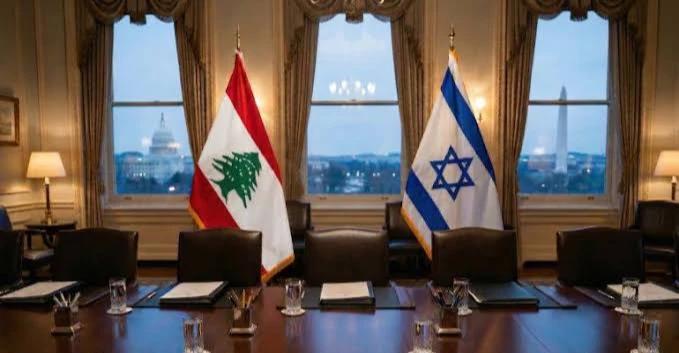
After "productive discussions" in Washington, Israel and Lebanon agreed to begin direct negotiations for a durable peace, with Marco Rubio bringing together Israeli ambassador Yechiel Leiter and Lebanese ambassador Nada Hamadeh Moawad, along with the U.S. ambassador to Lebanon, Michel Issa, and the U.S. ambassador to the United Nations, Mike Waltz.
The Le Devoir report said the date and location of the negotiations have not yet been set, and it quoted professor emeritus Sami Aoun calling the meeting "historic."

Le Devoir also said Hezbollah’s absence at the negotiating table stood out, explaining that the Shiite movement described the talks as "capitulation."
In parallel, Le Parisien said direct negotiations were aimed at ending the war and the Israeli occupation in southern Lebanon, and it reported that a U.S. State Department official said a new round of discussions would take place at ambassador level on Thursday in Washington.
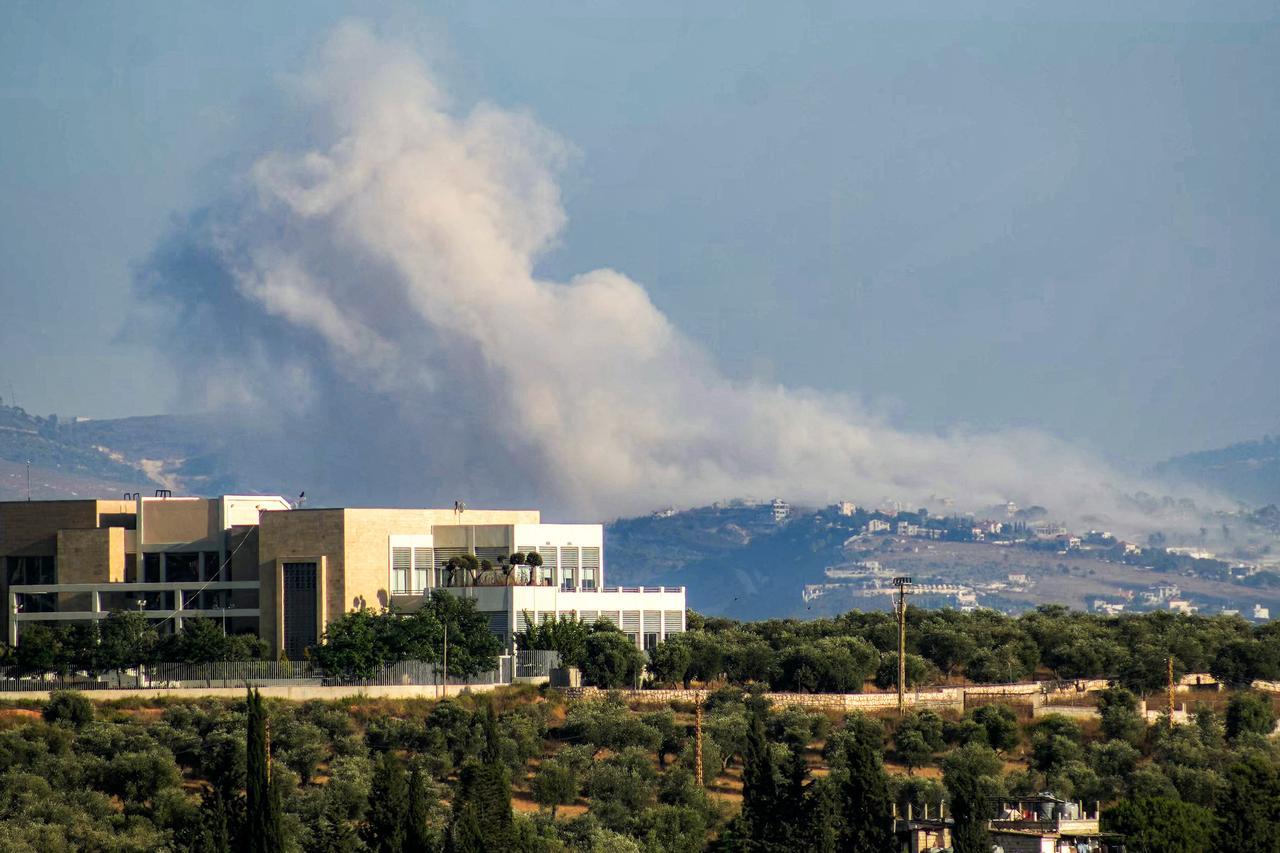
Le Parisien further reported that despite the ceasefire, the Lebanese National News Agency (ANI) said an Israeli drone strike hit Qaqaiyat al-Jisr near the Litani River, with six people wounded there, according to the Lebanese Ministry of Health.
War toll and pressure
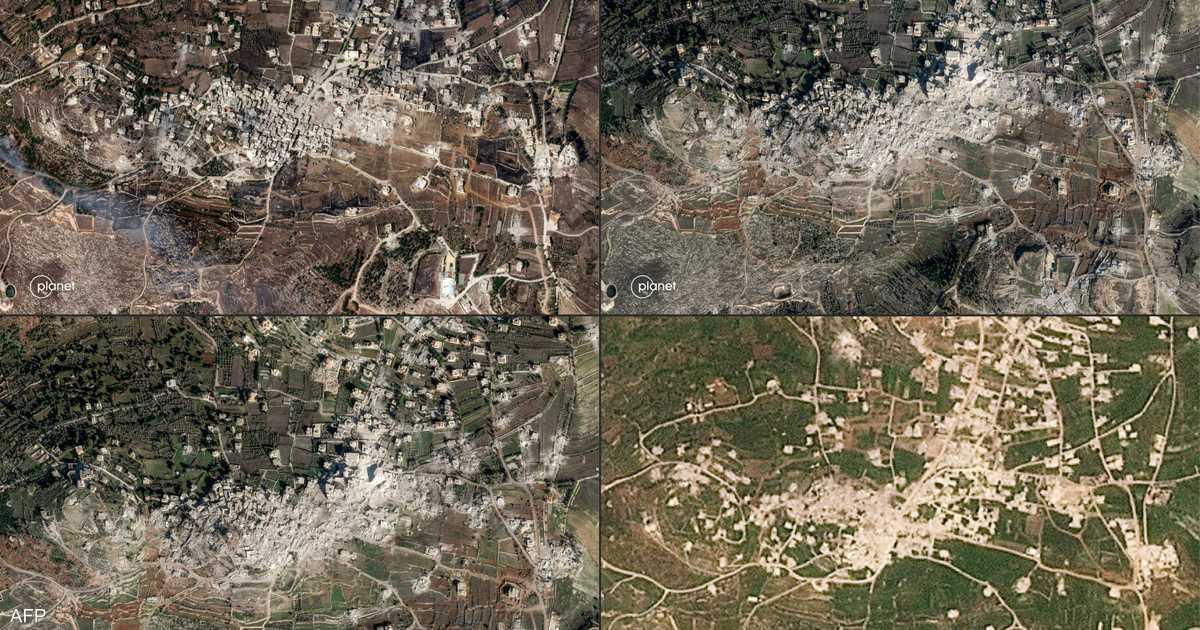
The stakes of the diplomatic push are framed against a backdrop of continued violence and displacement, with Le Parisien reporting that Israeli strikes have killed 2,387 people and displaced about a million in the country since early March, according to an official toll updated on Monday.
Le Parisien also said the 10-day ceasefire was established after a meeting last week between the Lebanese and Israeli ambassadors to the United States, the first such meeting in decades, and it reported that Joseph Aoun said the aim was to deploy the Lebanese army up to the internationally recognized borders with Israel.
Okaz reported that Lebanese Prime Minister Nawaf Salam said Israel has carried out about 3,500 airstrikes on Lebanon and hundreds of explosions since the United States announced a ceasefire on April 16, and it quoted Salam saying "Israel conducted 3,491 airstrikes, 407 demolitions, and 6 land leveling operations" from April 17 to June 7.
Okaz added that the U.S.-brokered ceasefire came into effect after midnight on April 17 while Israeli forces still occupy vast areas in southern Lebanon, and it said more than one million people, equivalent to one-fifth of Lebanon's population, have been displaced due to Israeli airstrikes and evacuation orders since March 2.
In the same reporting, Okaz said Aoun confirmed that negotiations are focused on reaching a non-aggression agreement with Israel and that he will not meet Netanyahu before reaching an agreement that ends the war, while saying peace is not on the table.